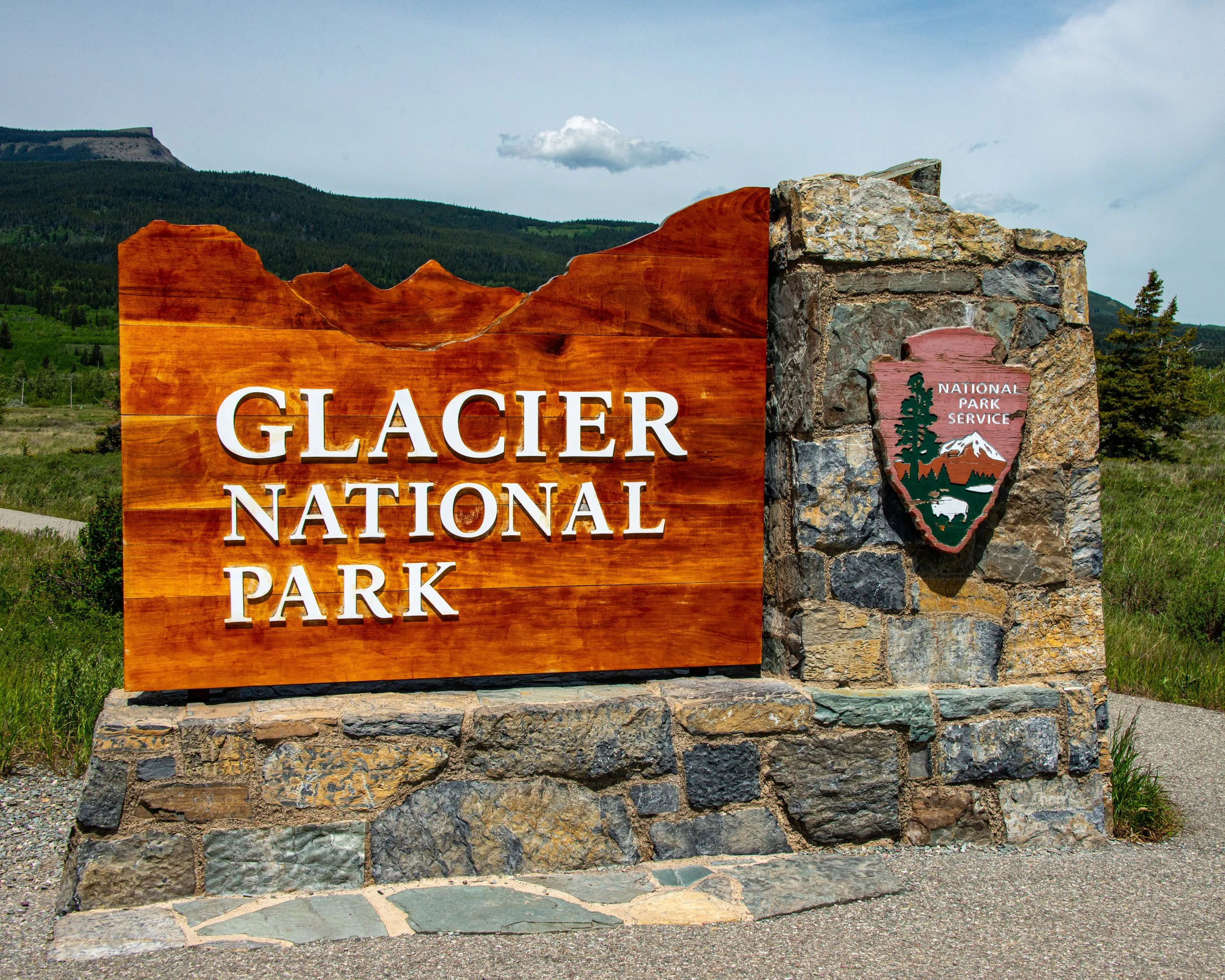
Glacier National Park
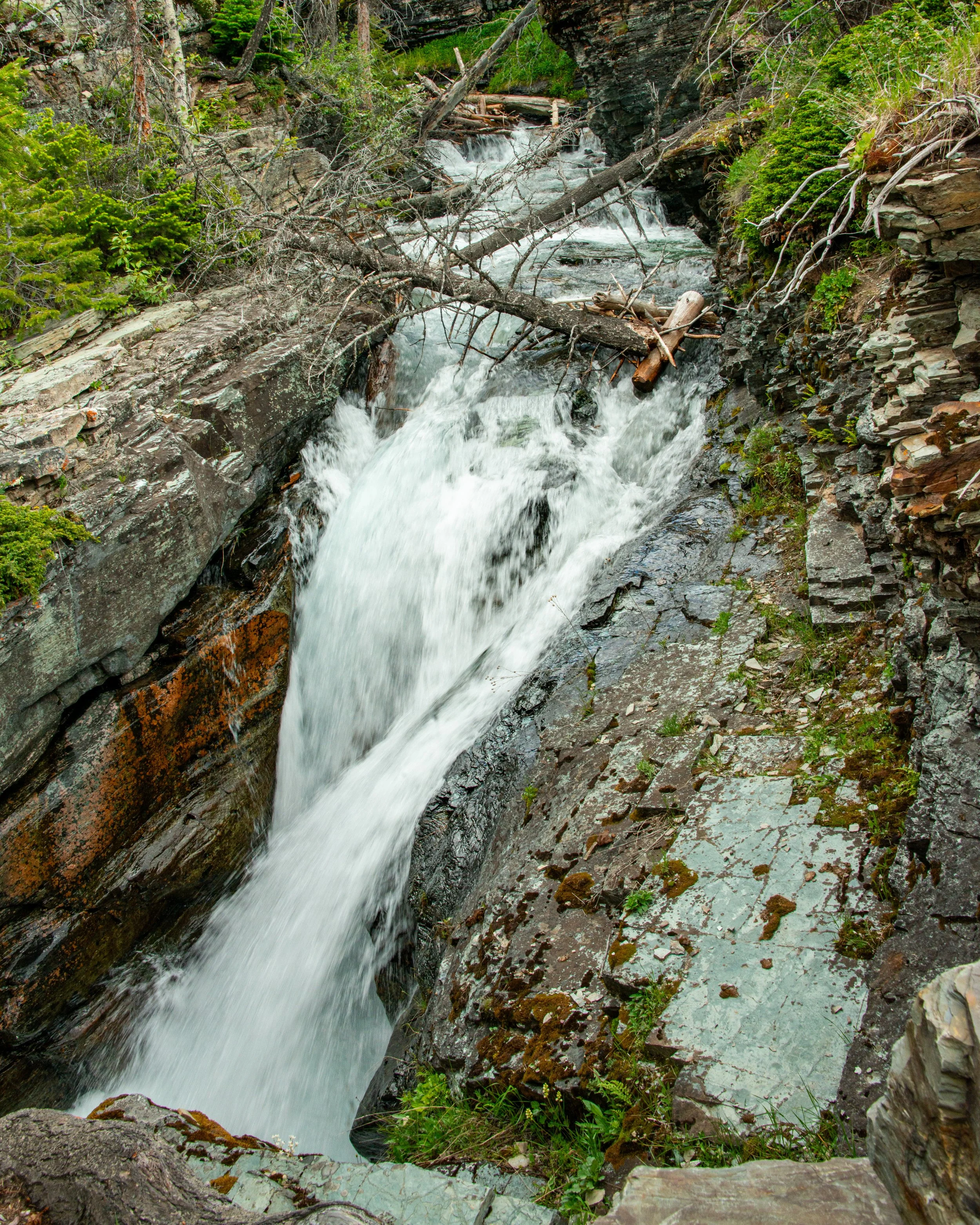
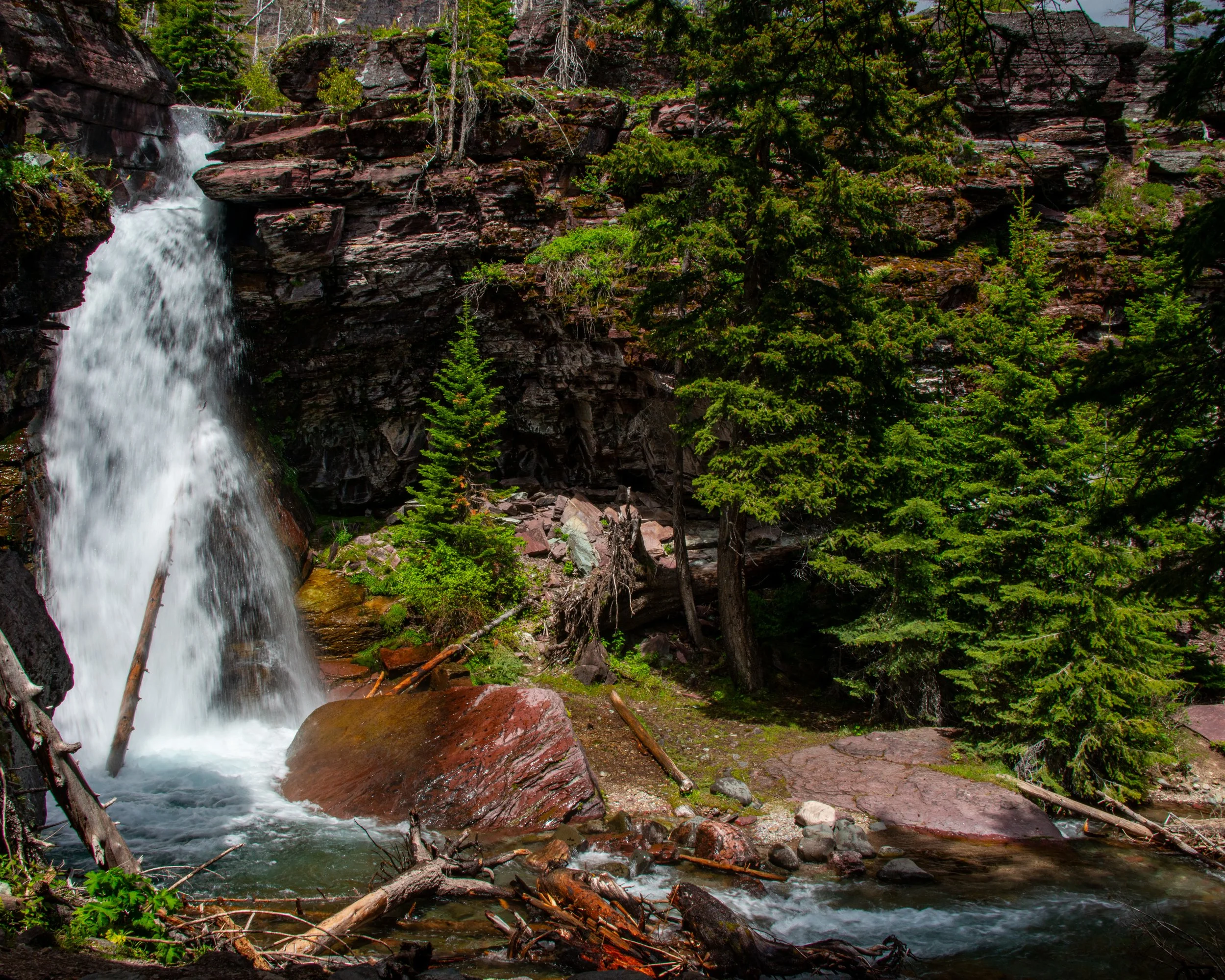
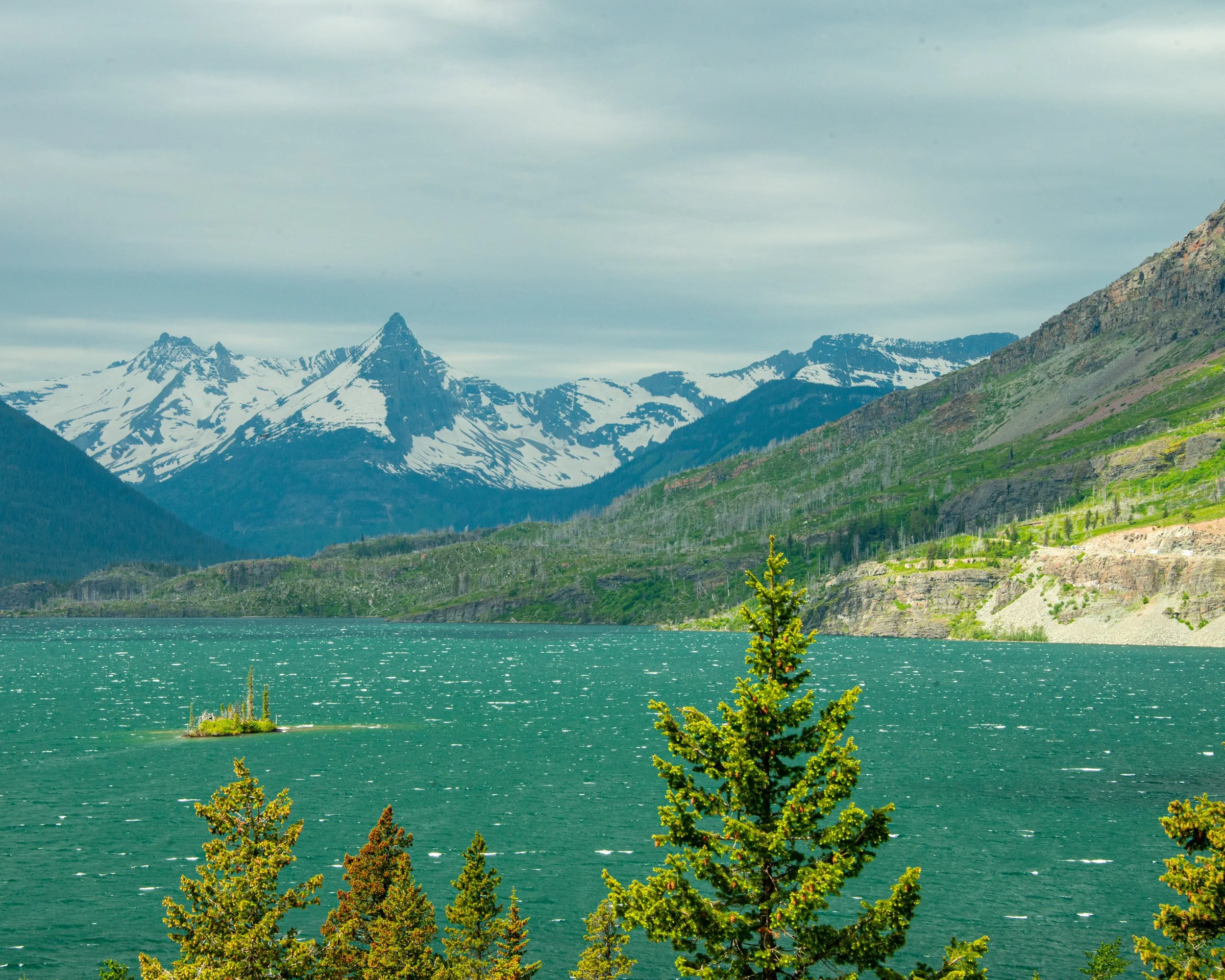
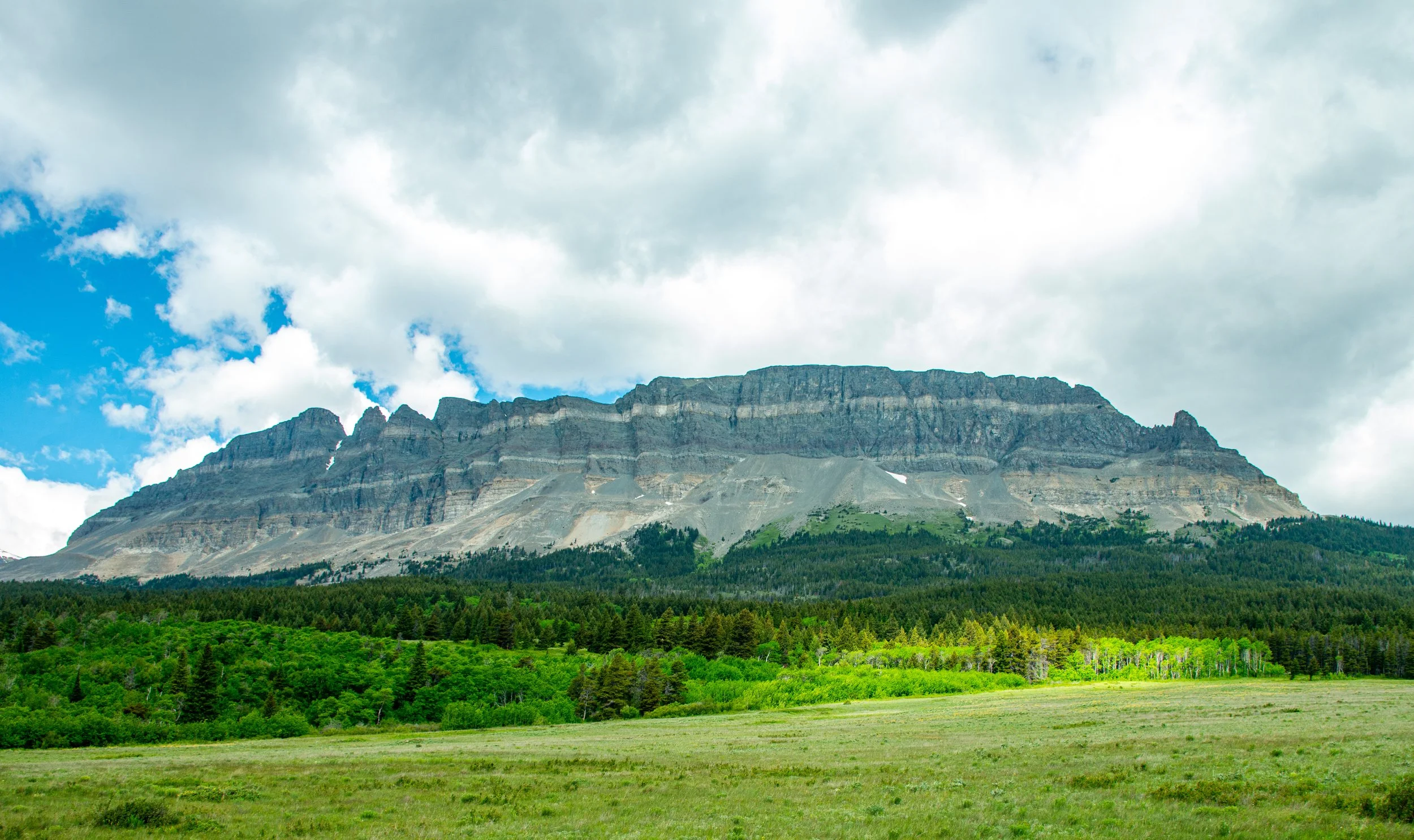
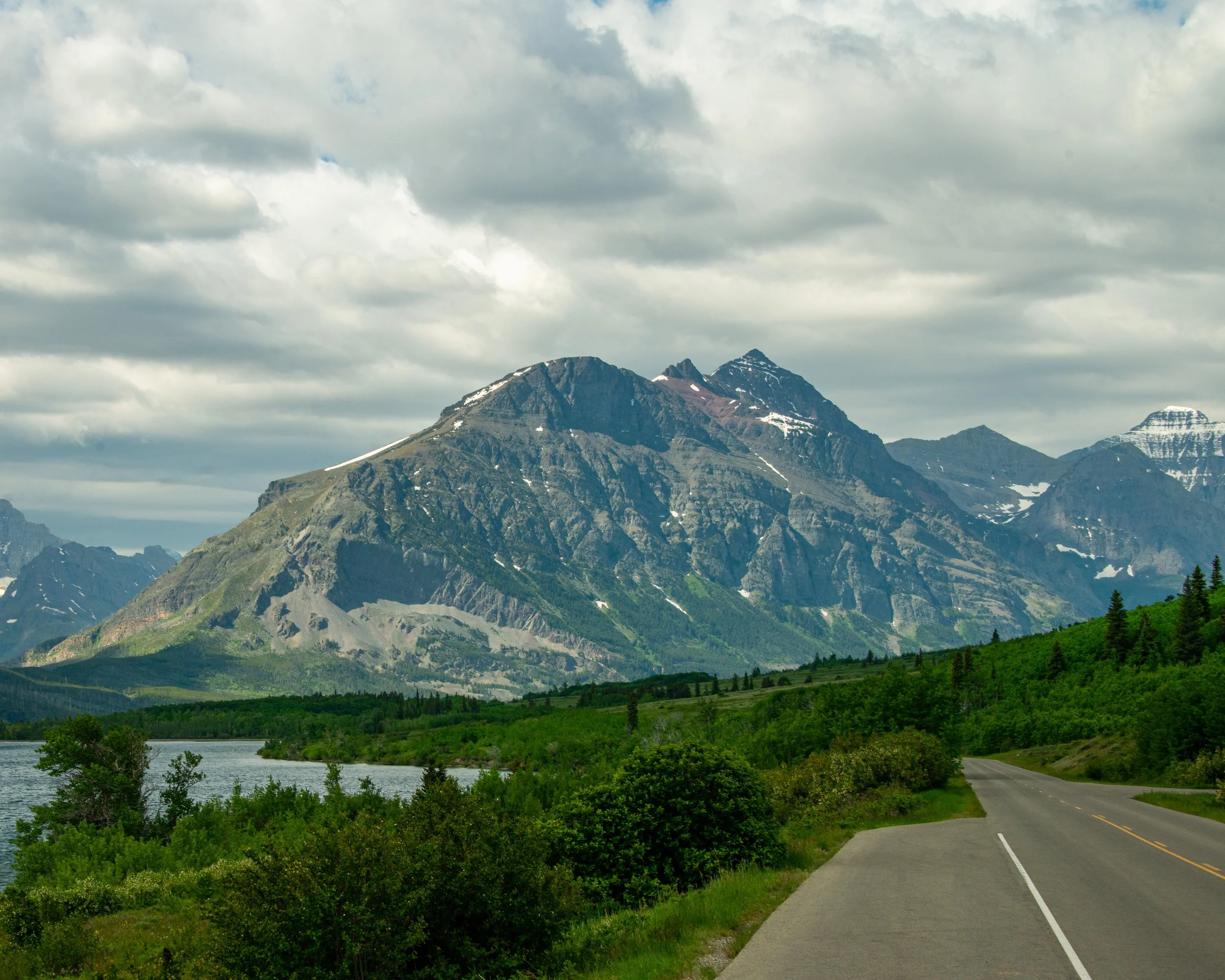
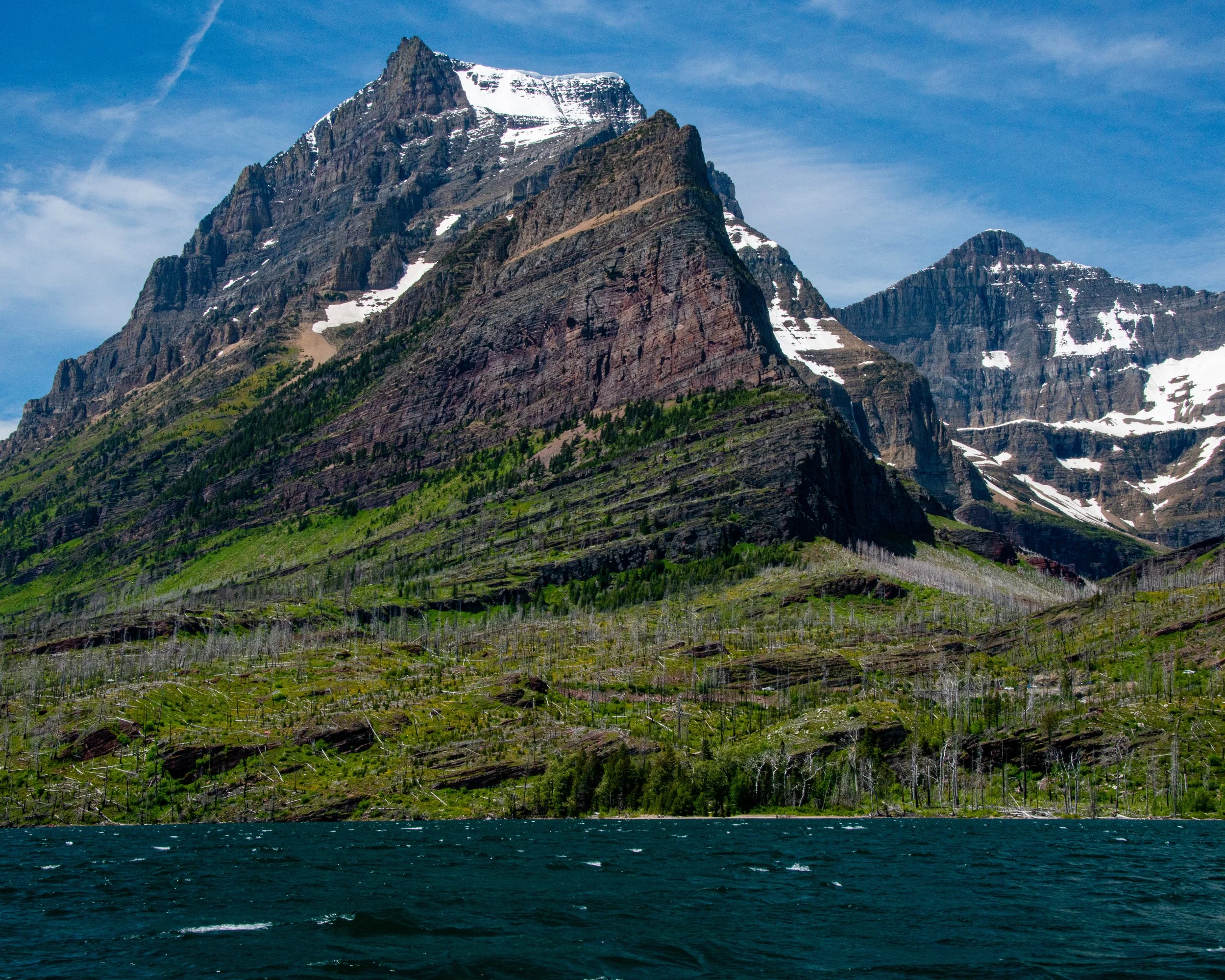
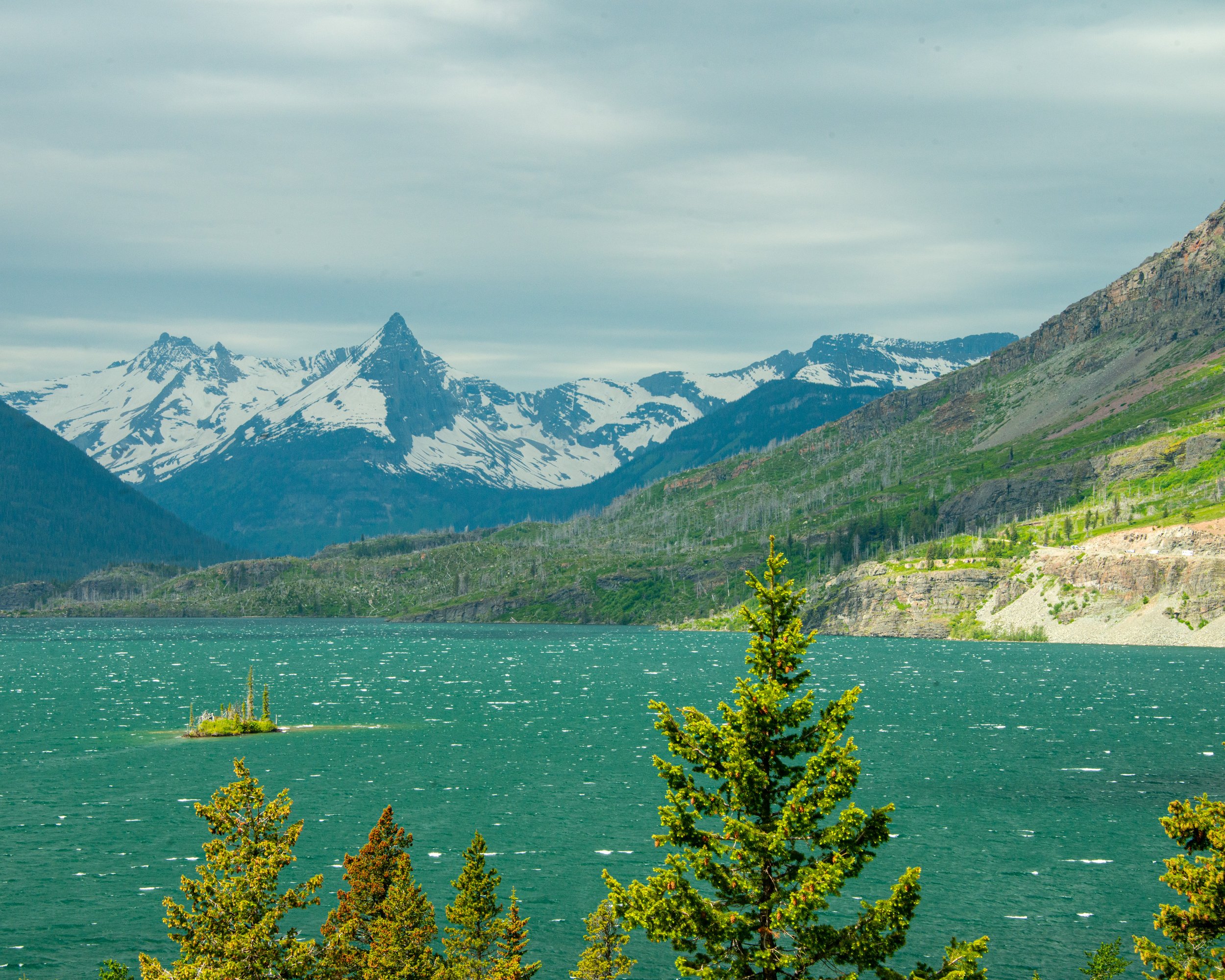
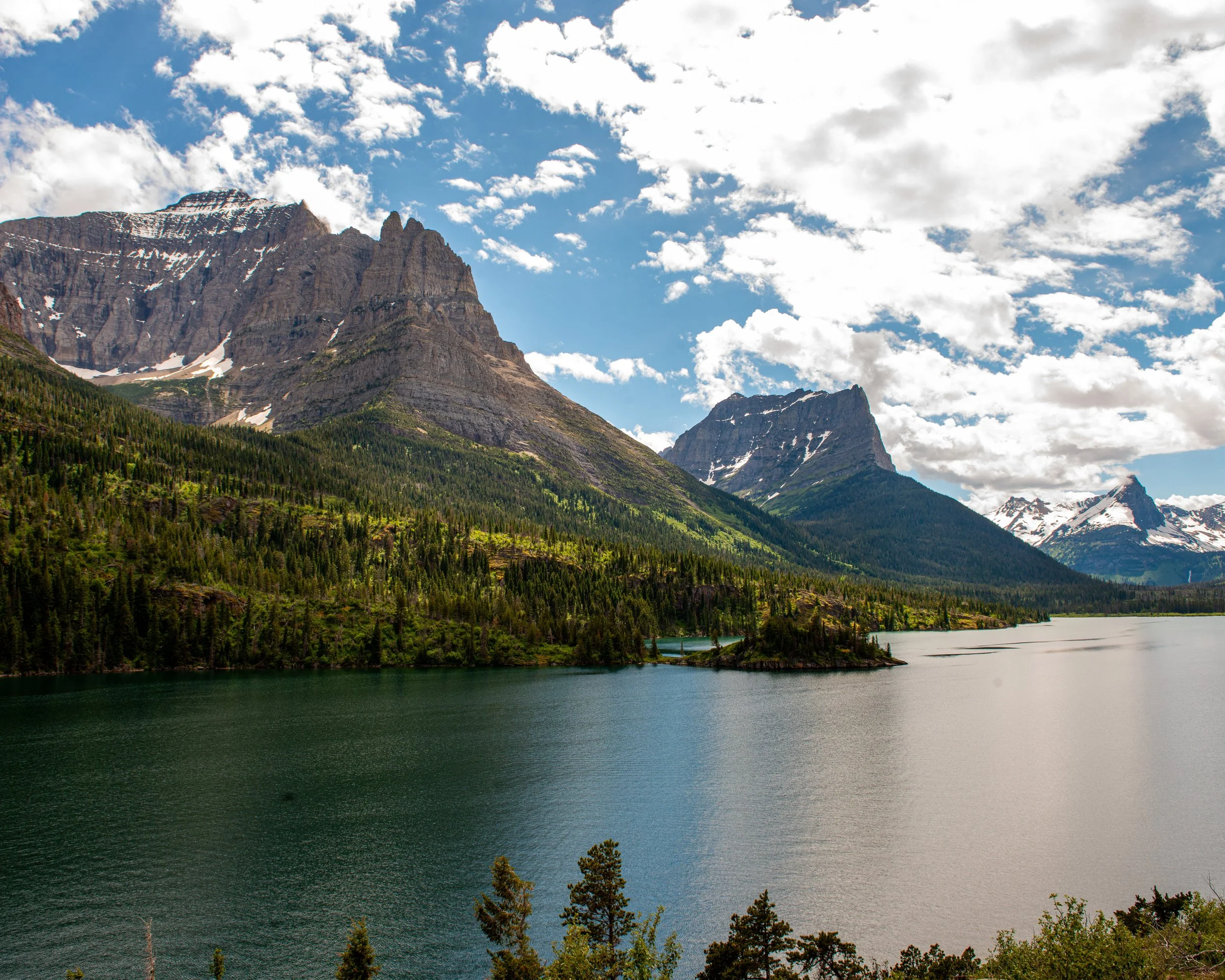
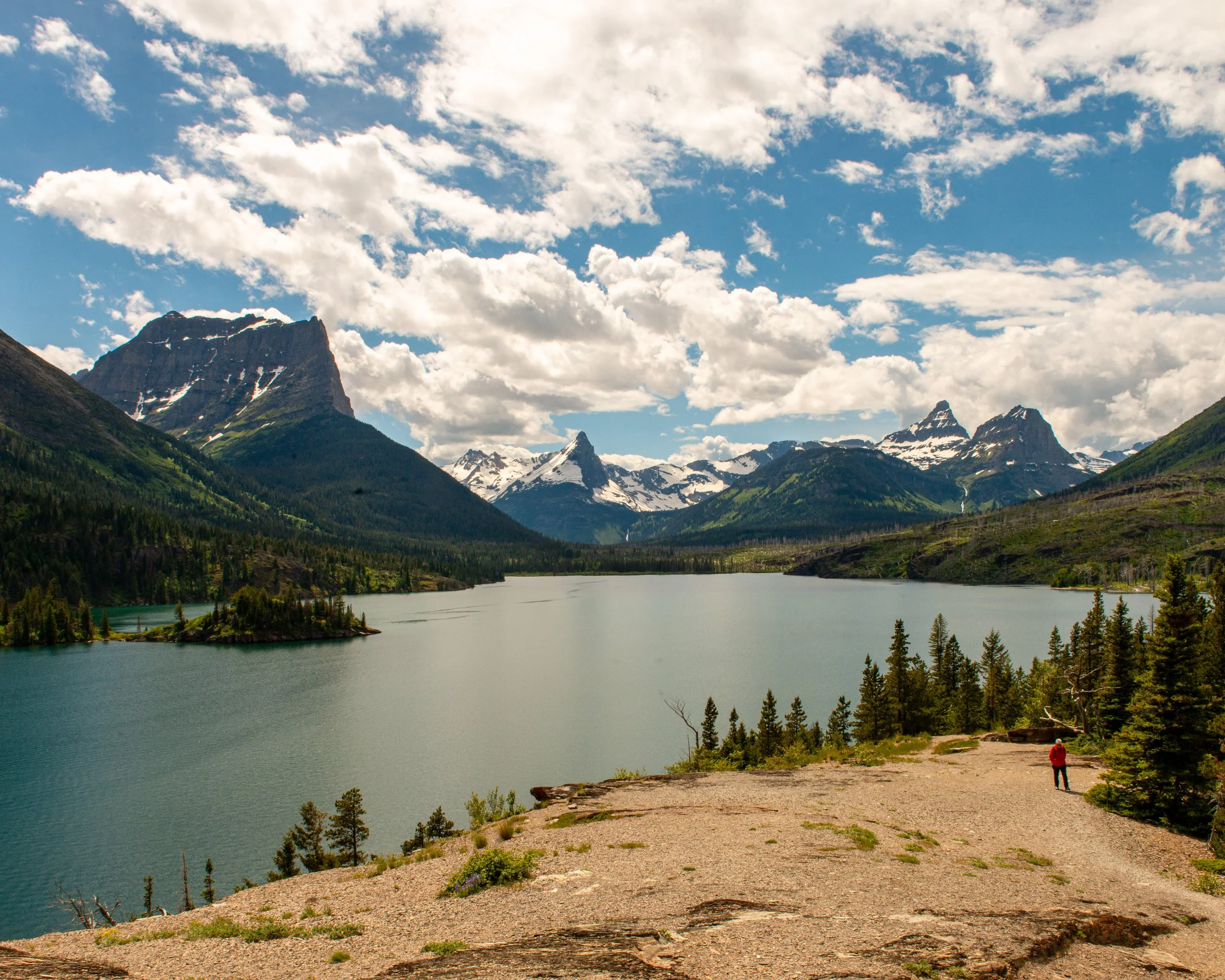
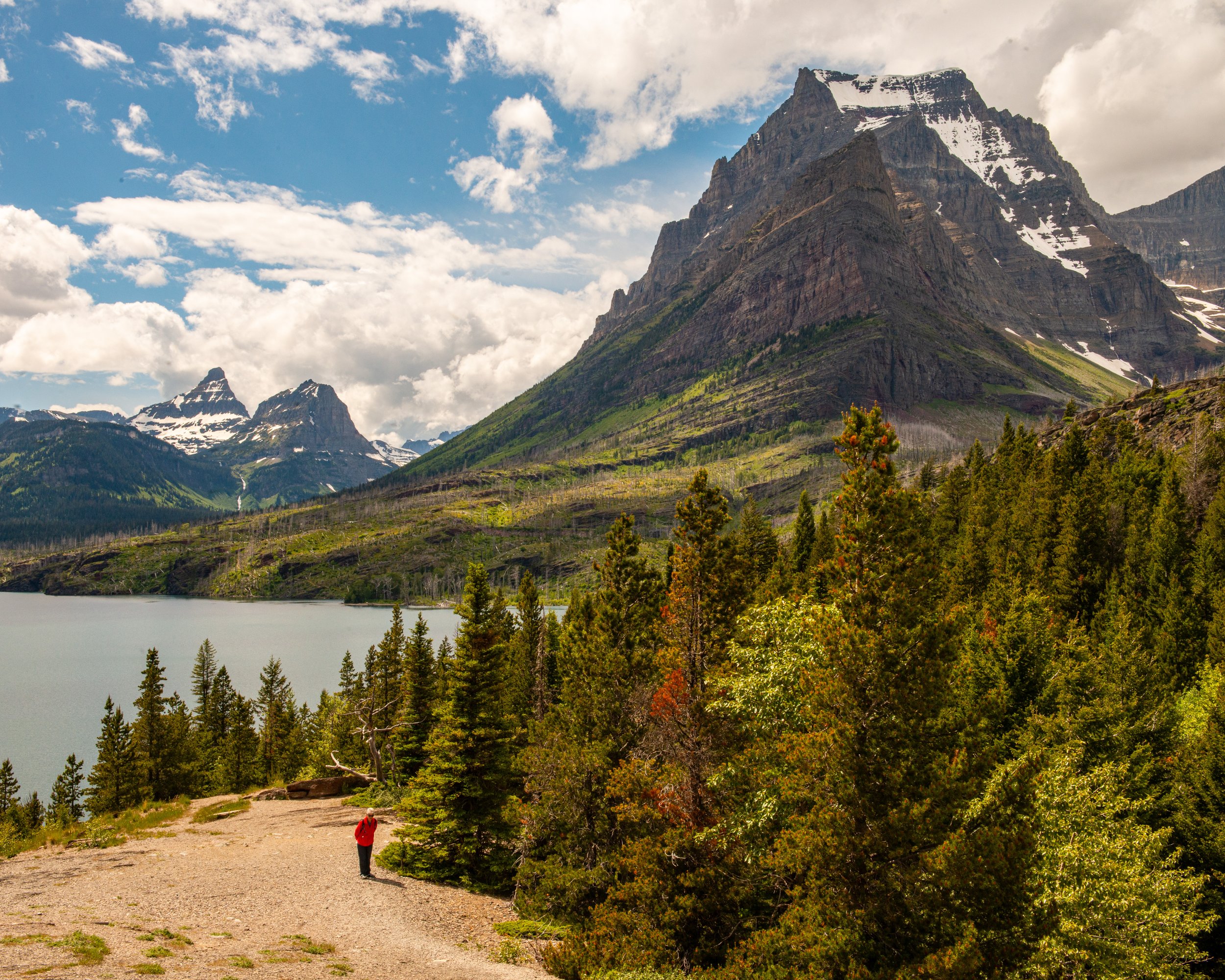
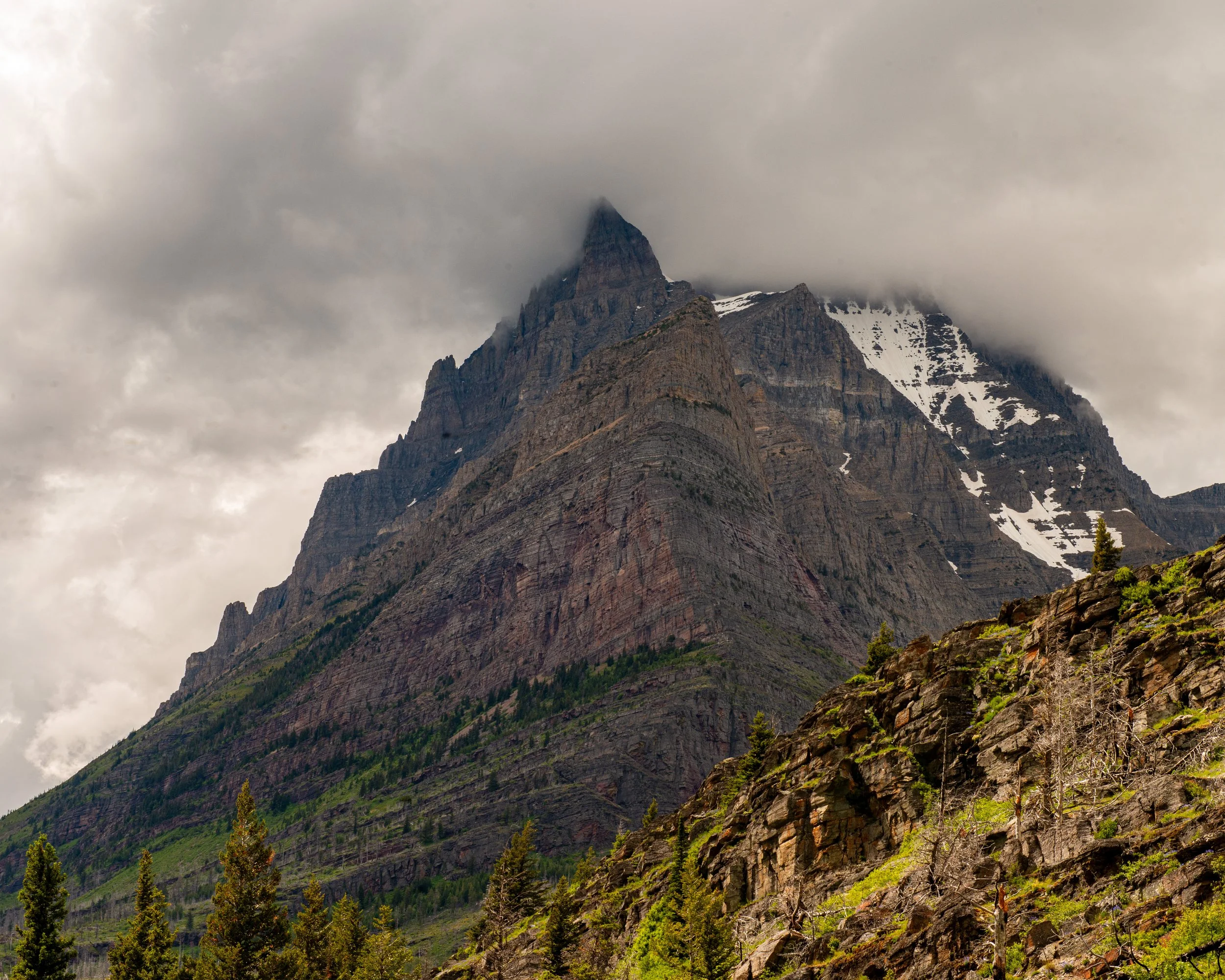
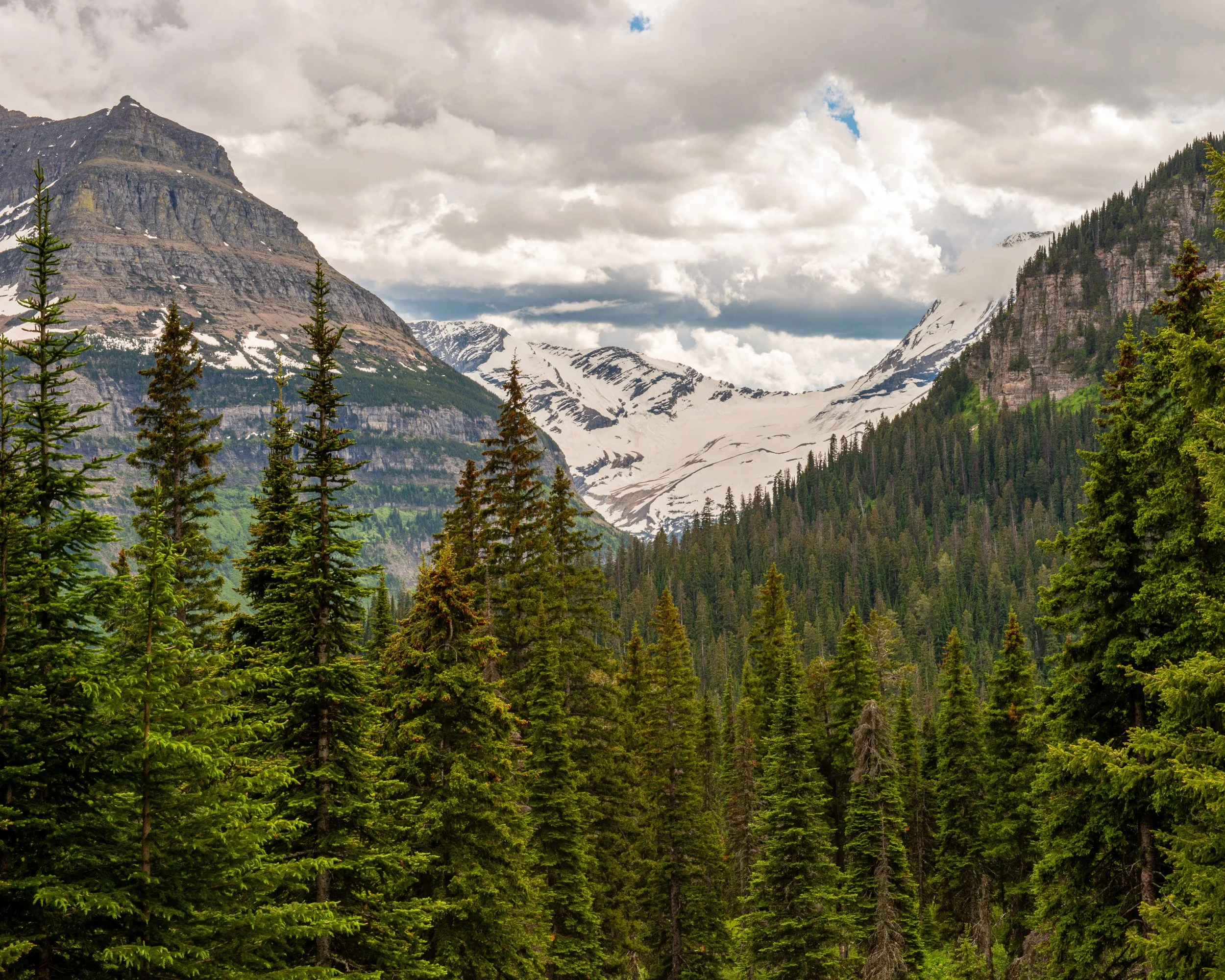
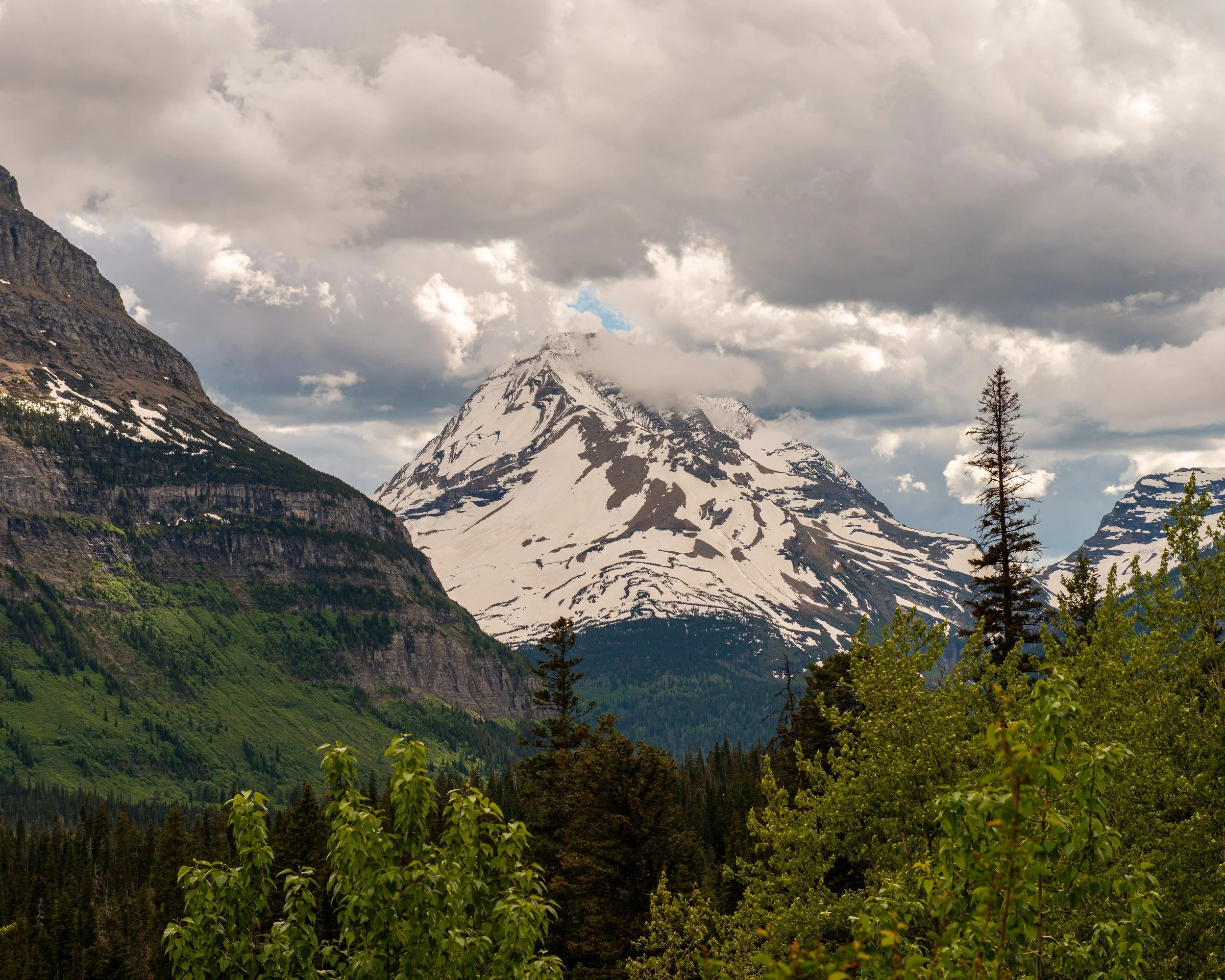
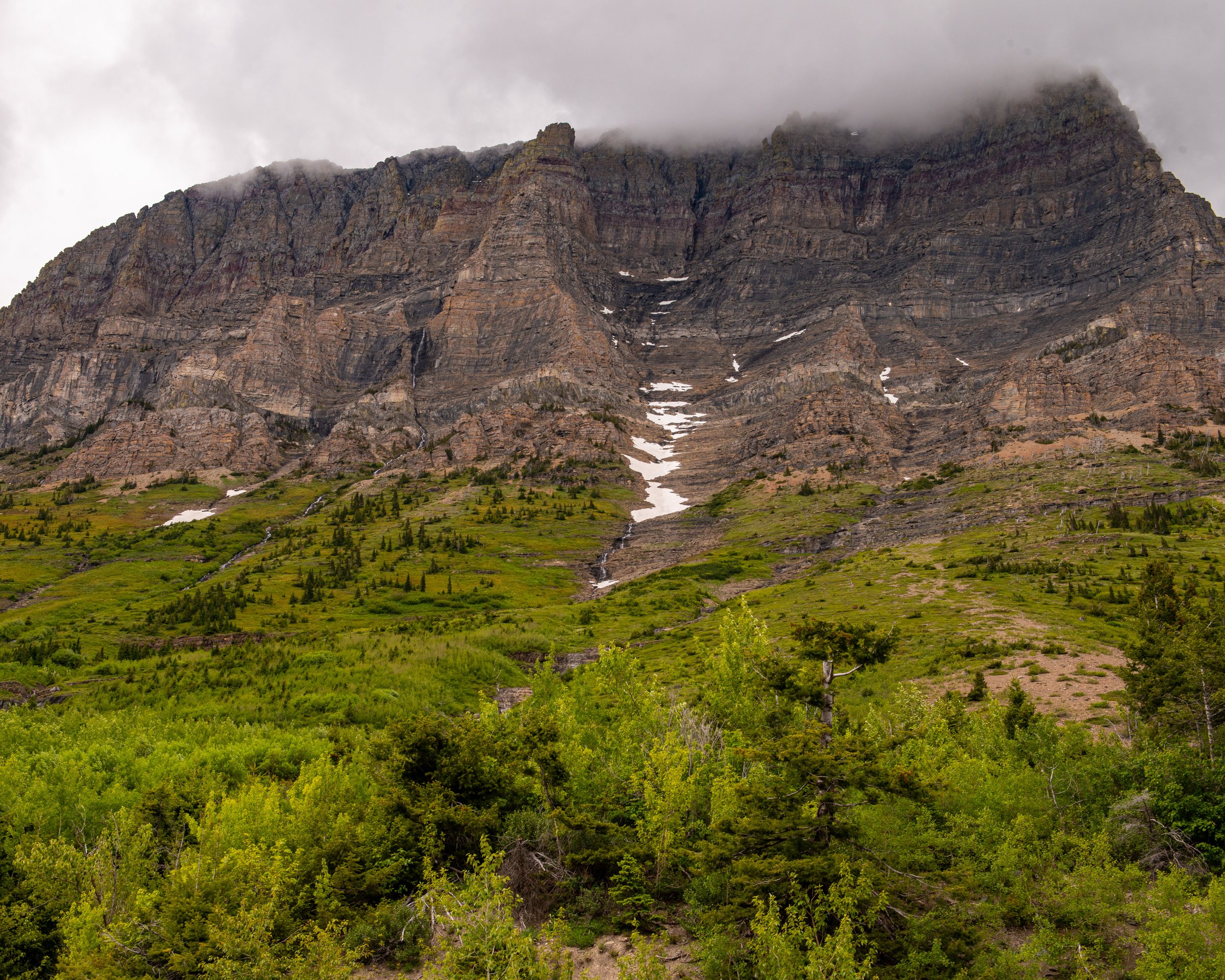
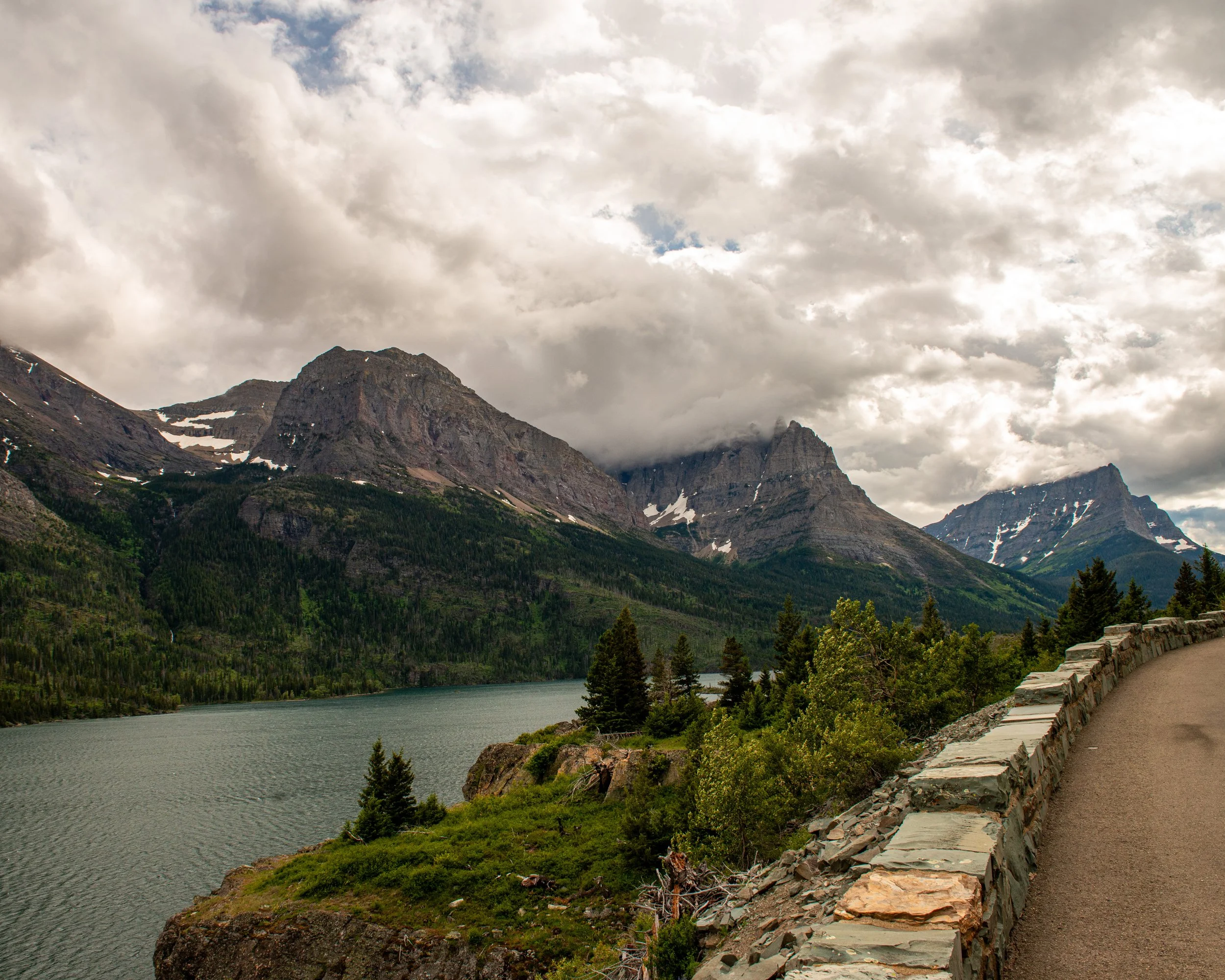
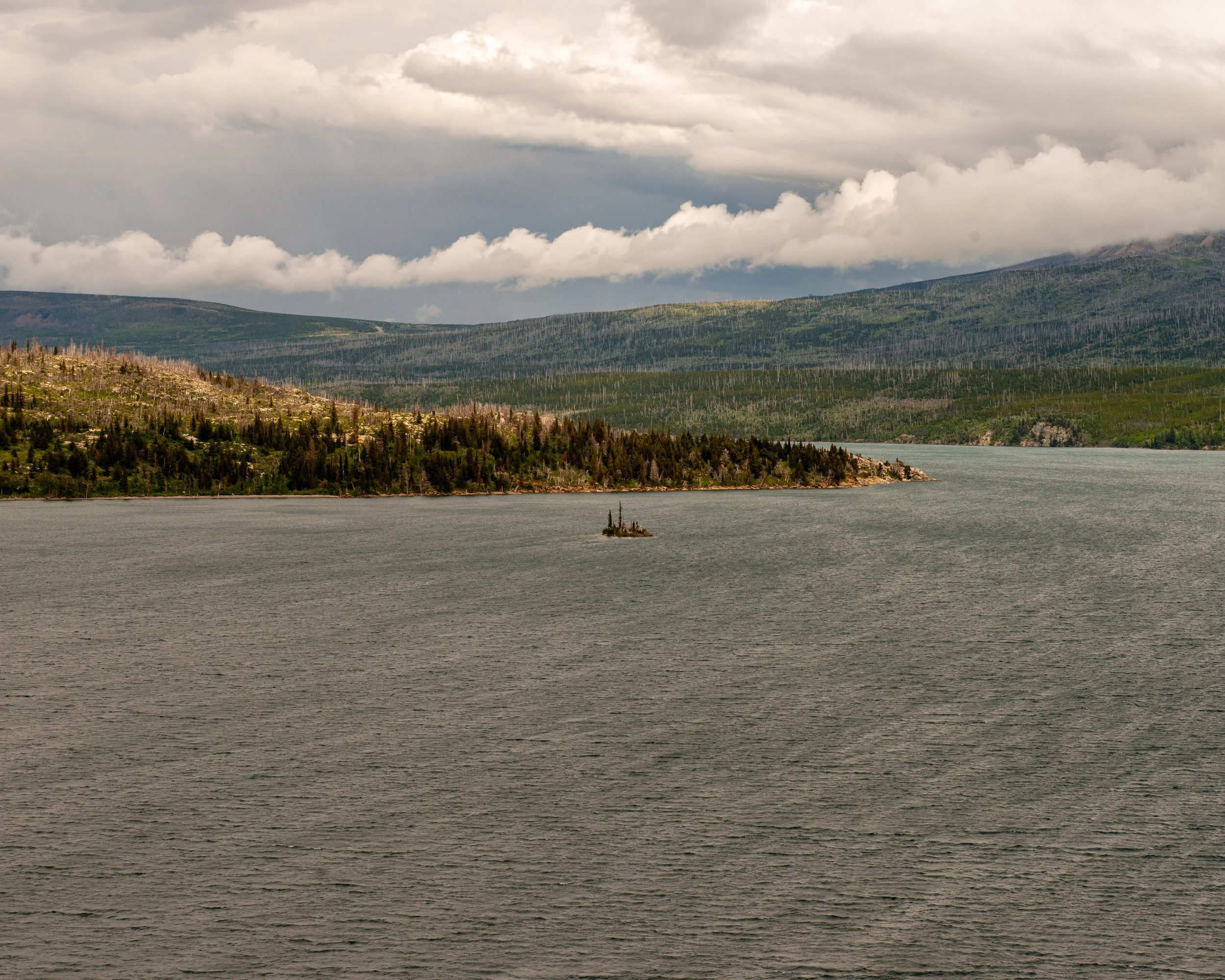
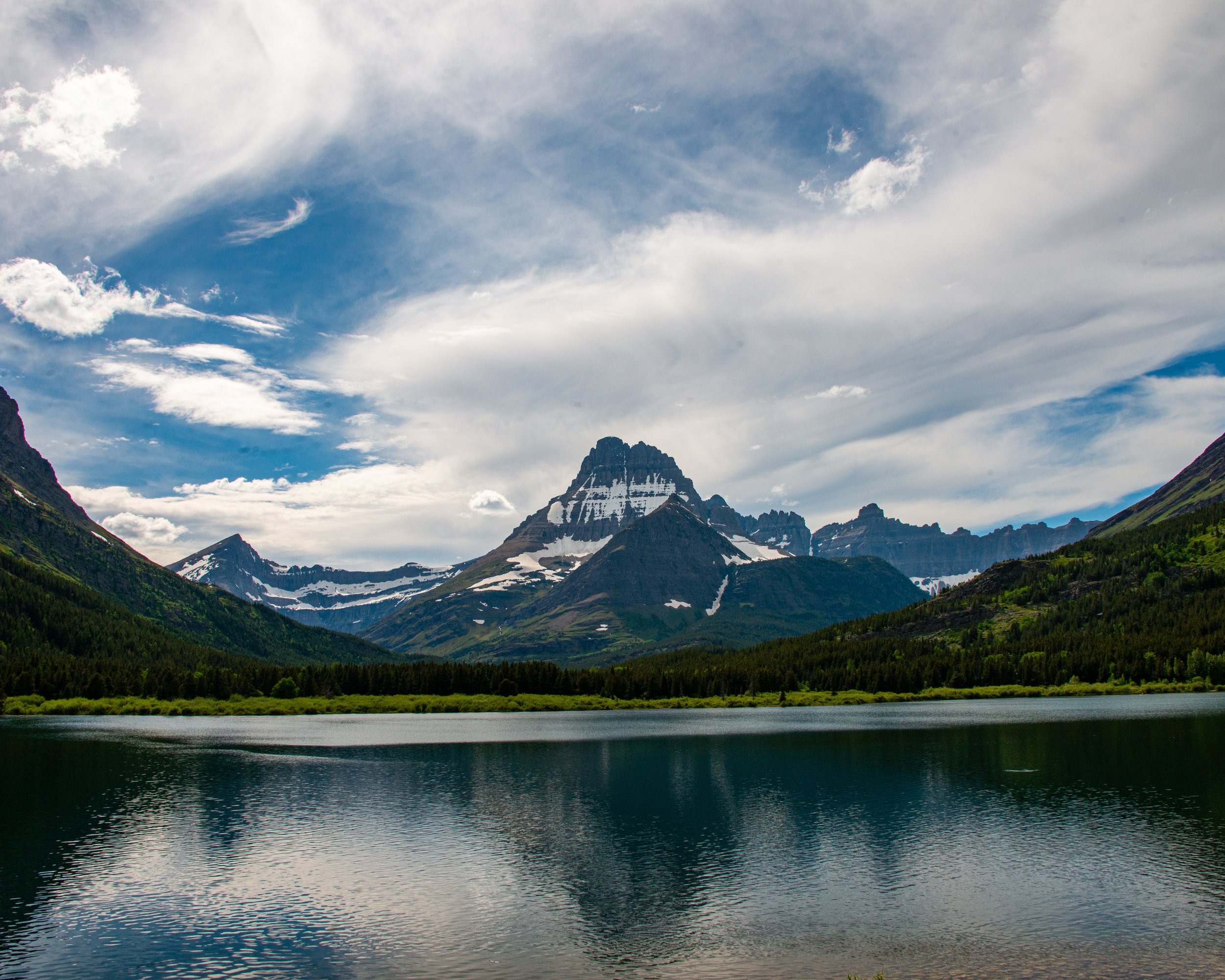
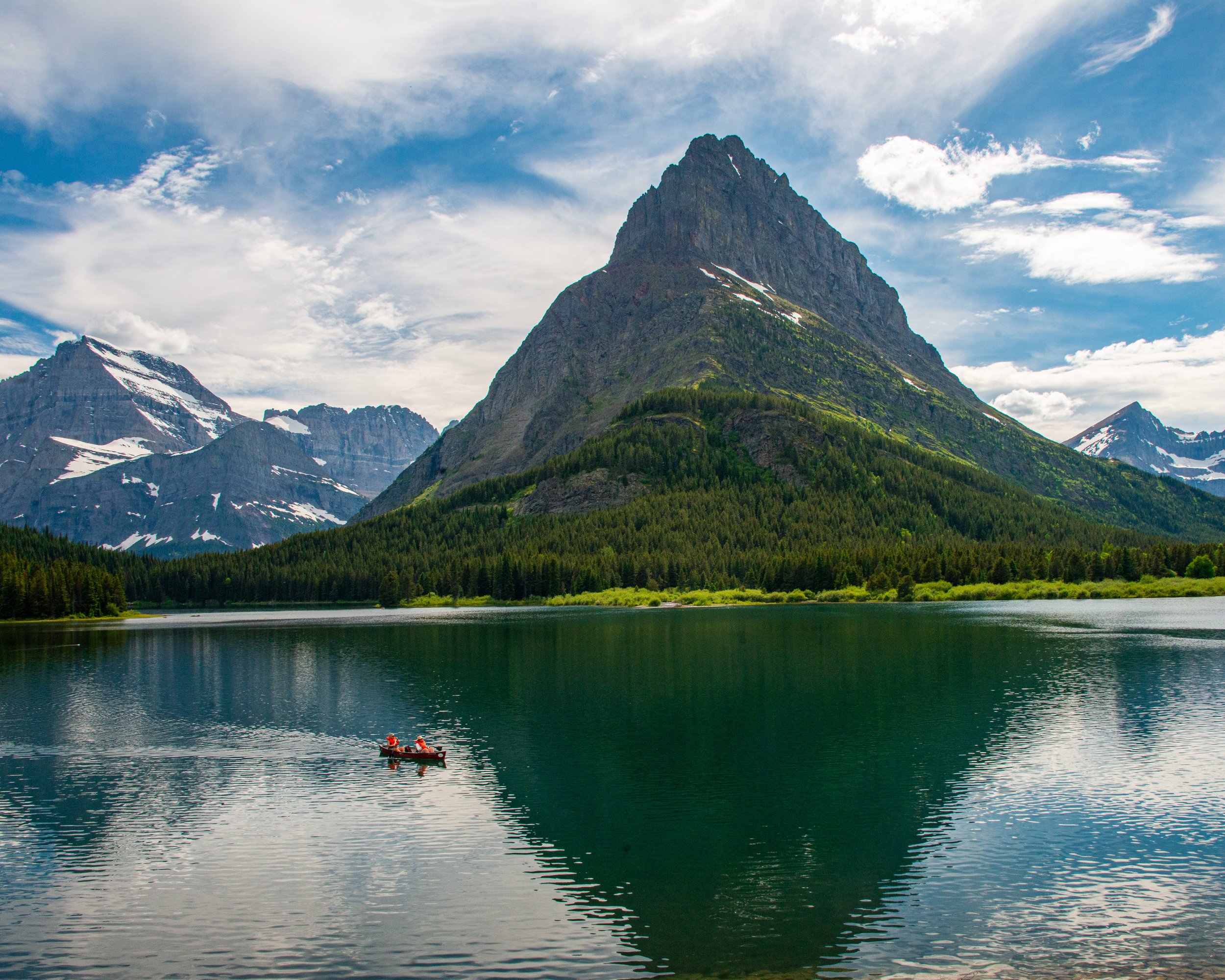
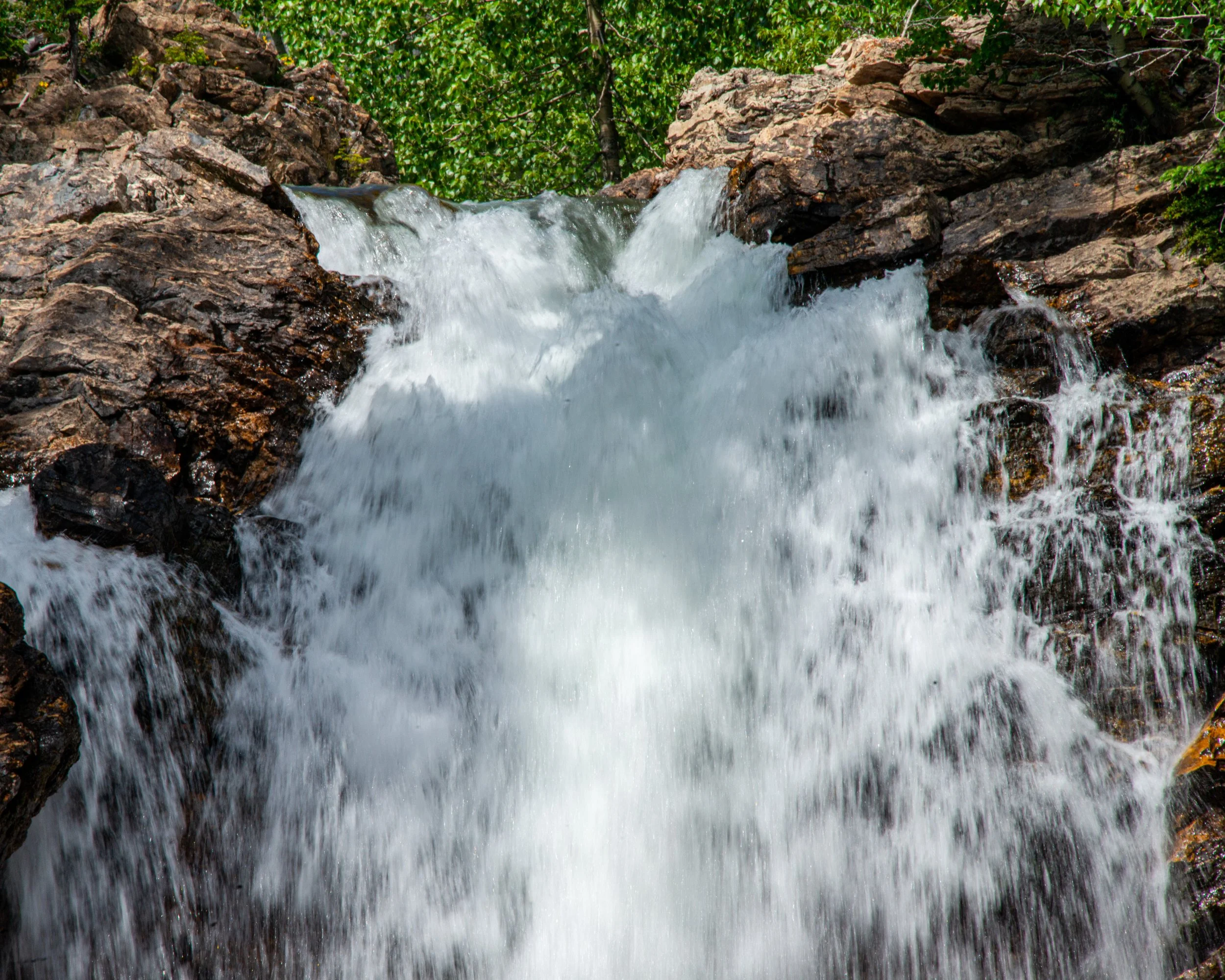
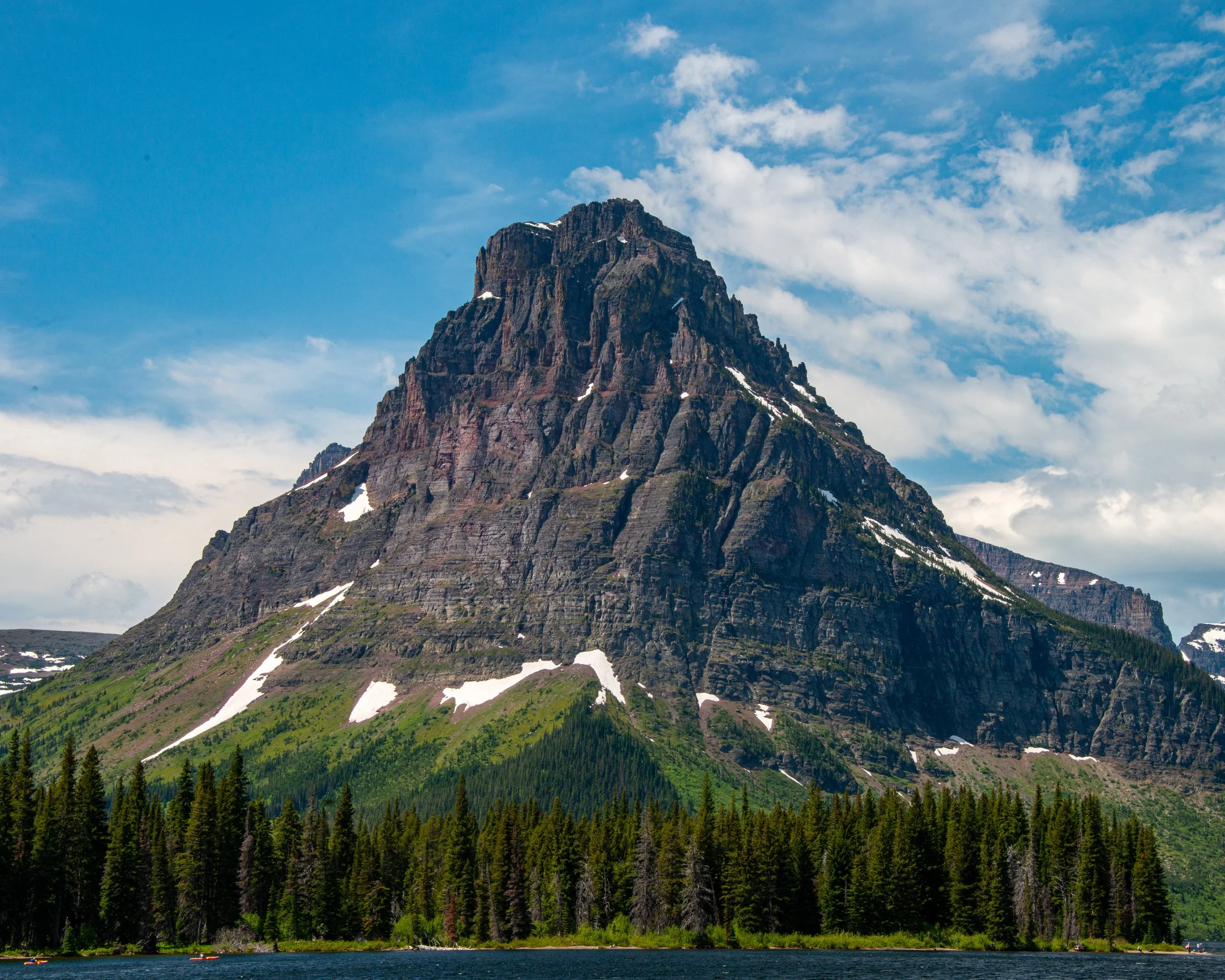
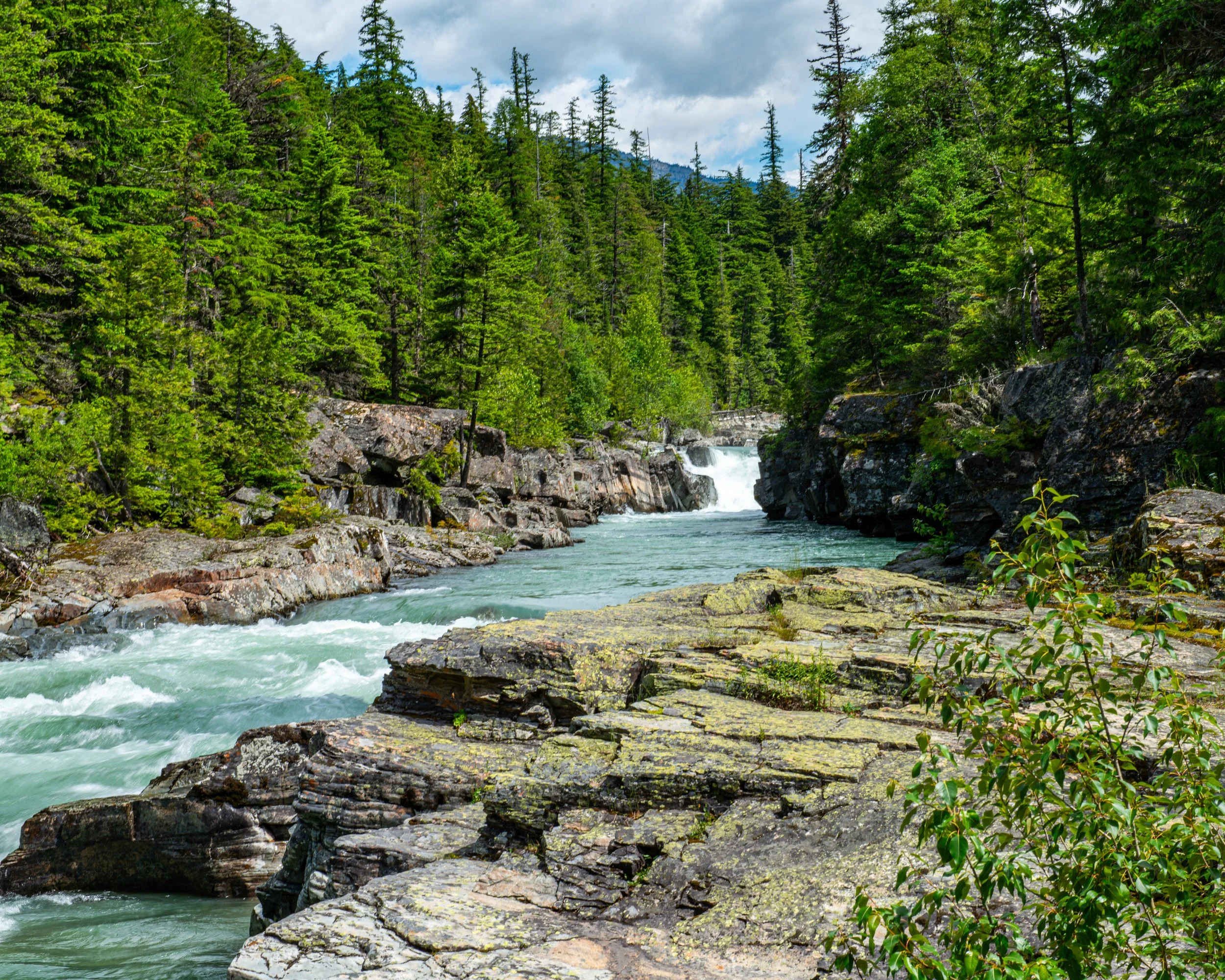
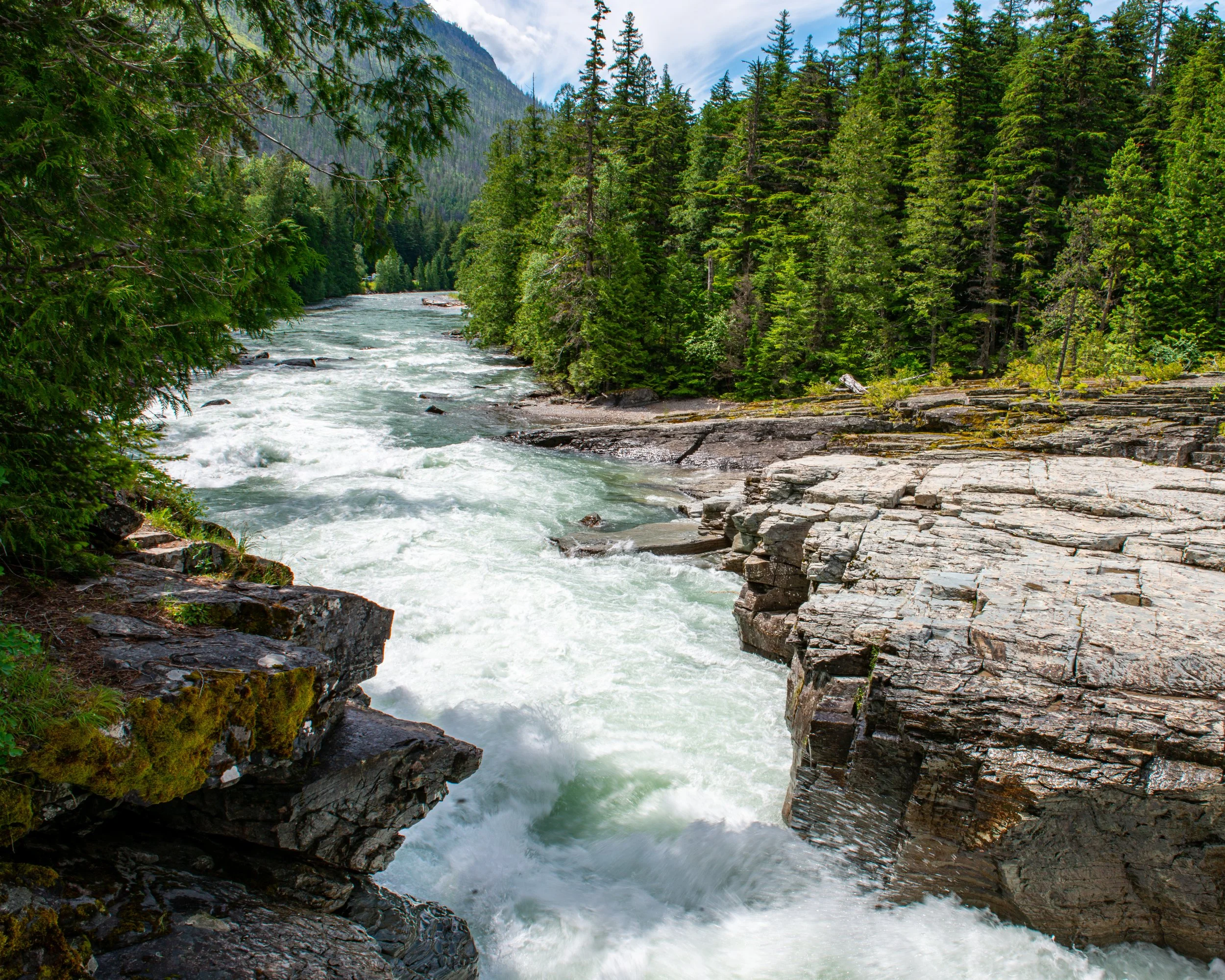
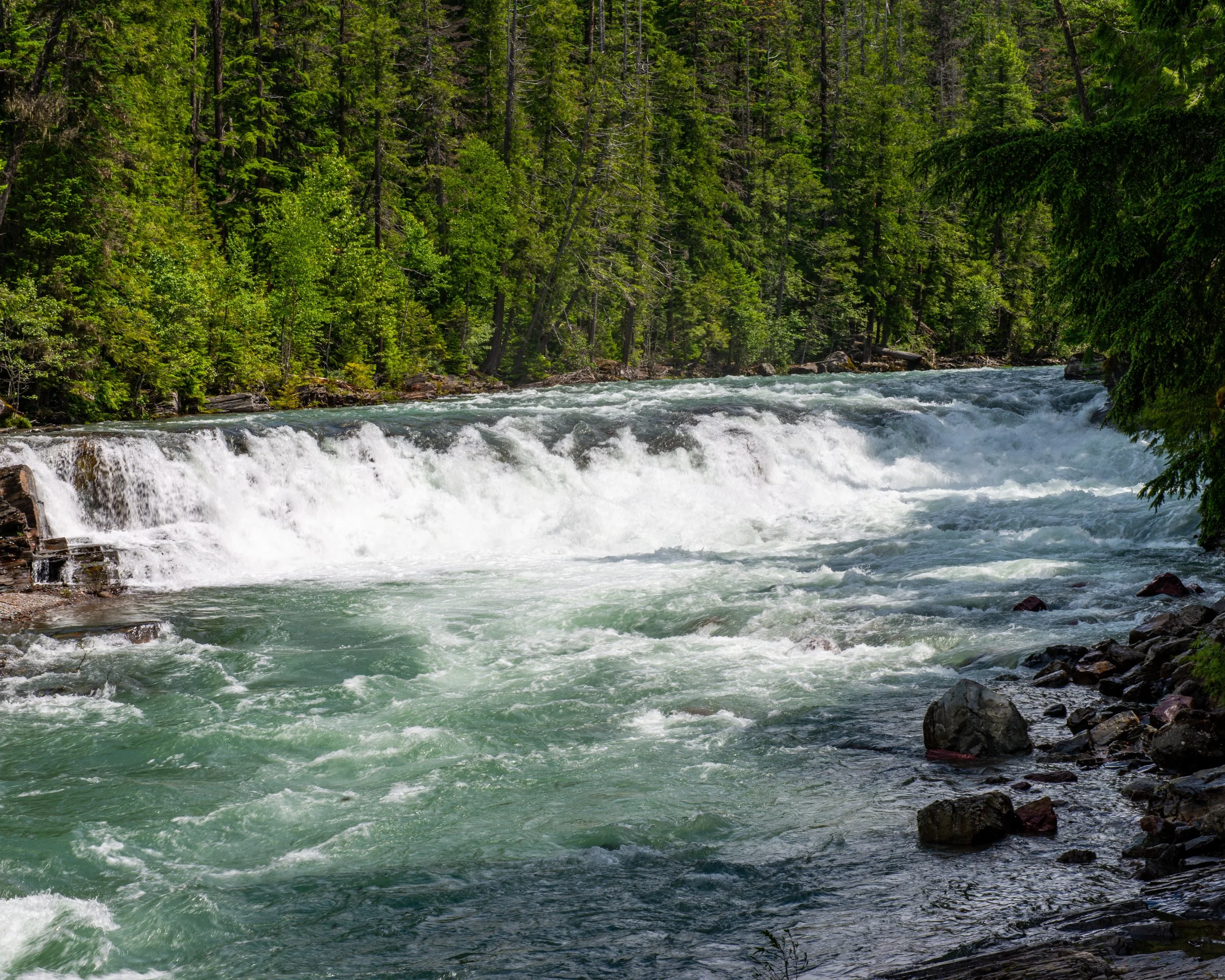
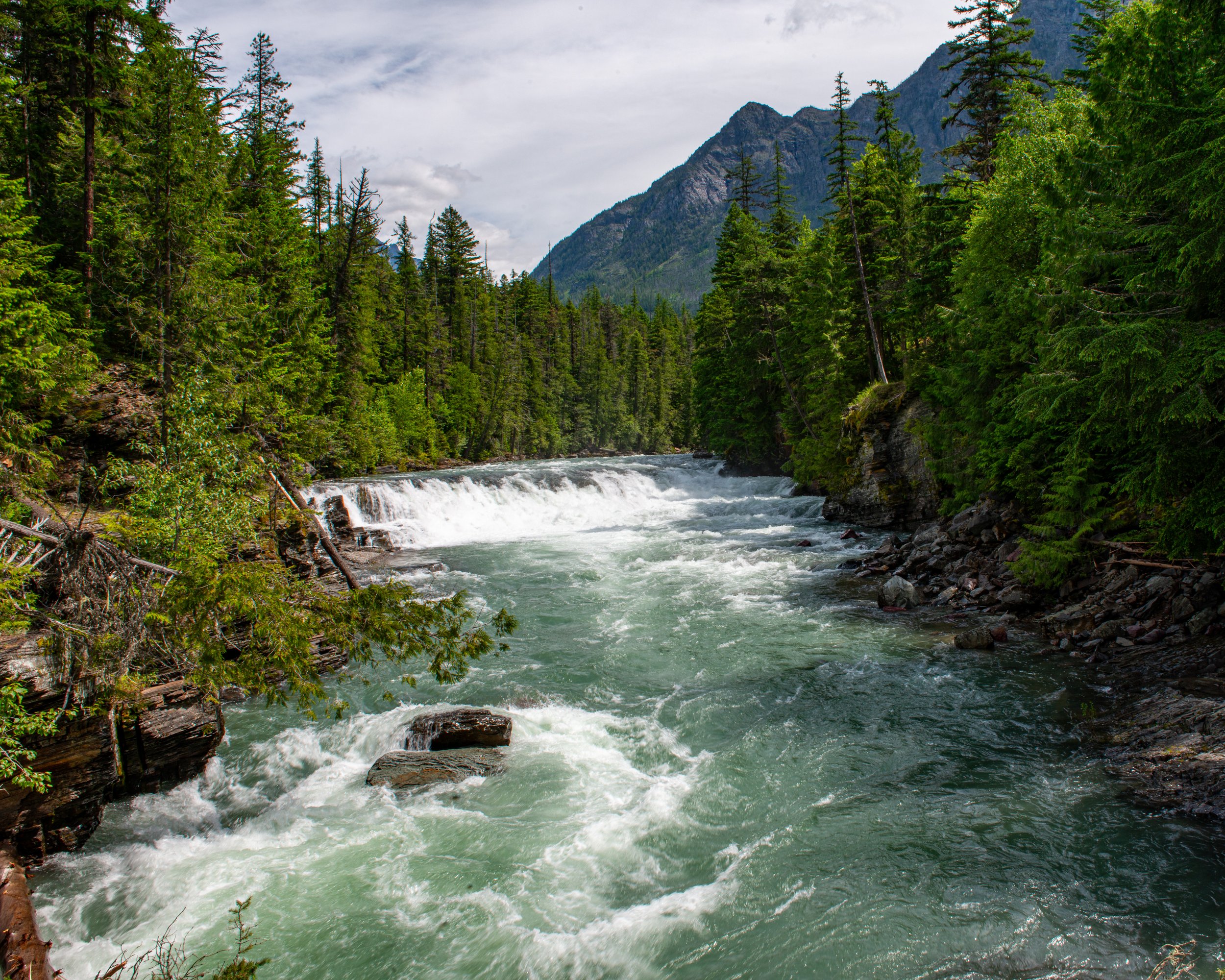
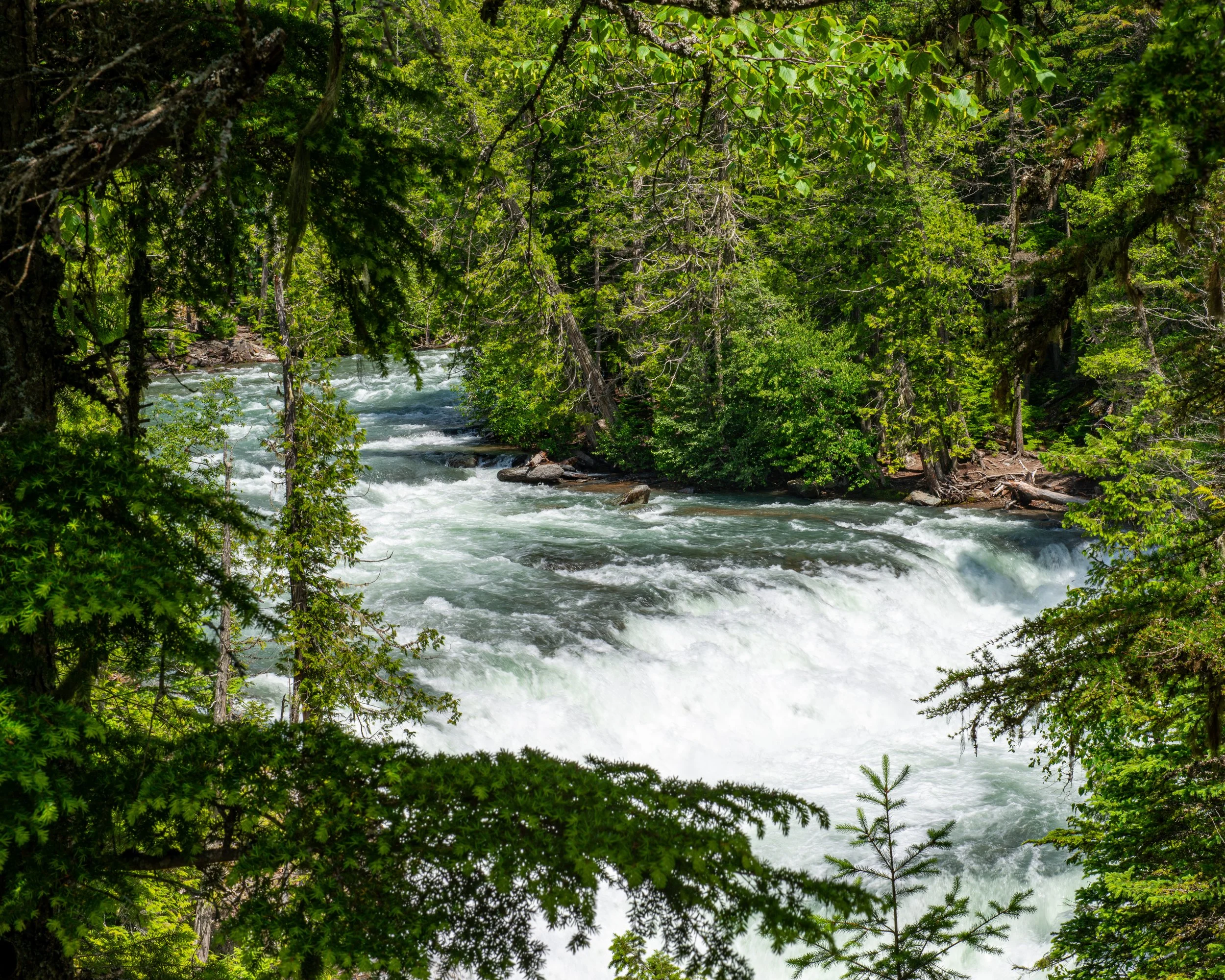
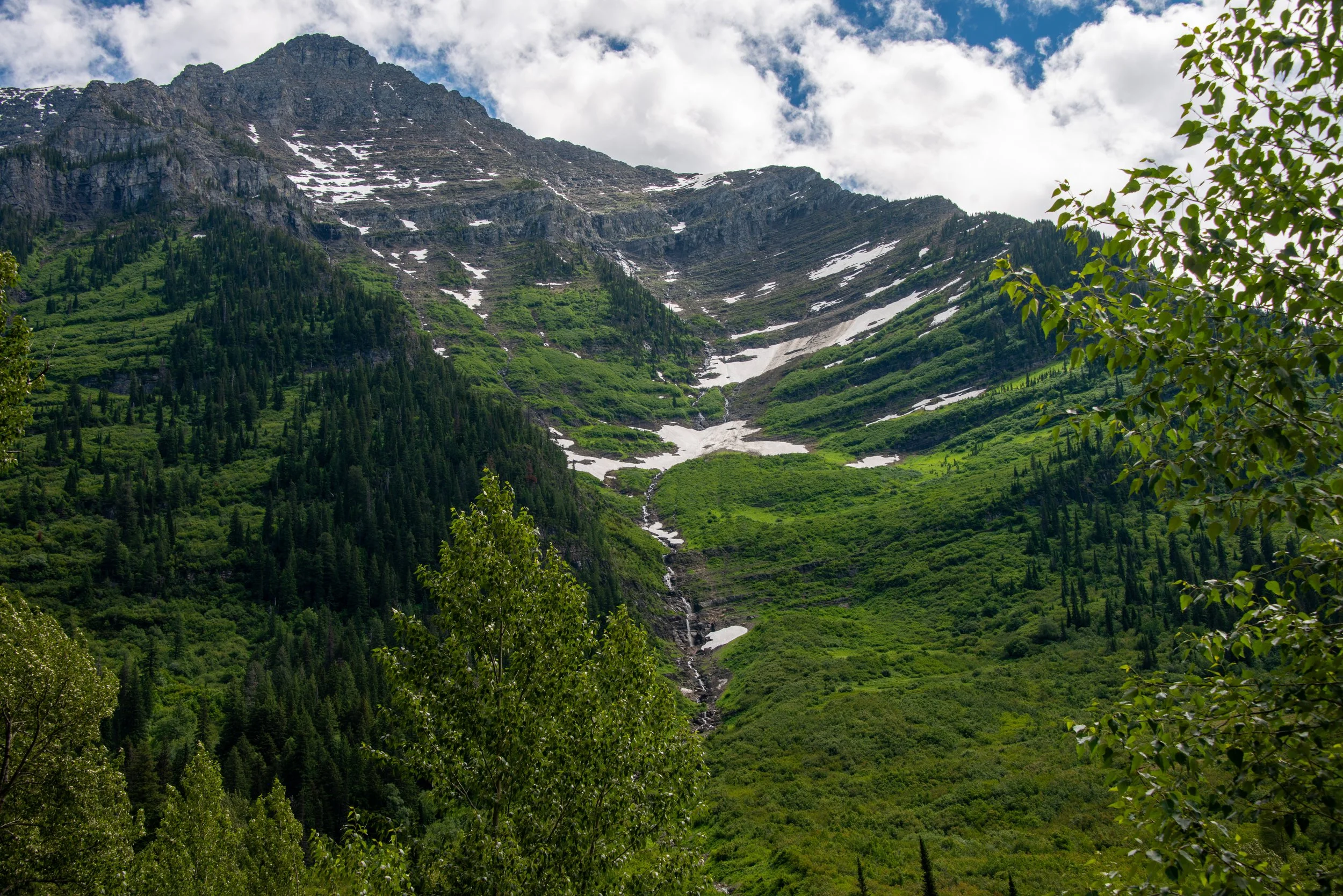
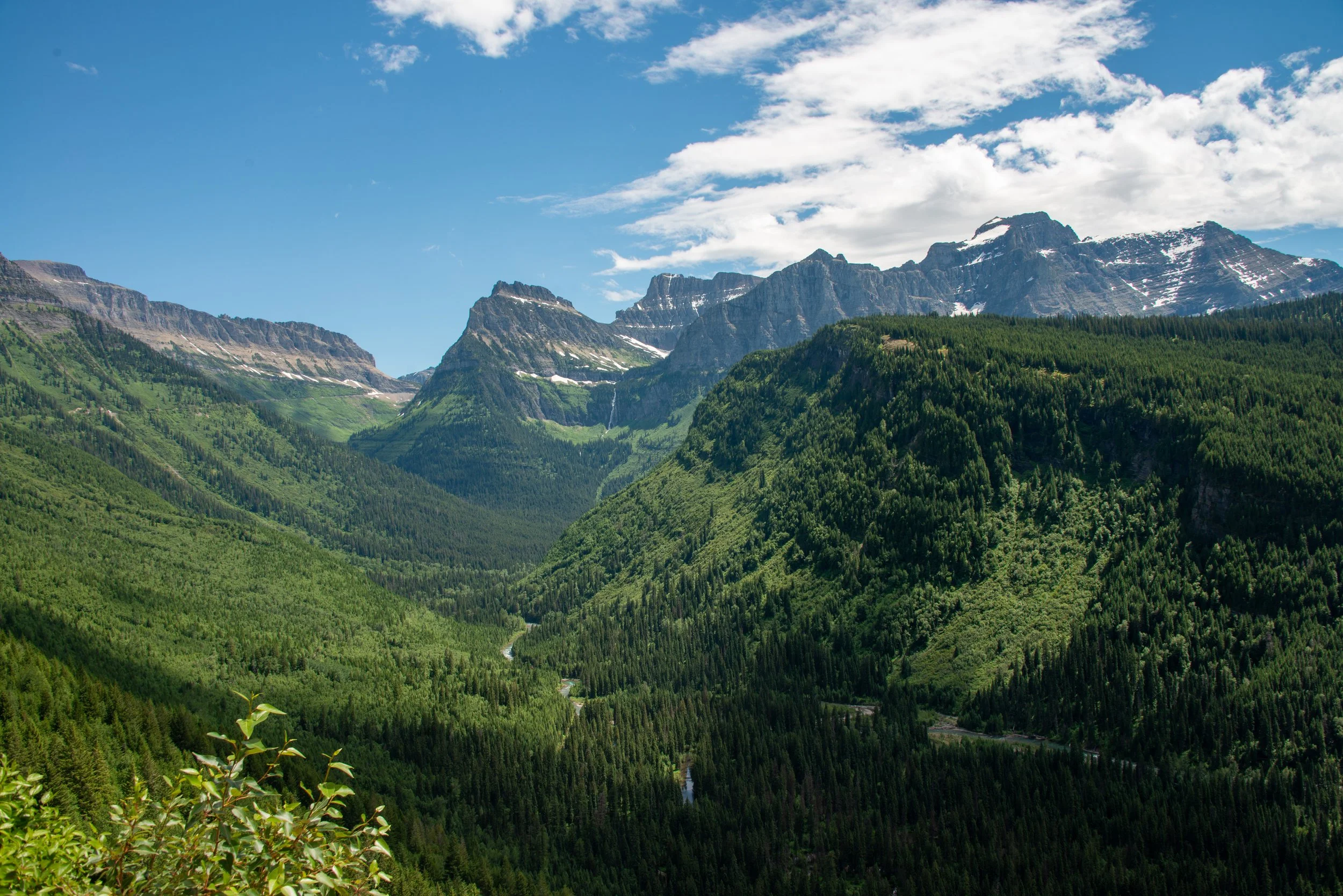
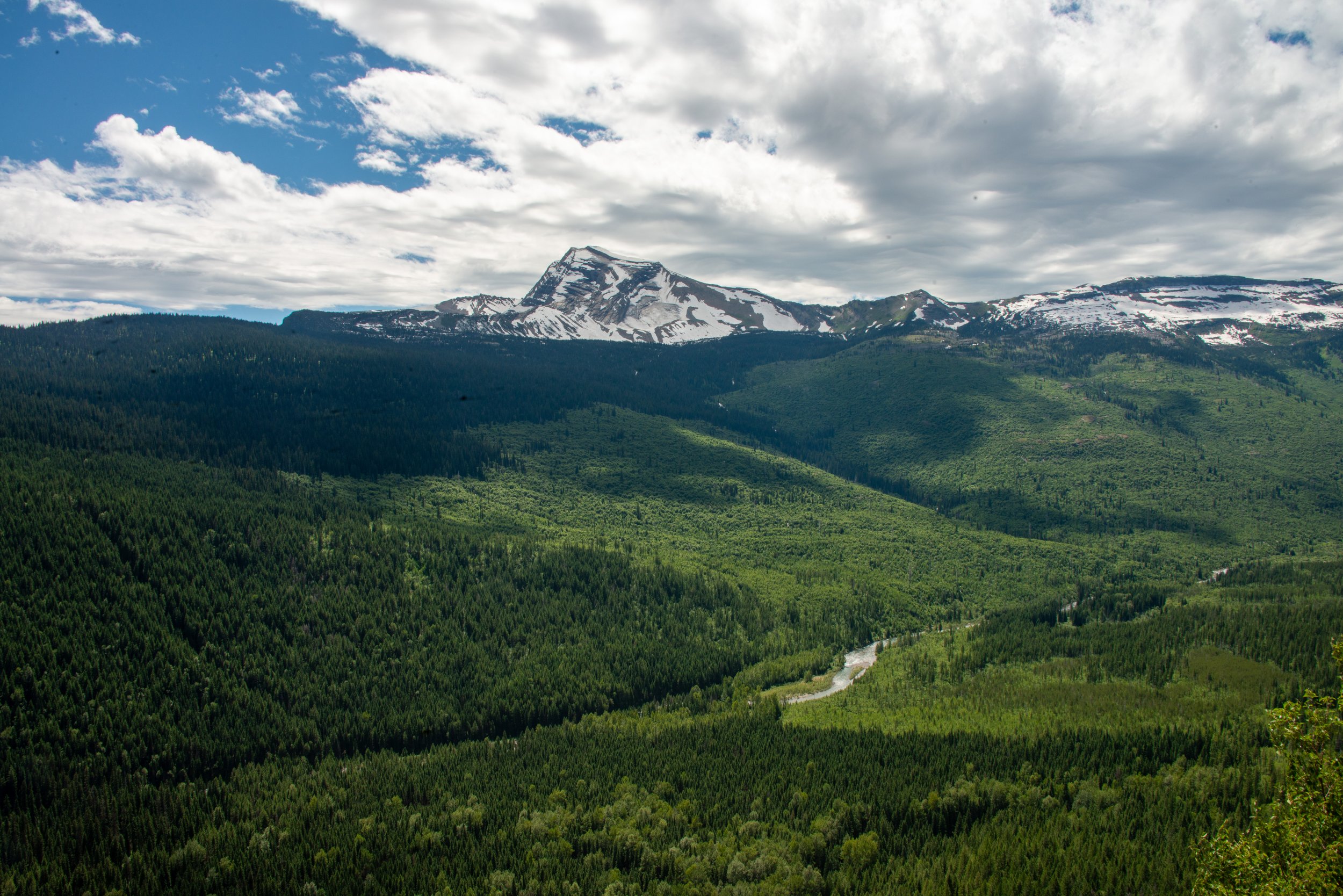
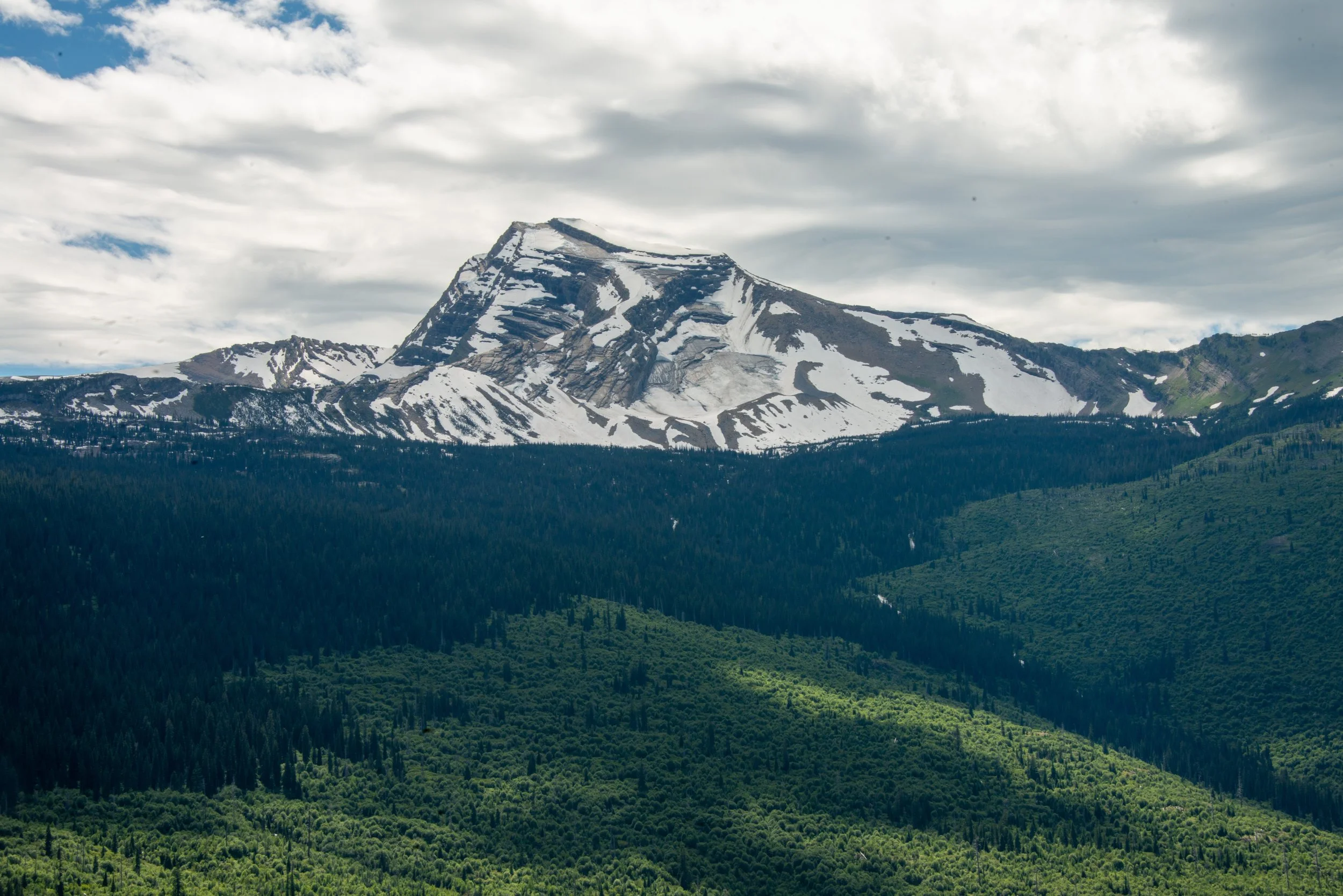
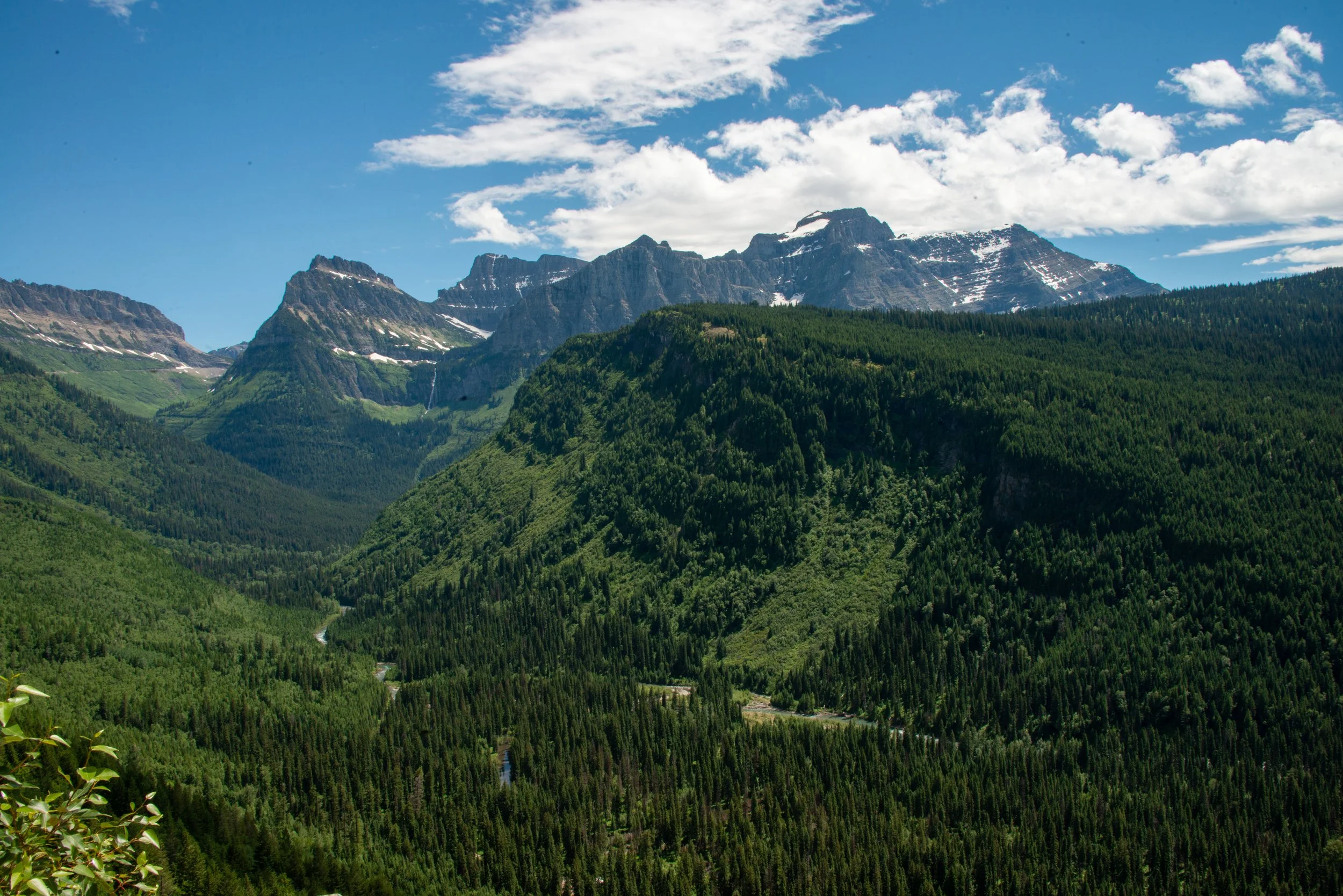
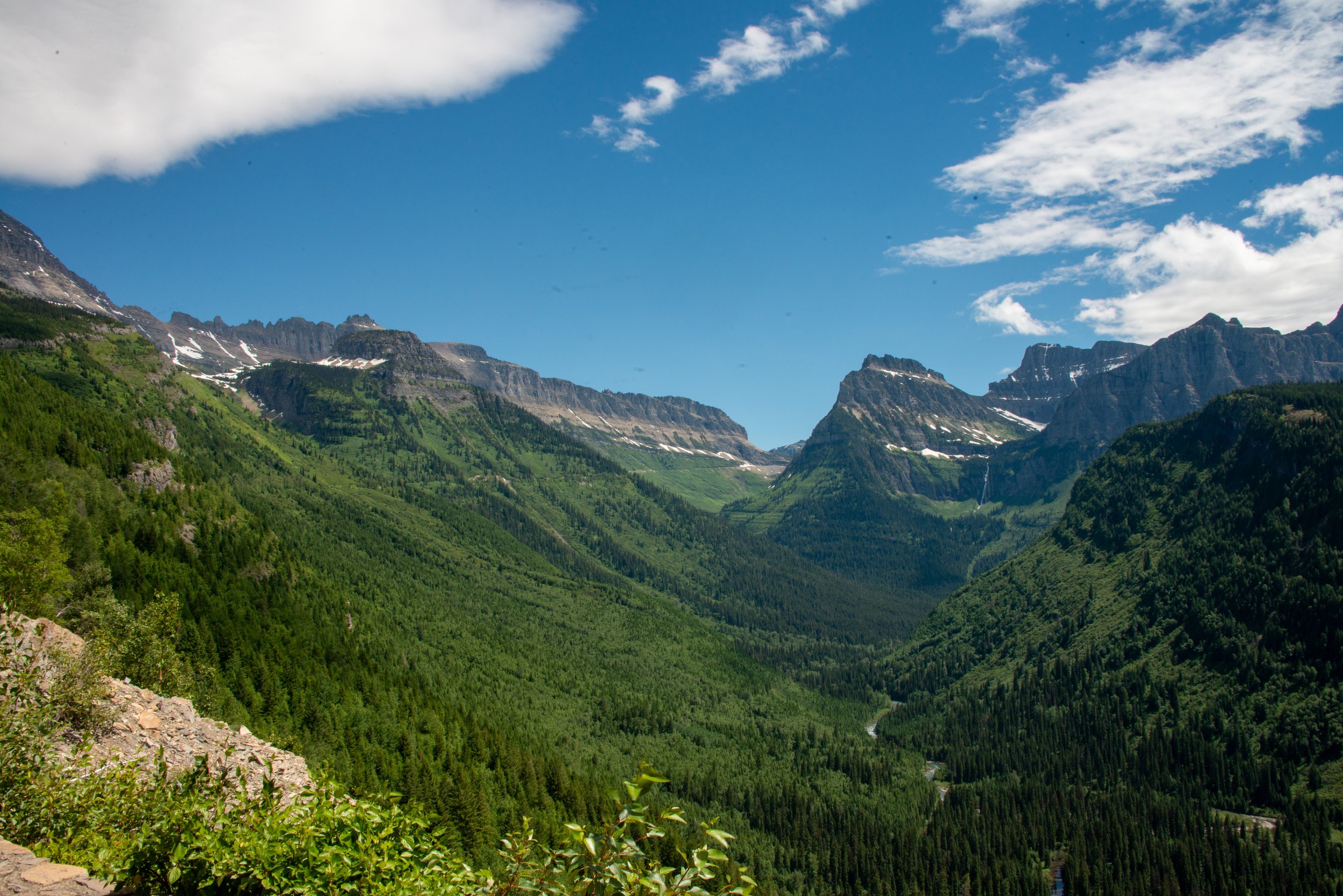
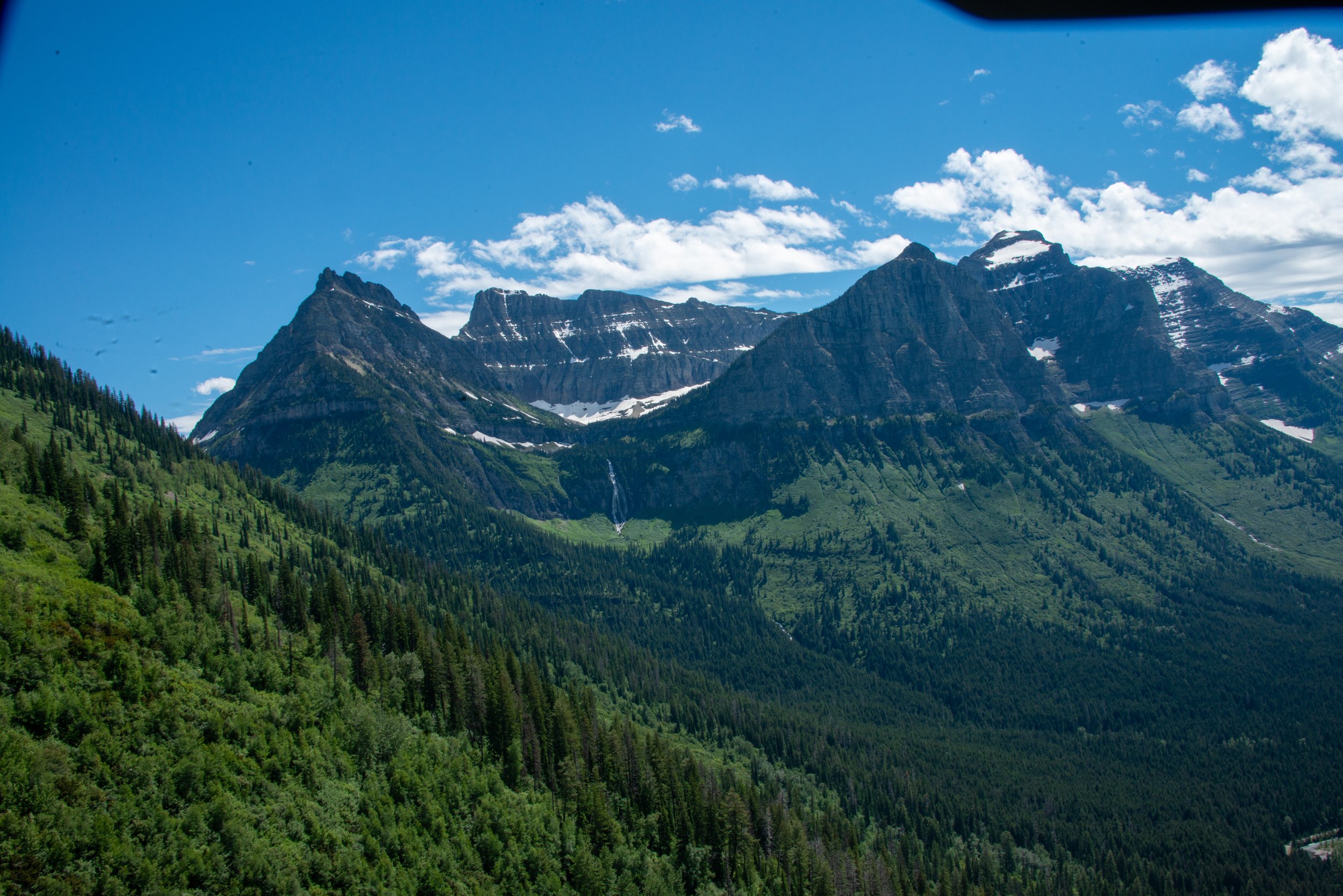
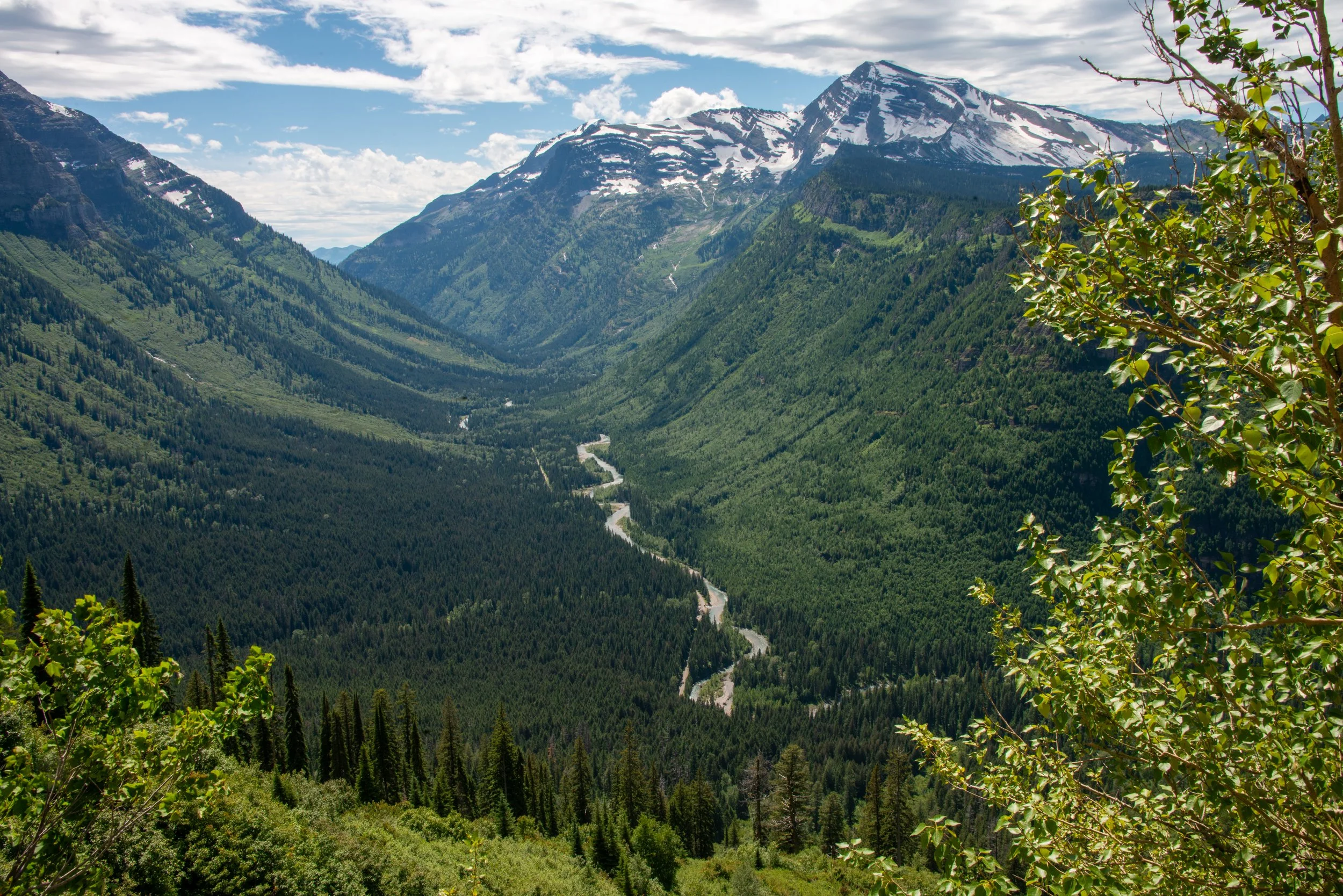
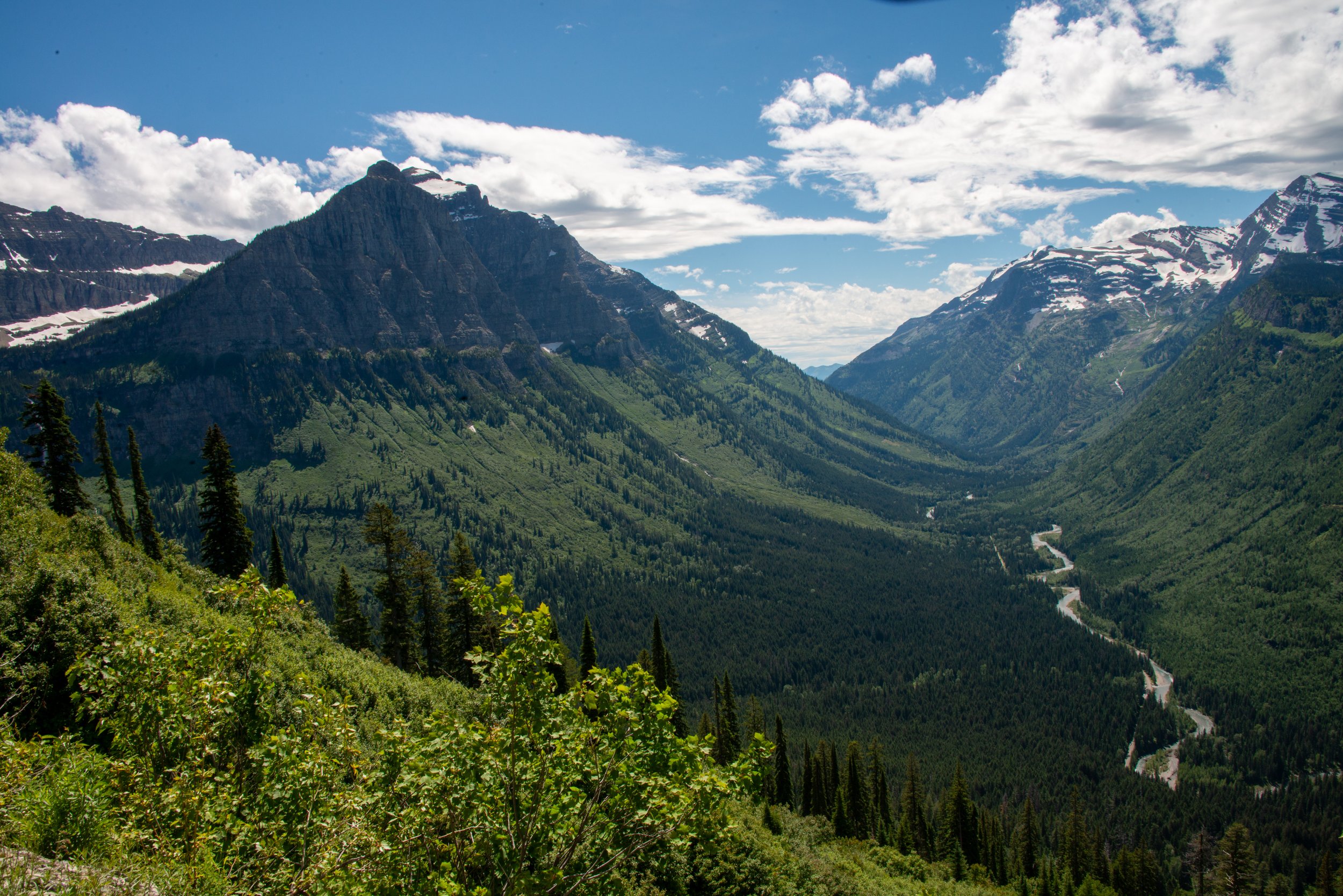
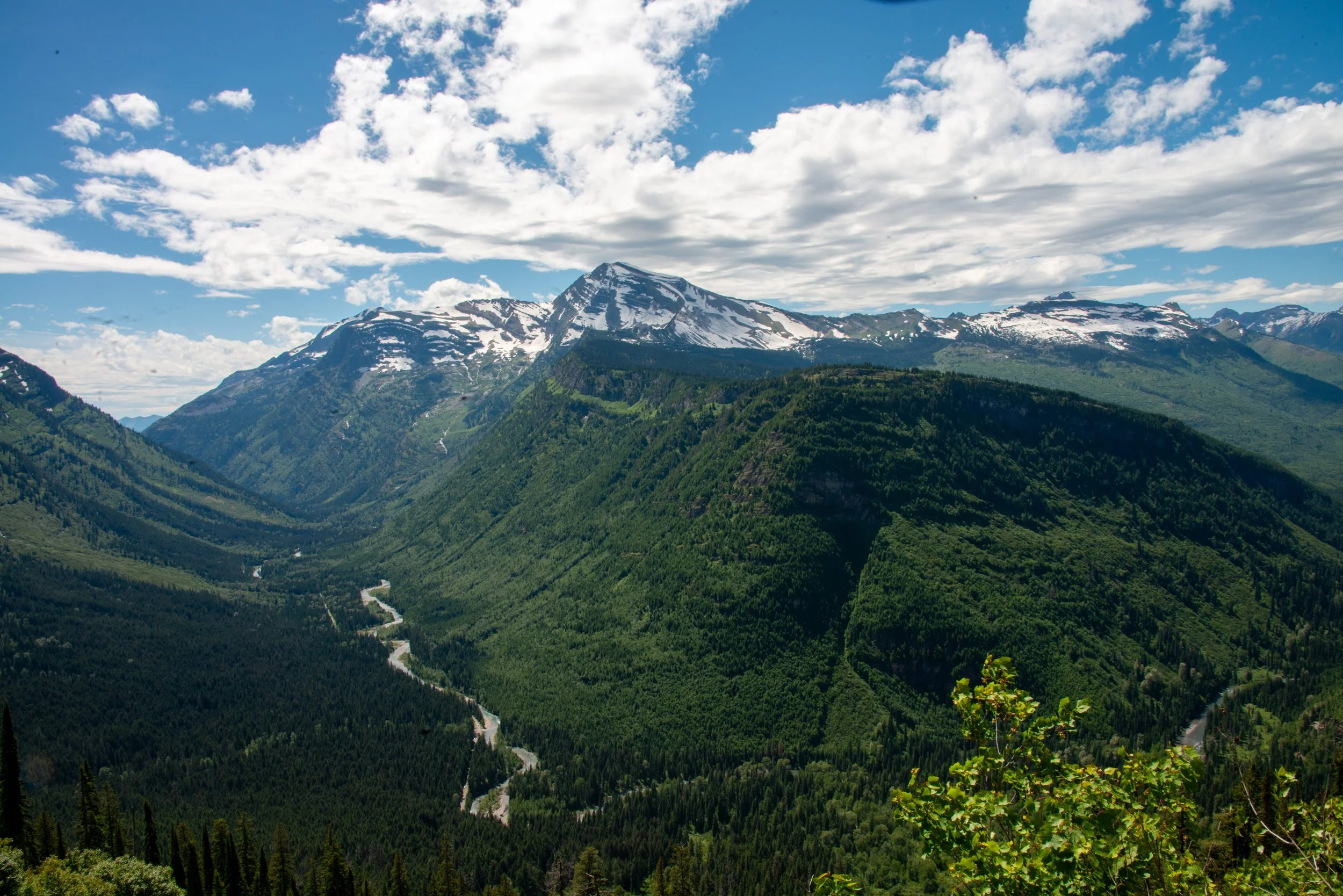
Located just north of the Mission Valley in northwestern Montana, Glacier National Park encompasses over one million acres of rugged wilderness, carved by ancient glaciers and defined by sharp alpine peaks, pristine lakes, and dense cedar forests.
The region has deep cultural roots. For thousands of years prior to the establishment of the park in 1910, these lands served as the traditional homelands of the Blackfeet Nation to the east, and the Salish, Pend d’Oreille, and Kootenai tribes to the west. The Blackfeet refer to the area as the "Backbone of the World," a vital spiritual and hunting ground along the Continental Divide.
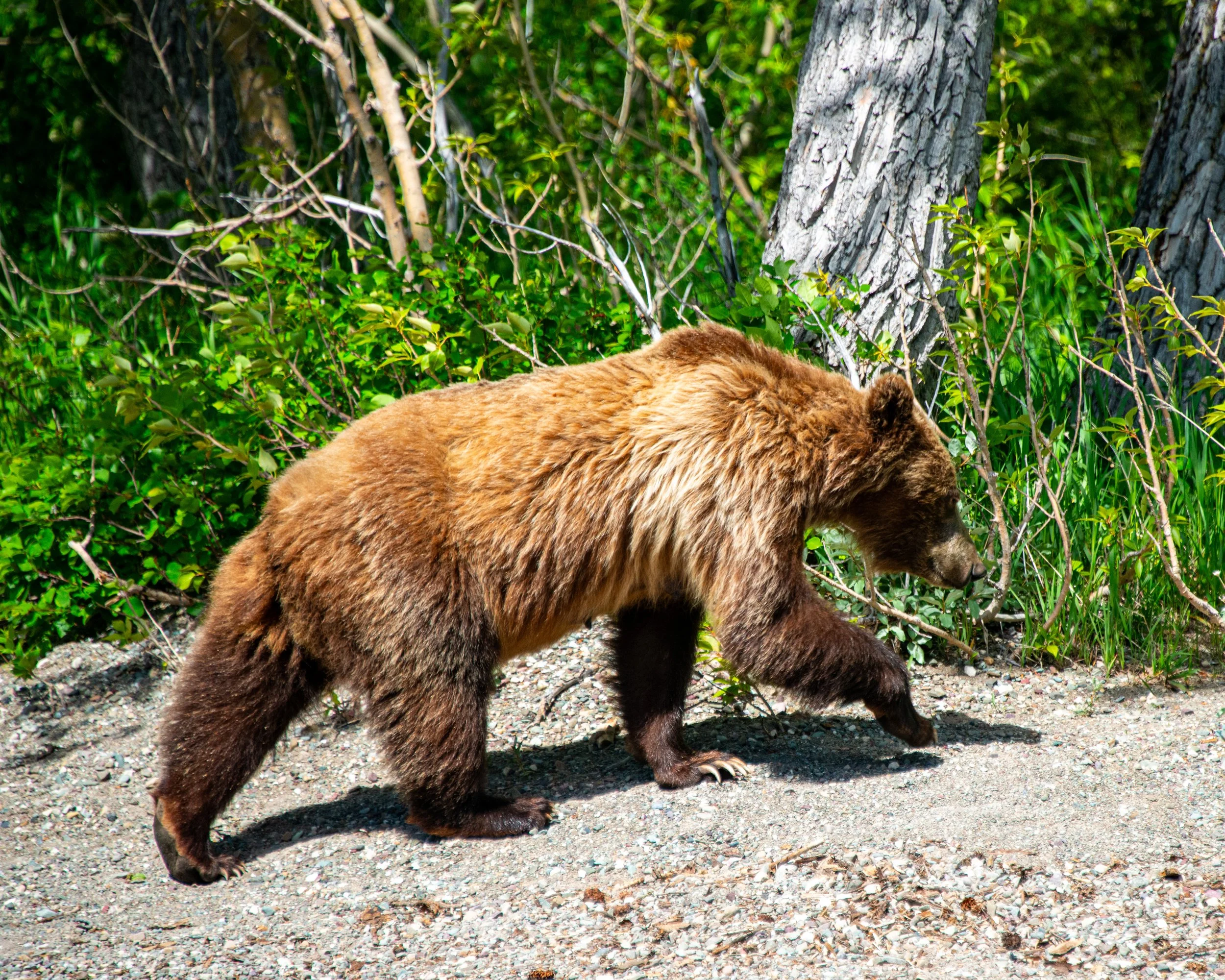
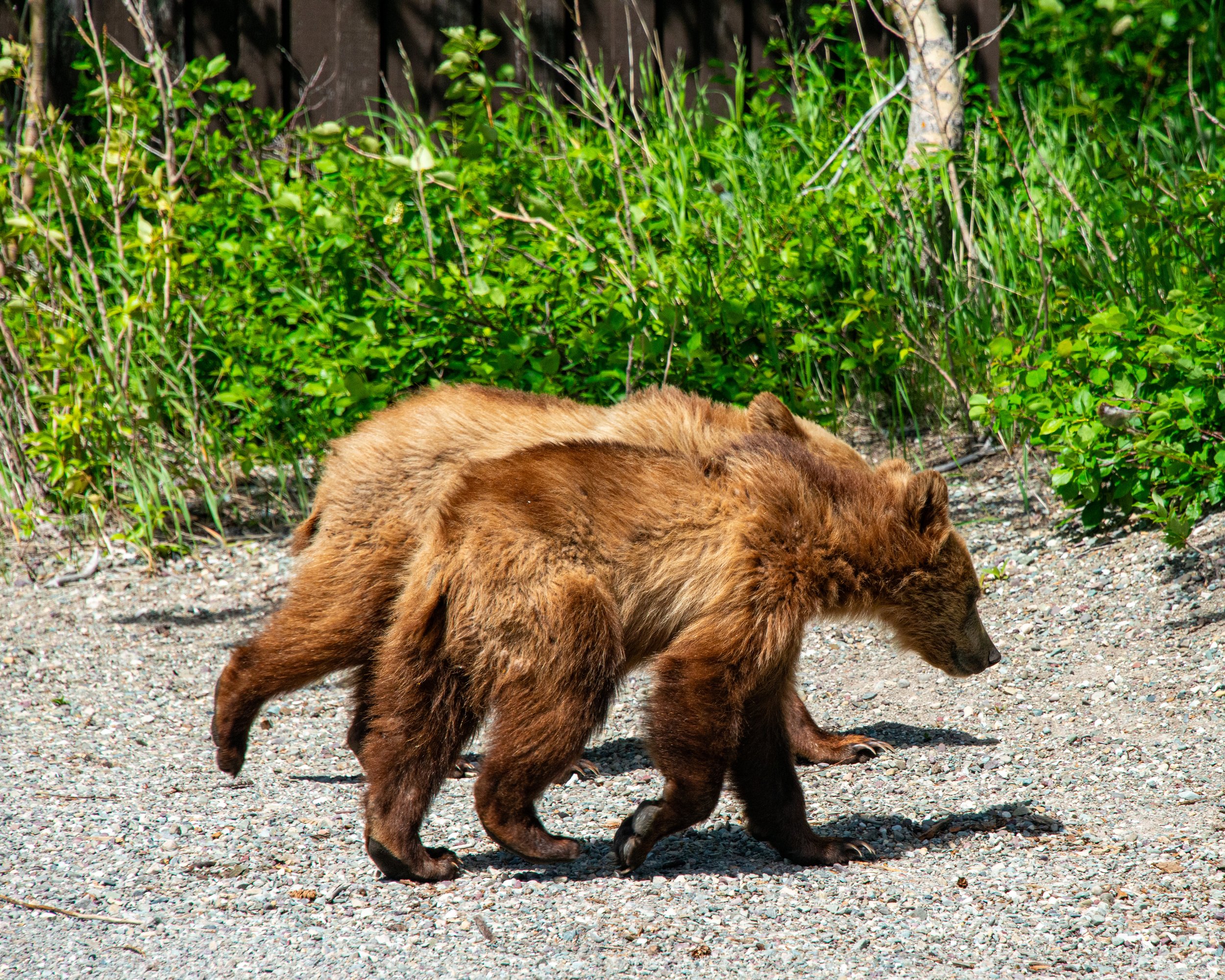
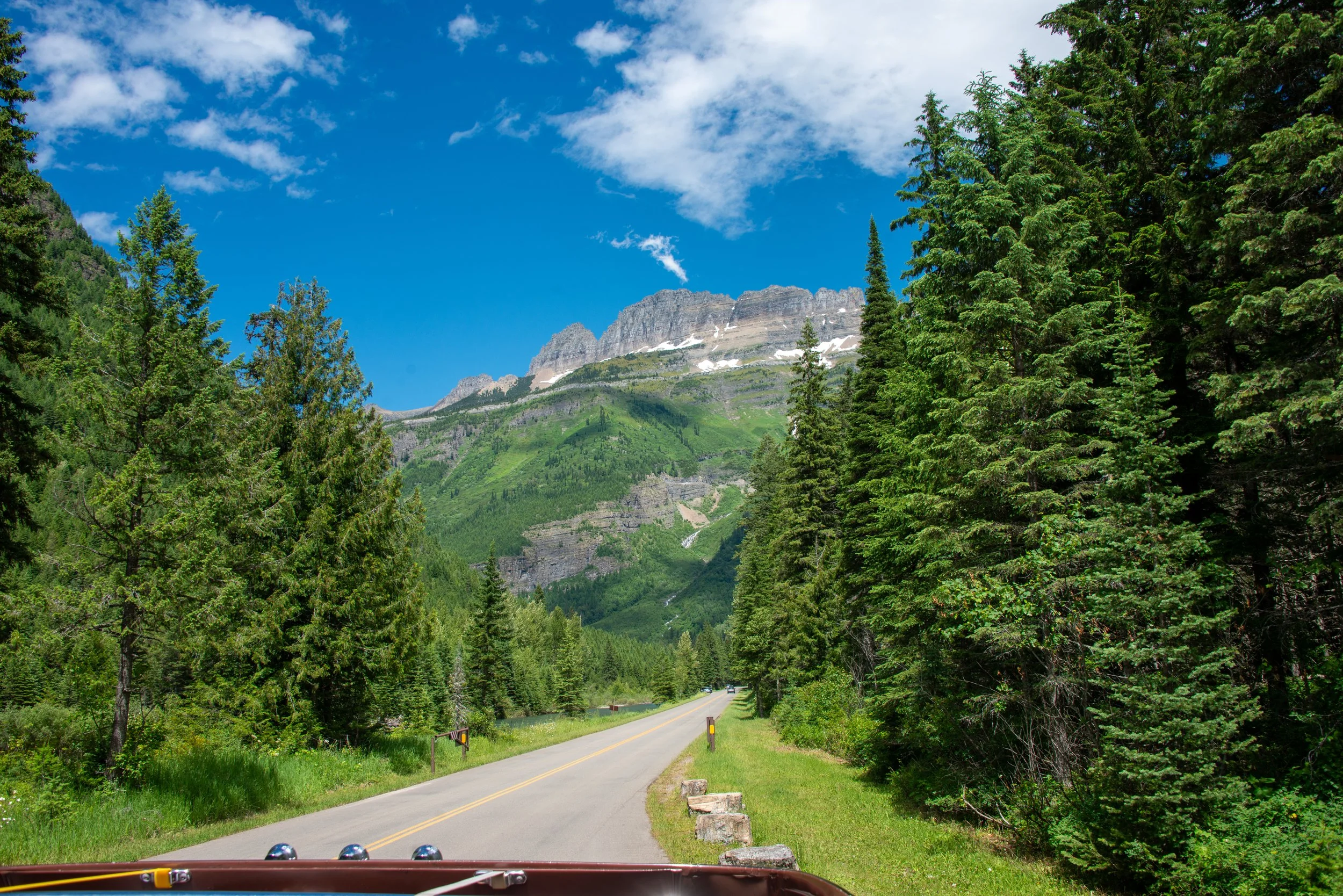
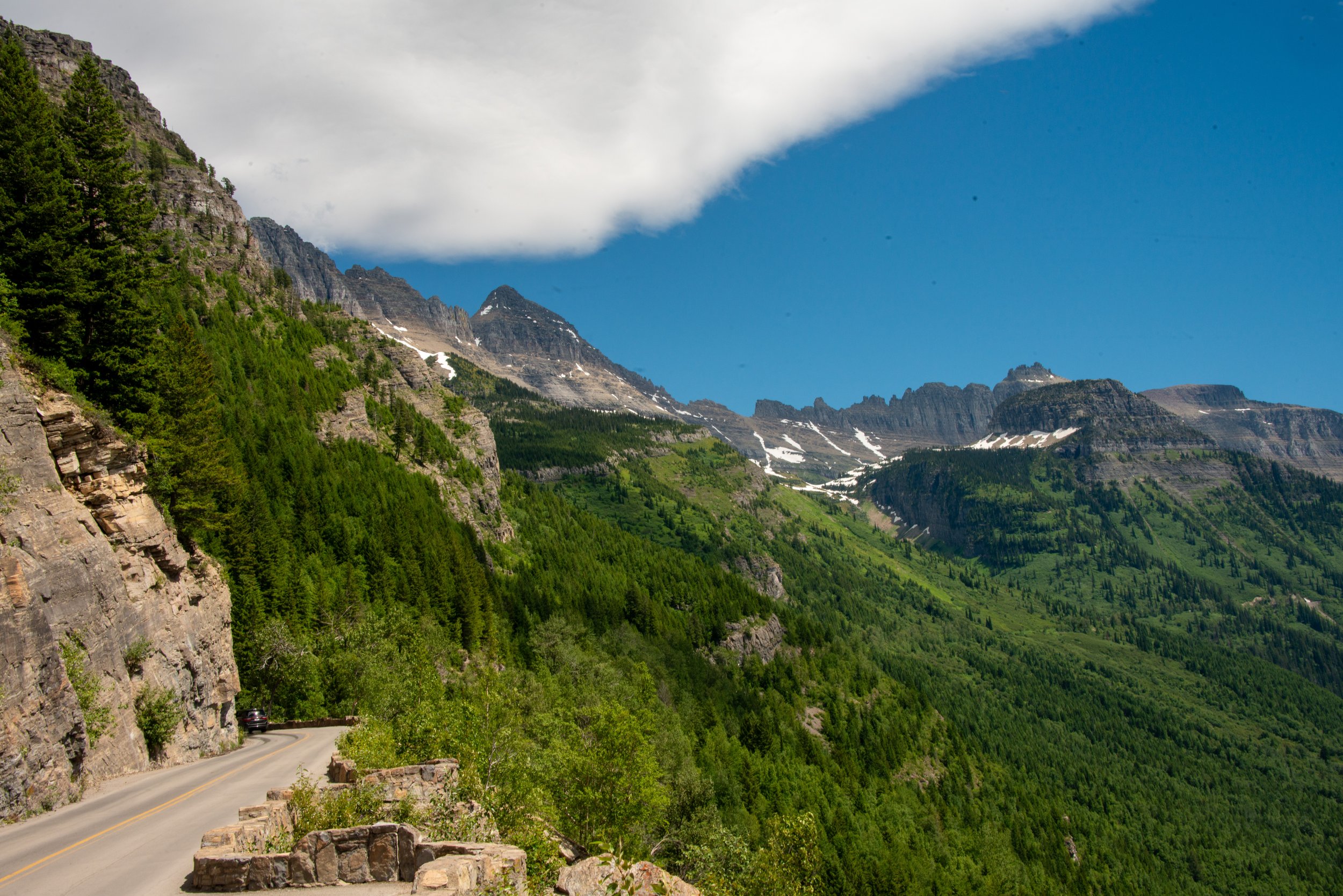
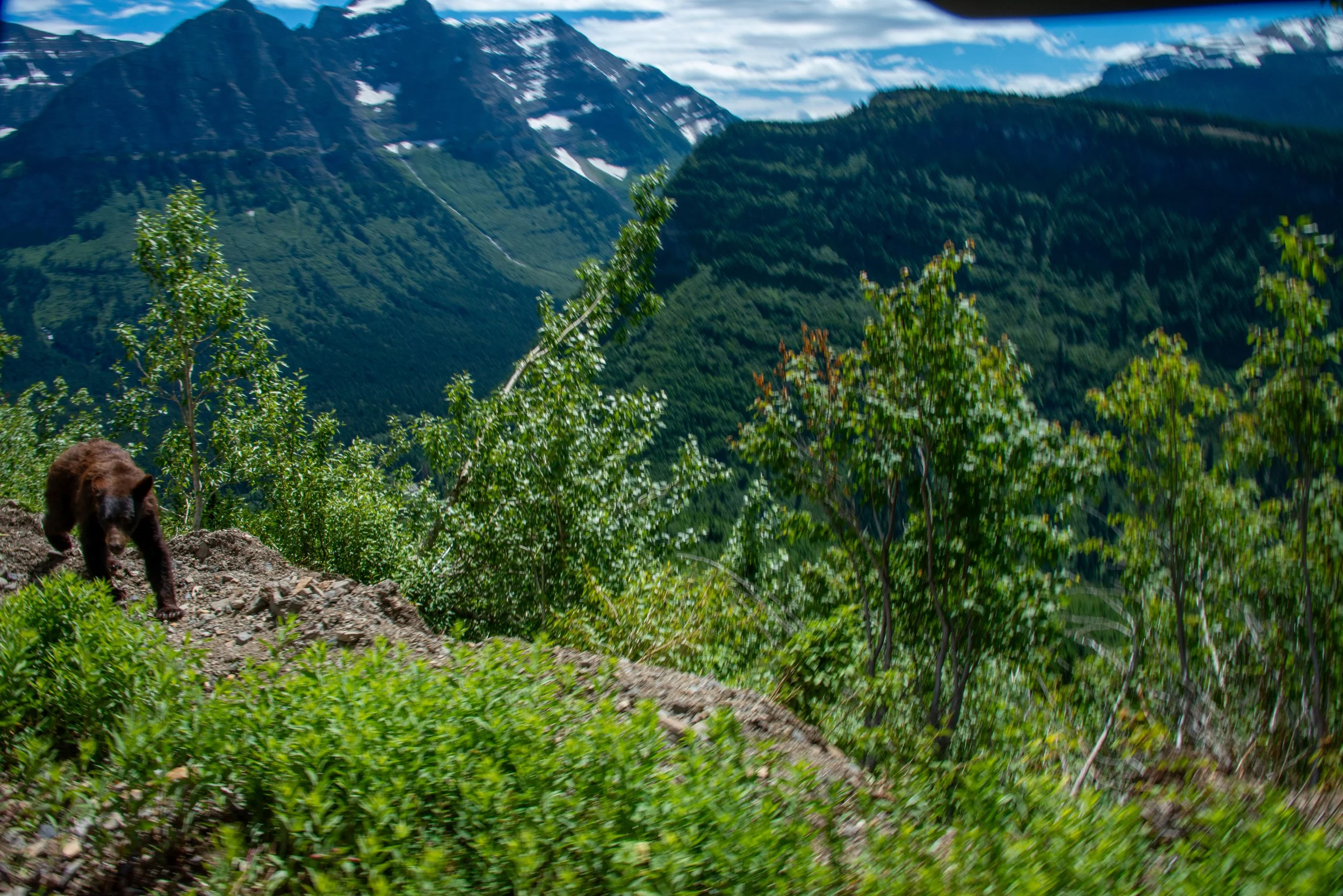
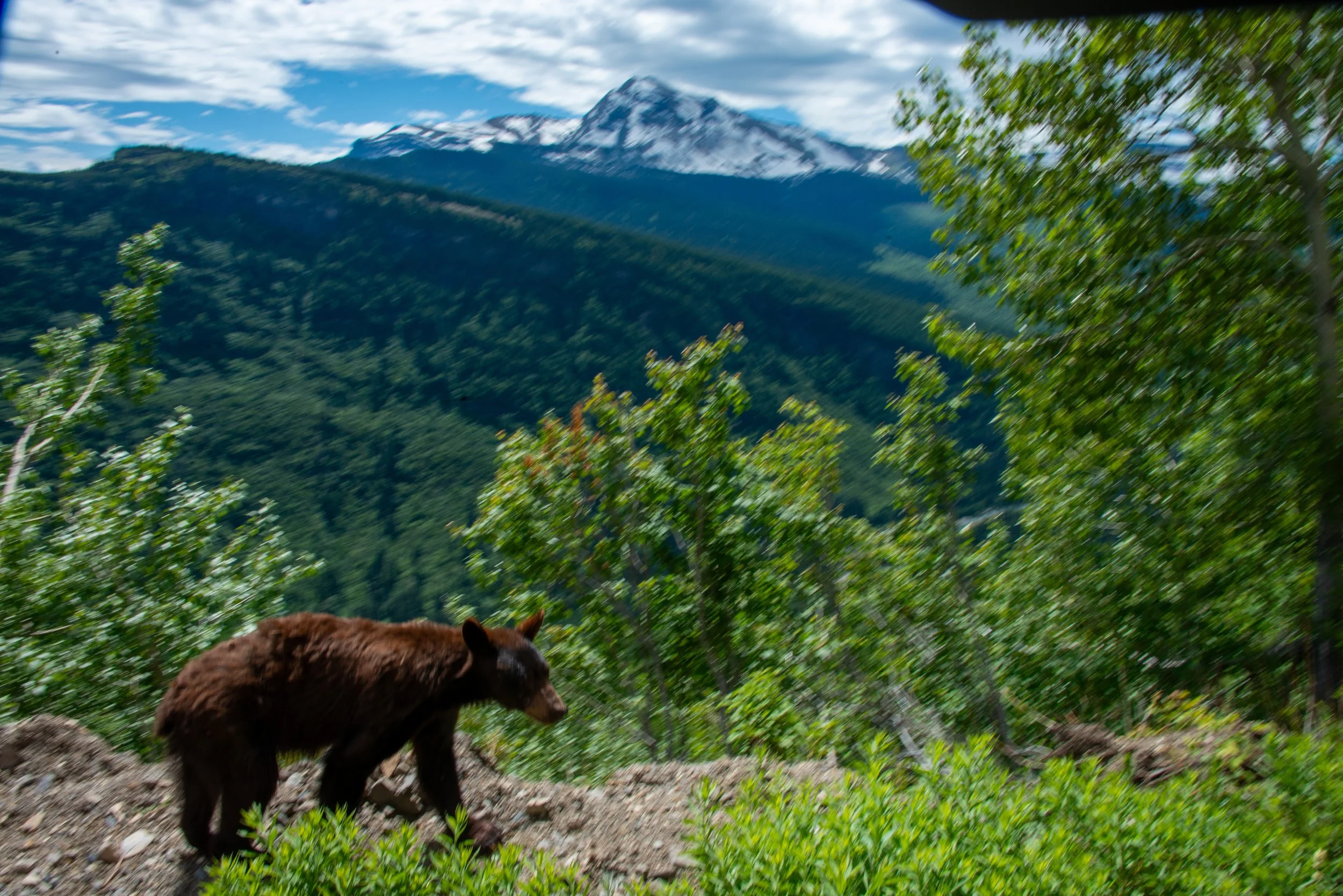
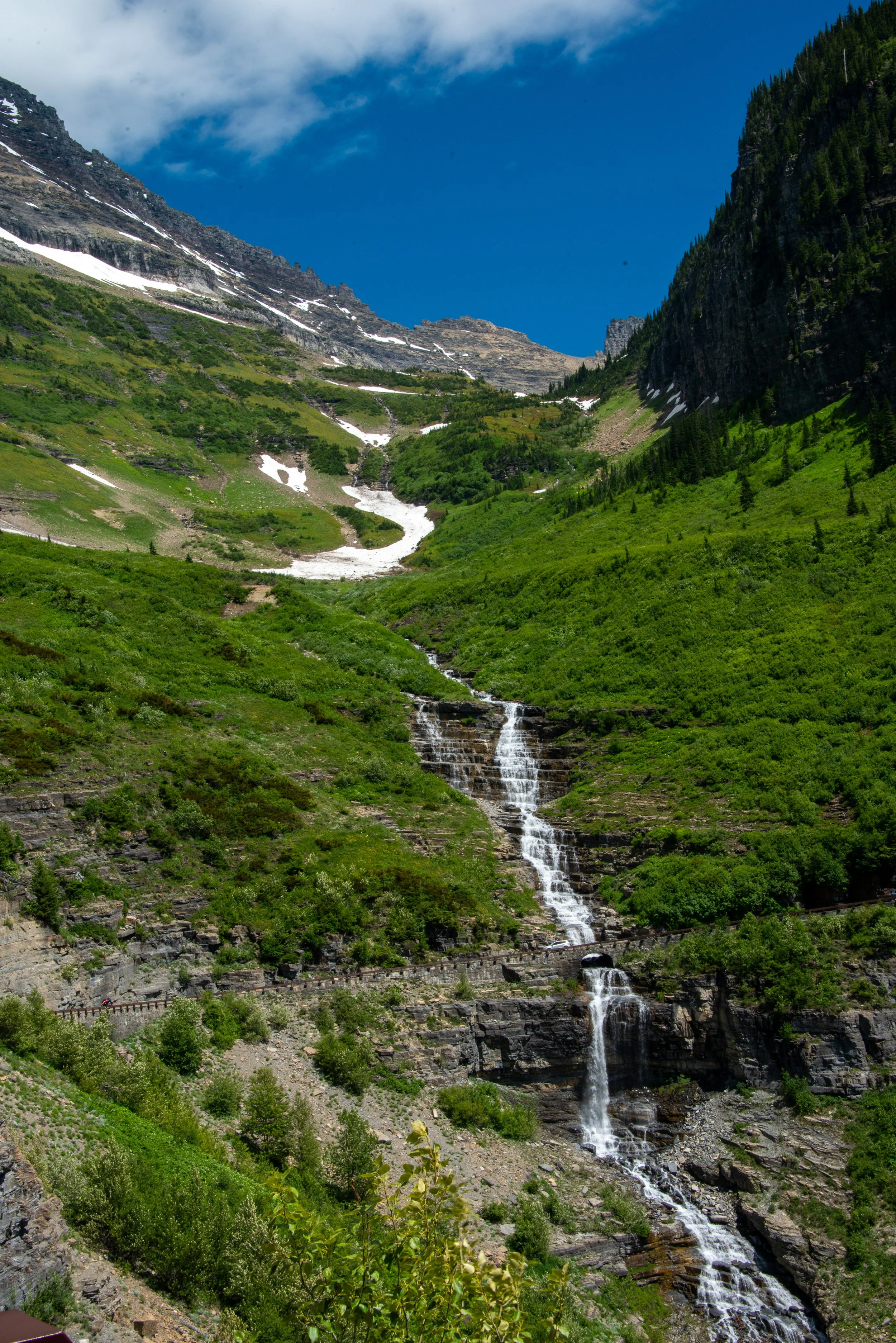
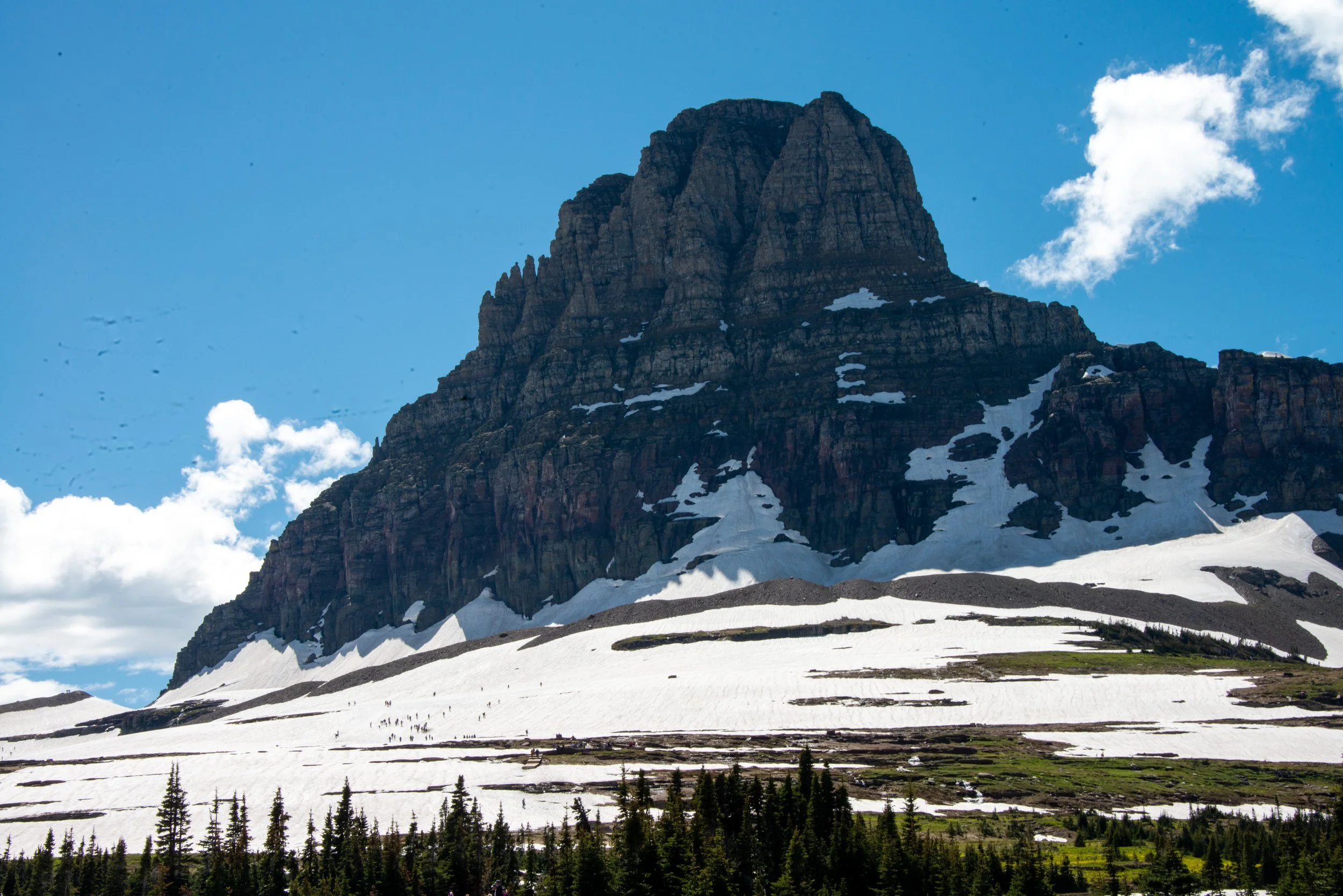
Today, Glacier is co-managed through partnerships between the National Park Service and neighboring tribal nations, emphasizing ecological preservation and tribal history. The park preserves a remarkably intact ecosystem, serving as a haven for grizzly bears, mountain goats, bighorn sheep, and lynx. A central feature of the visitor experience is the iconic Going-to-the-Sun Road—a 50-mile engineering marvel completed in 1932 that bisects the park, climbing over Logan Pass and providing access to stunning glacial valleys and alpine tundra.
Glacier remains a cornerstone of North American conservation, offering a dramatic look at high-elevation ecosystems and a landscape shaped by time, ice, and cultural legacy.