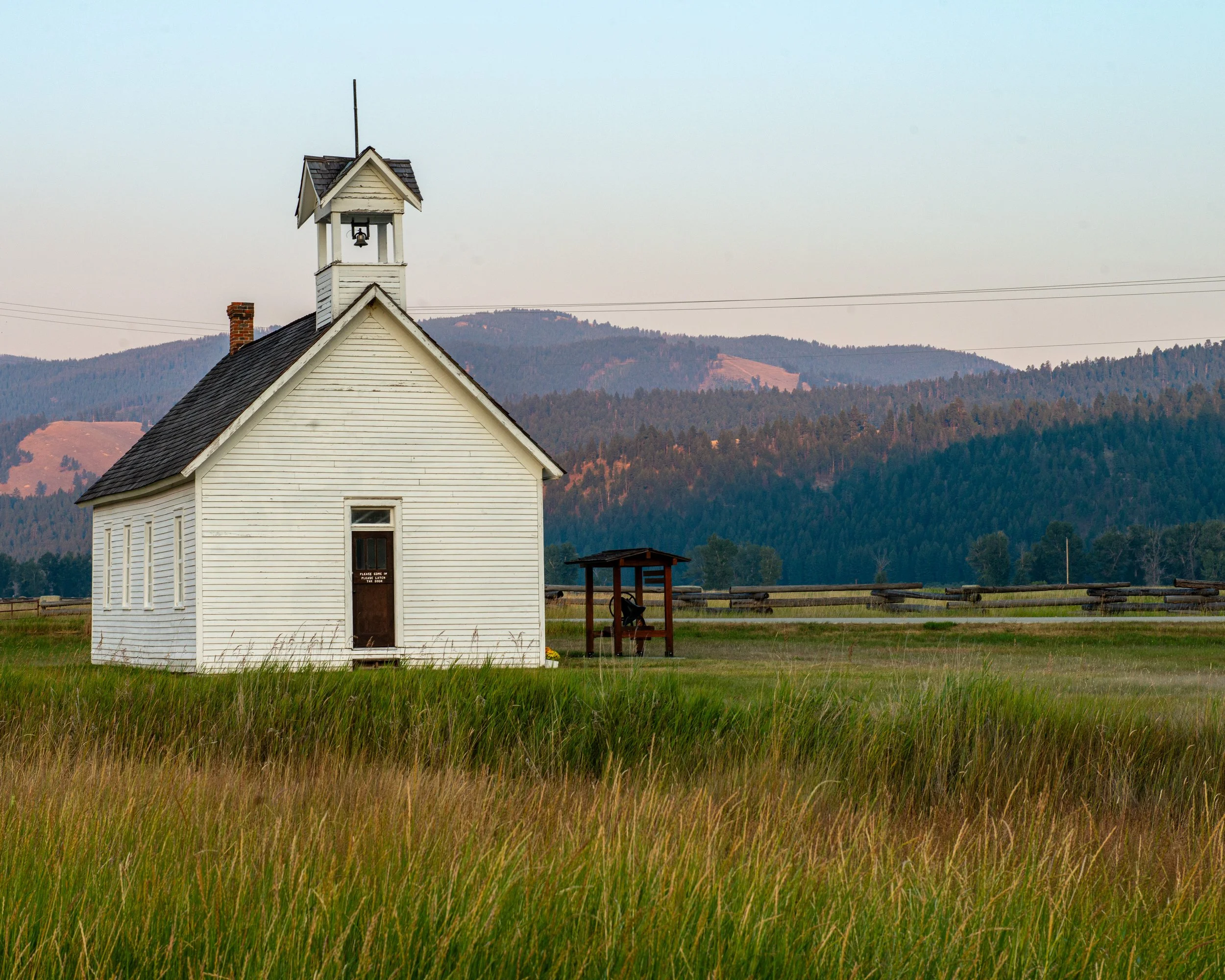
Sula MT
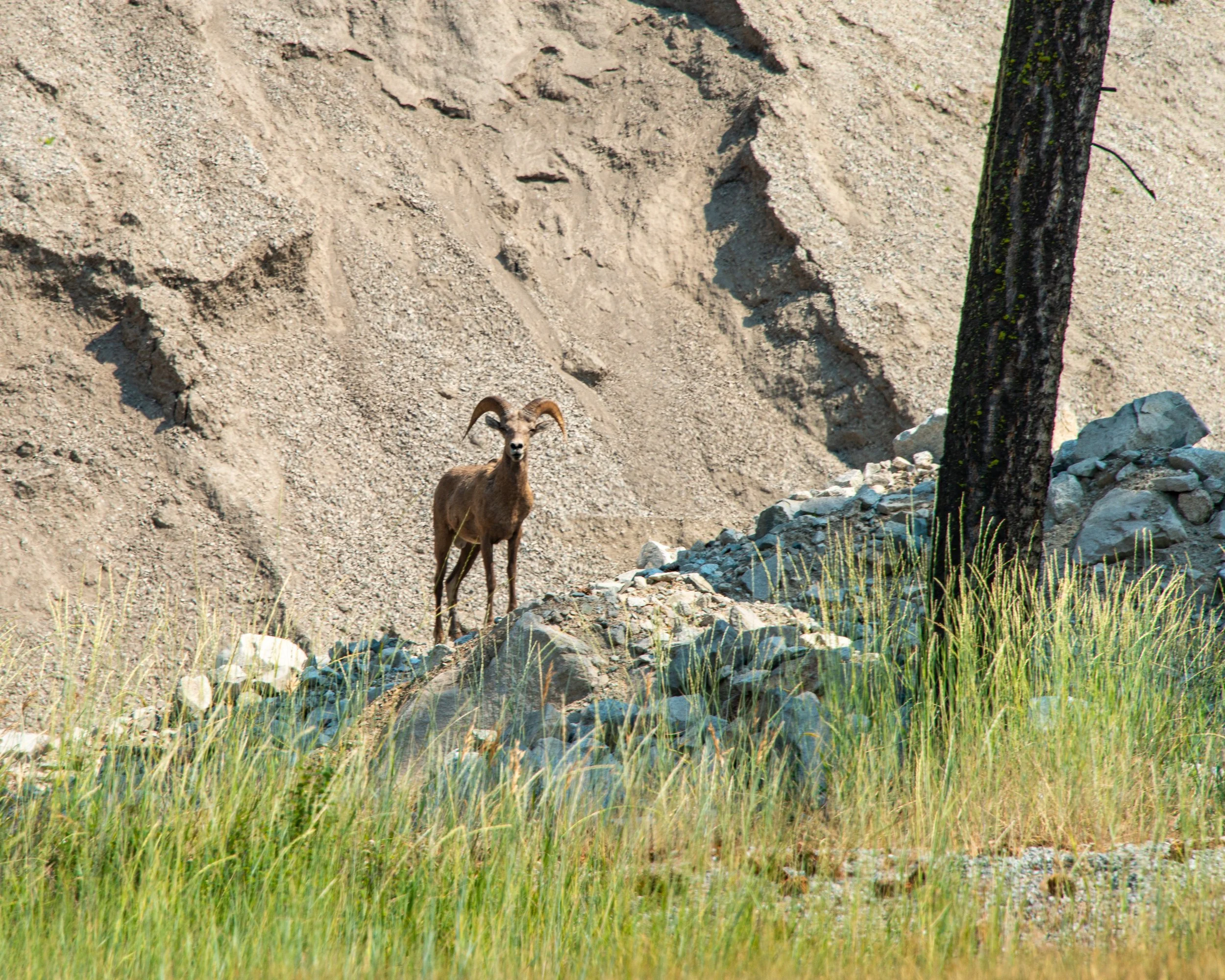
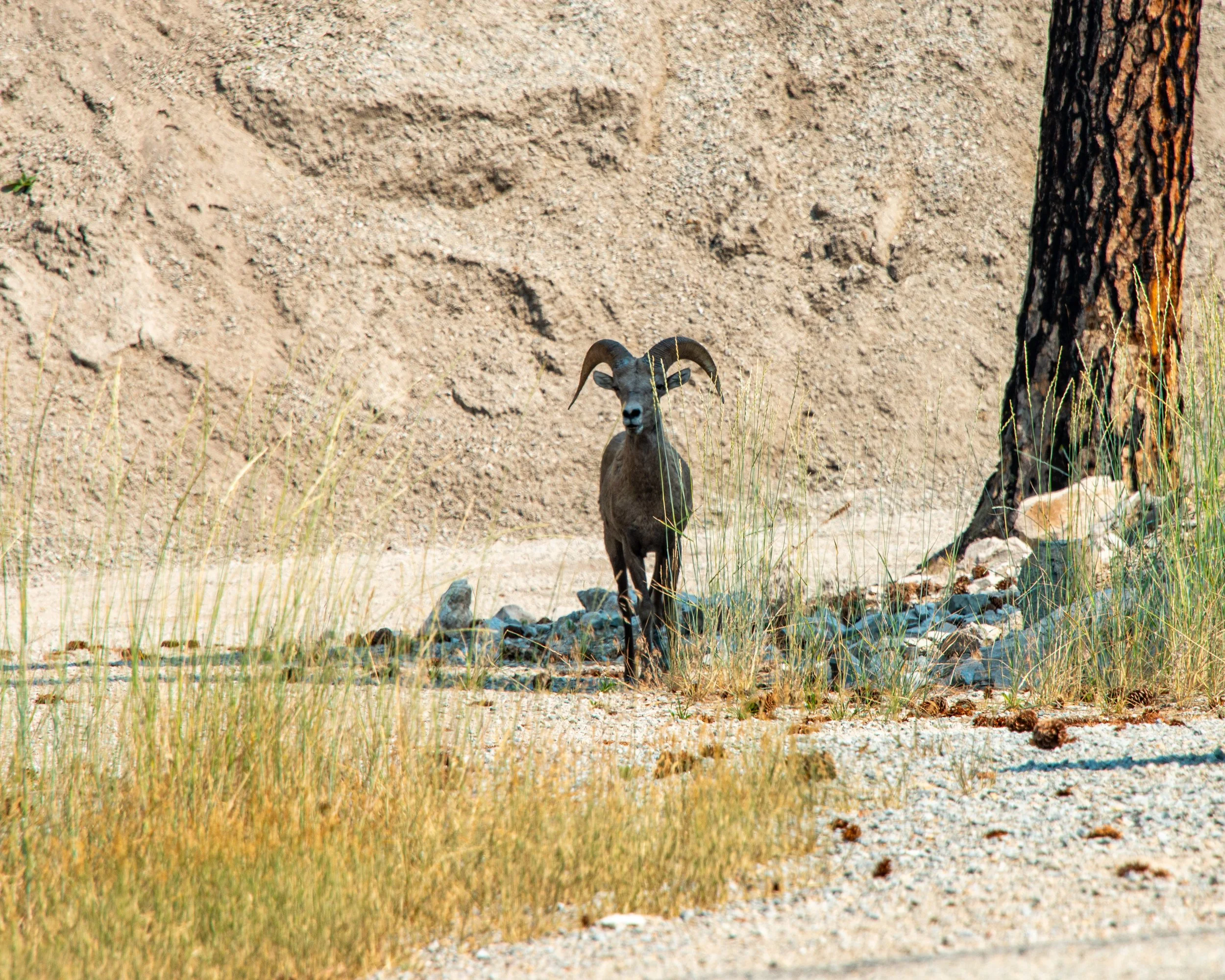
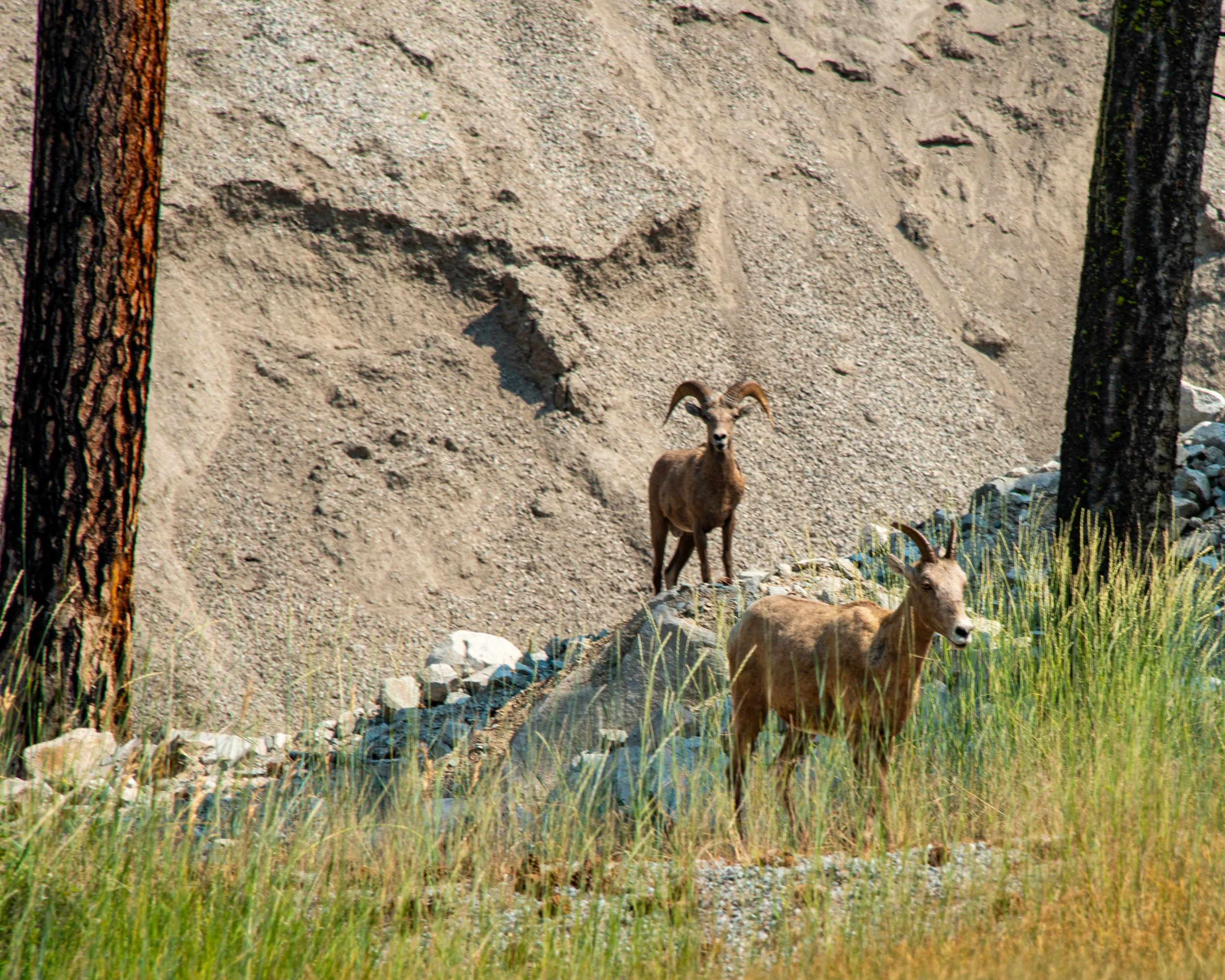
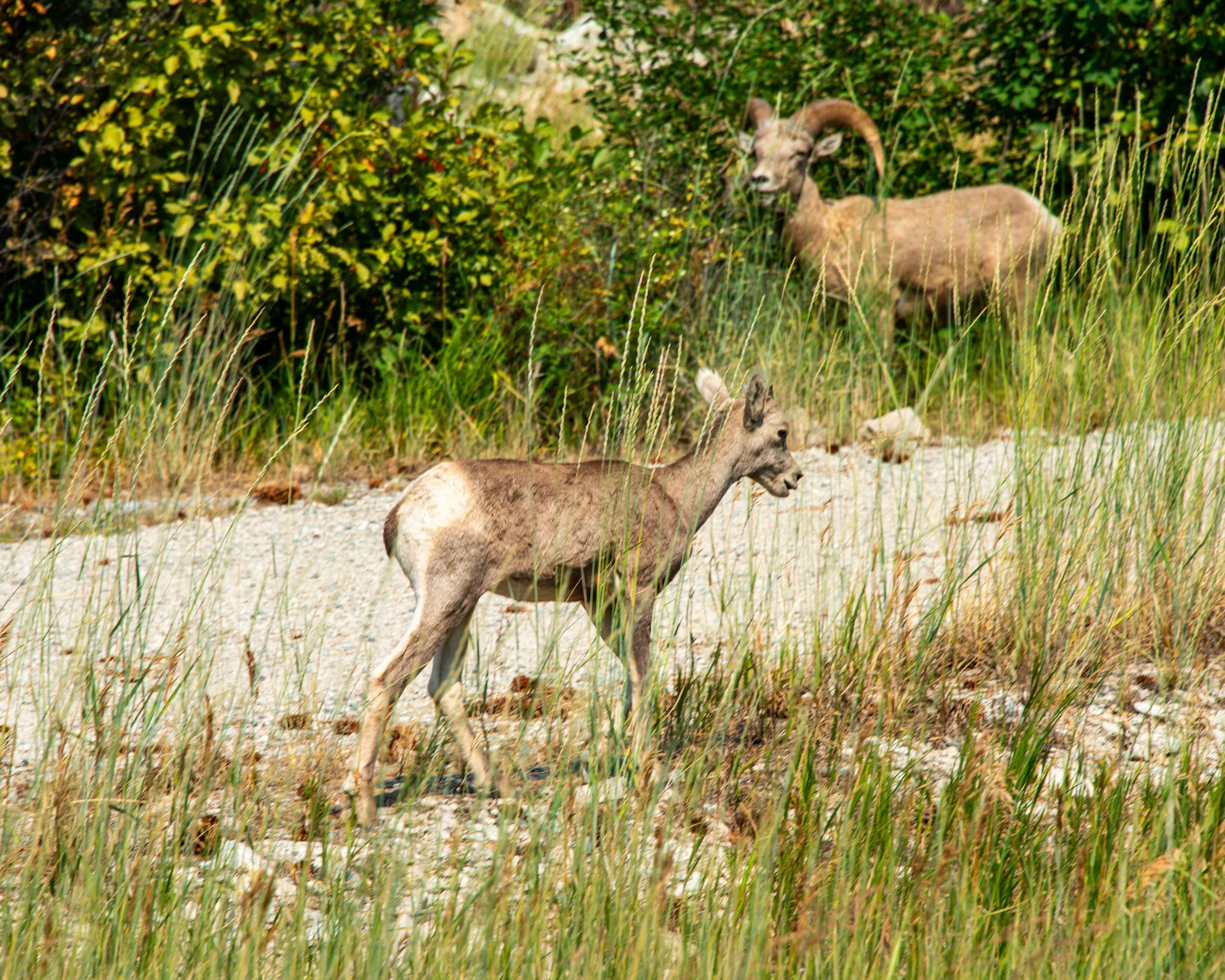
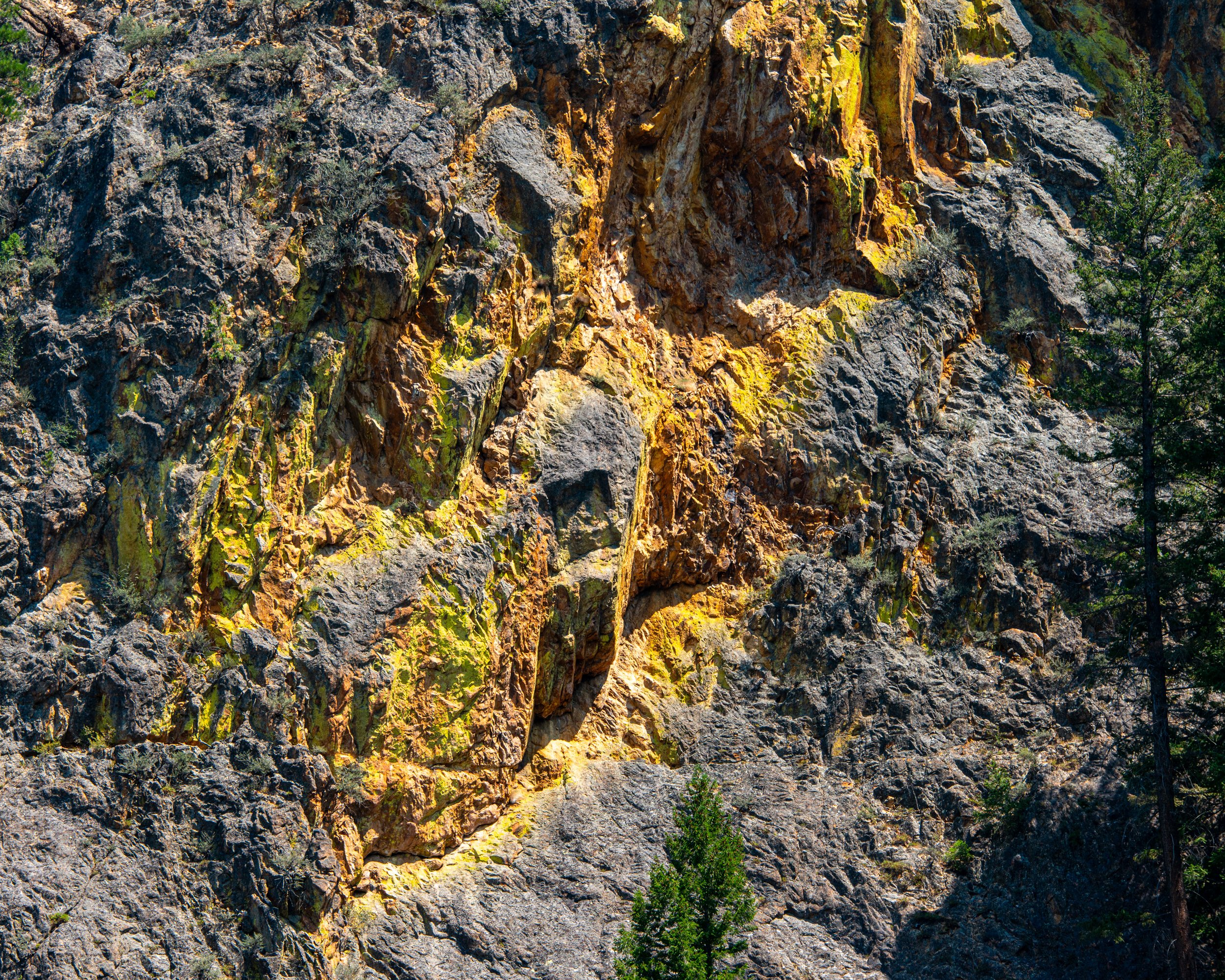
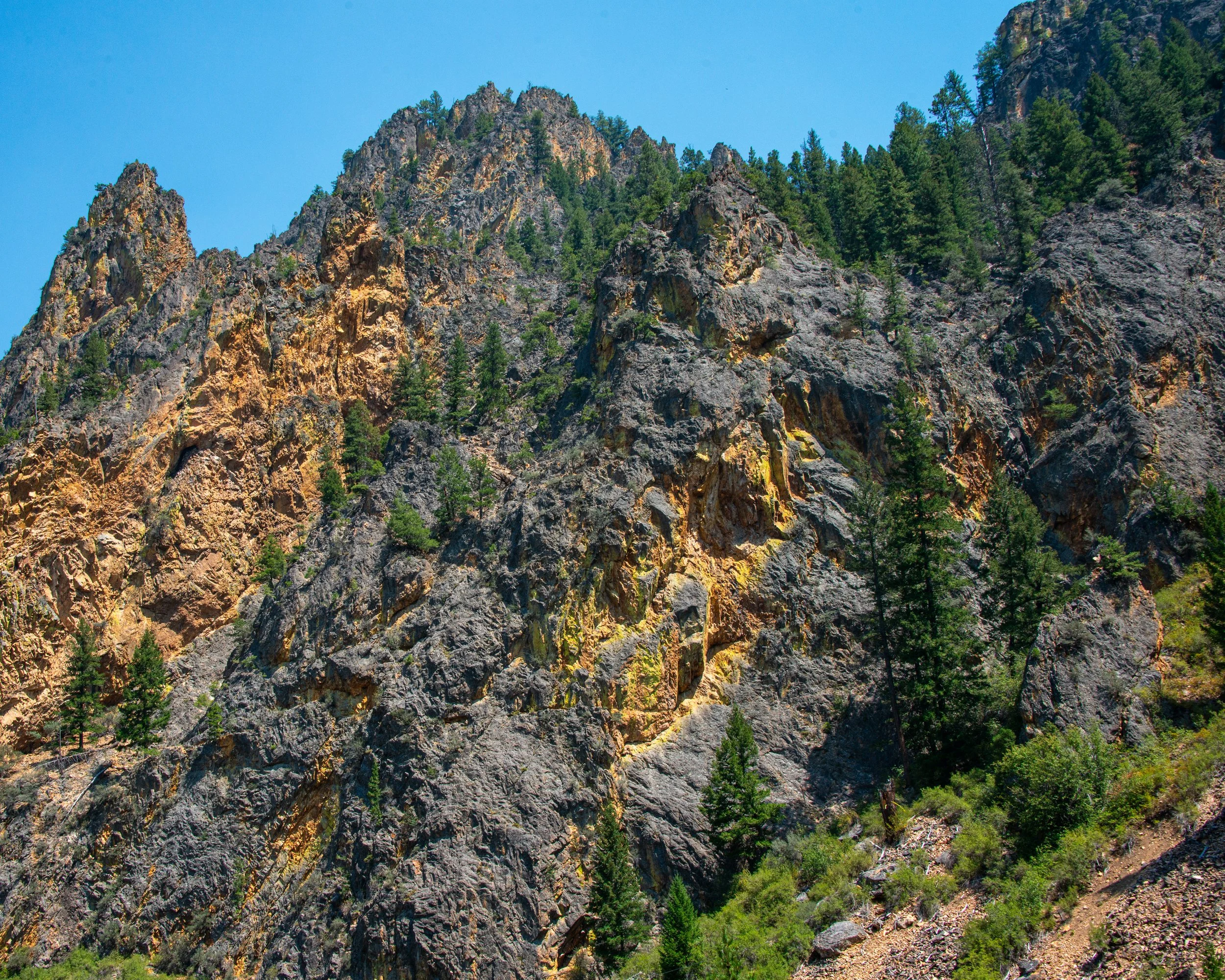
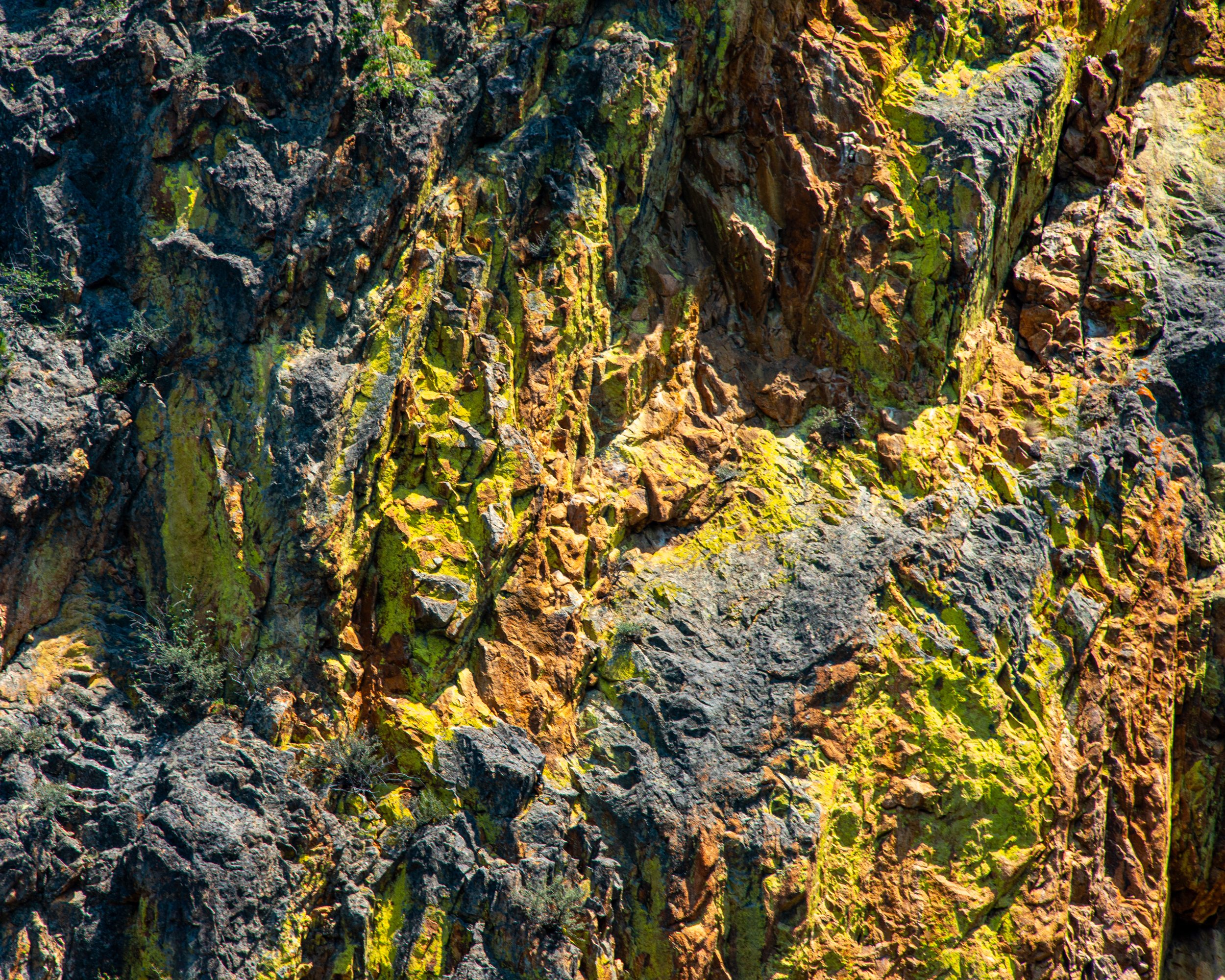
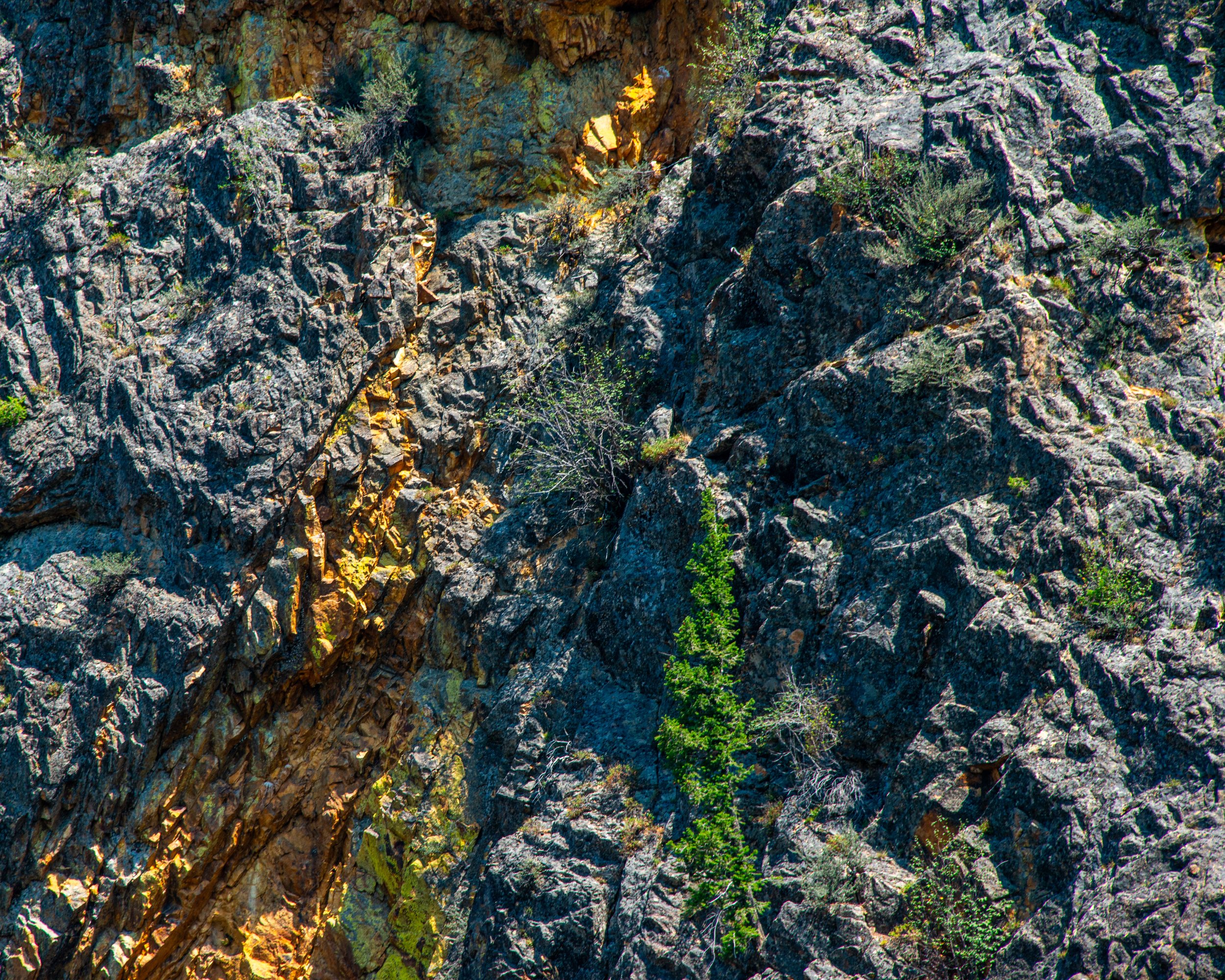
Along Highway 93 and up the winding access road to Painted Rocks, the rocky canyon corridors belong to the West Fork Bighorn Sheep herd. They navigate the near-vertical rock faces effortlessly, moving like gray ghosts against the lichen-mottled cliffs.
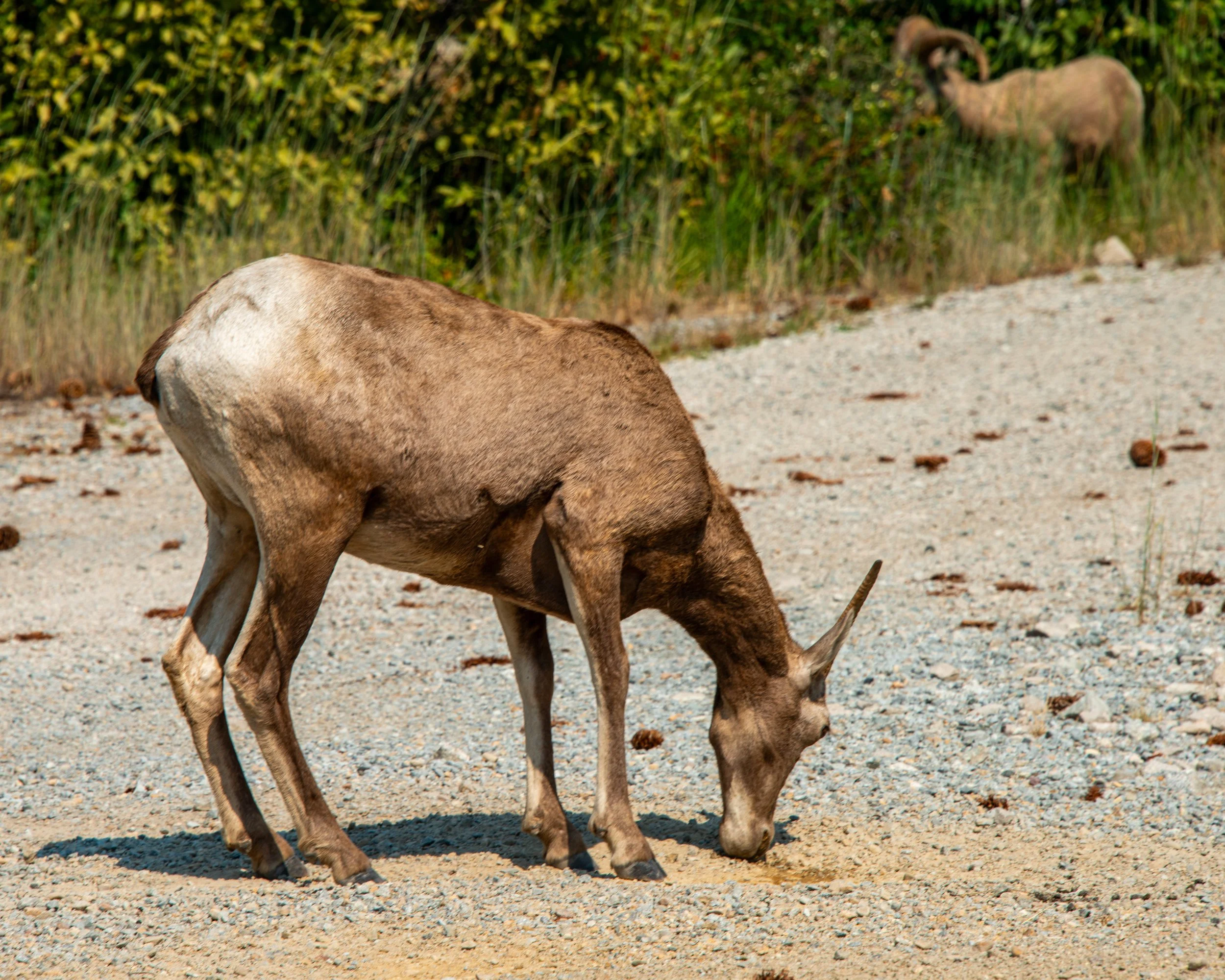
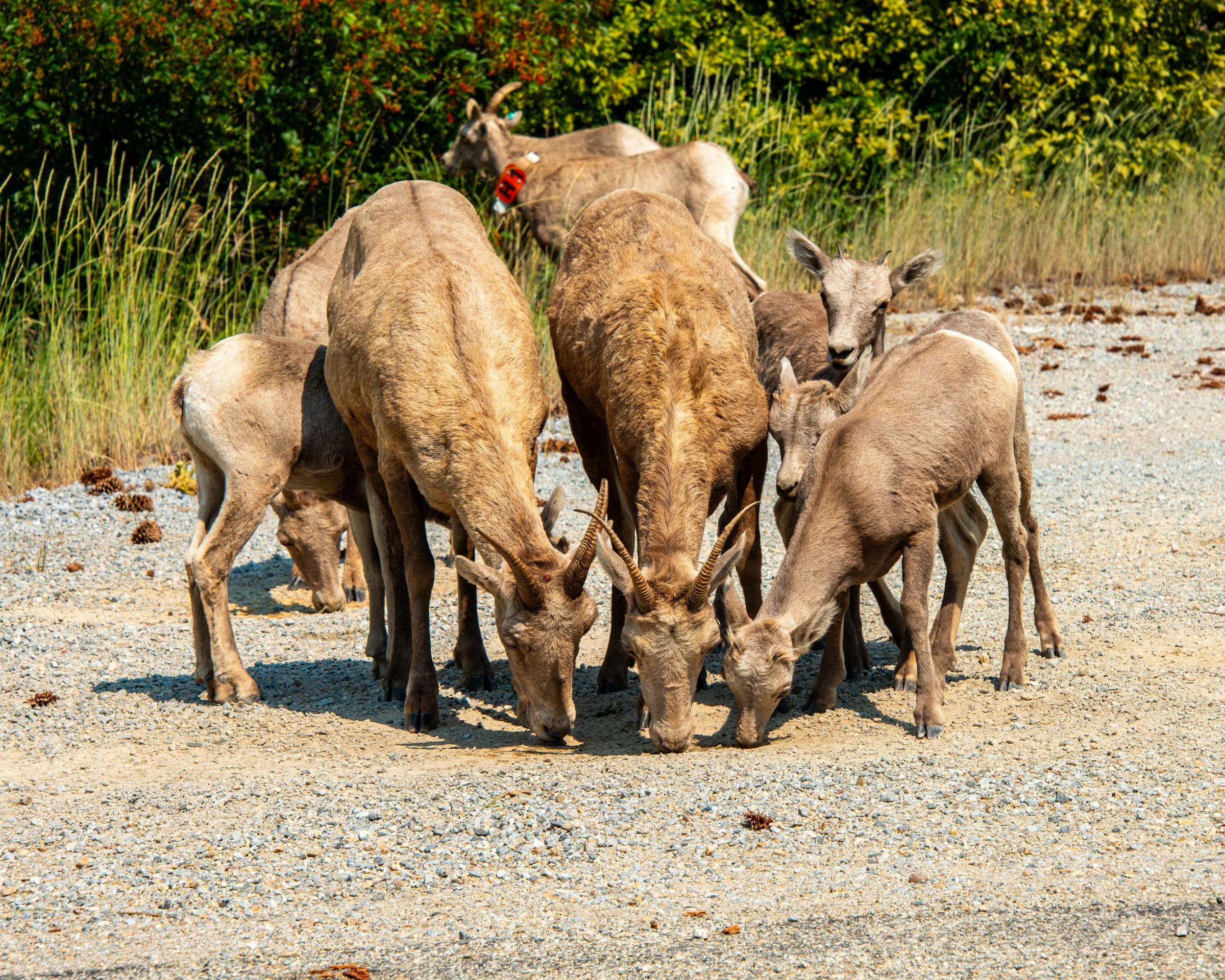
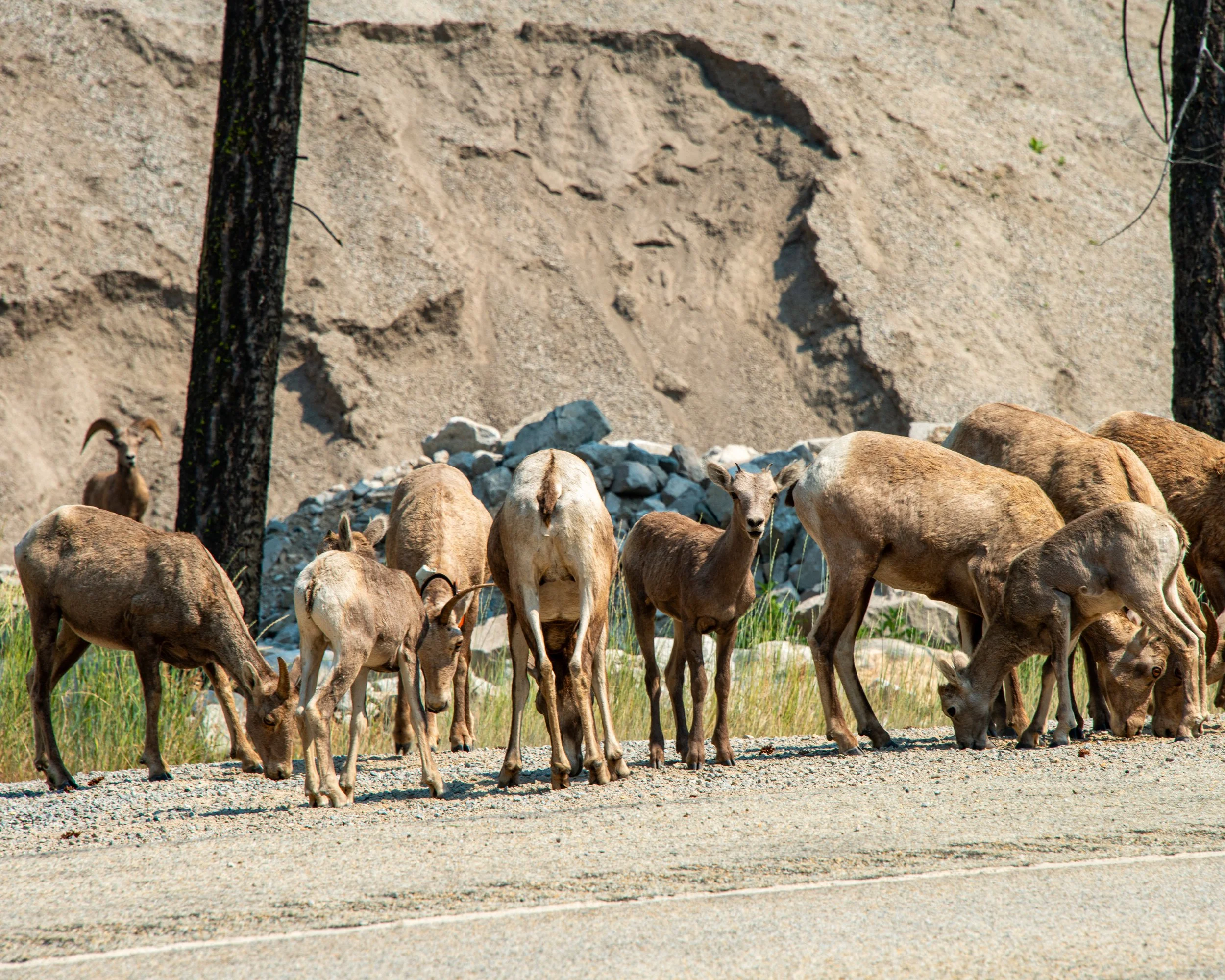
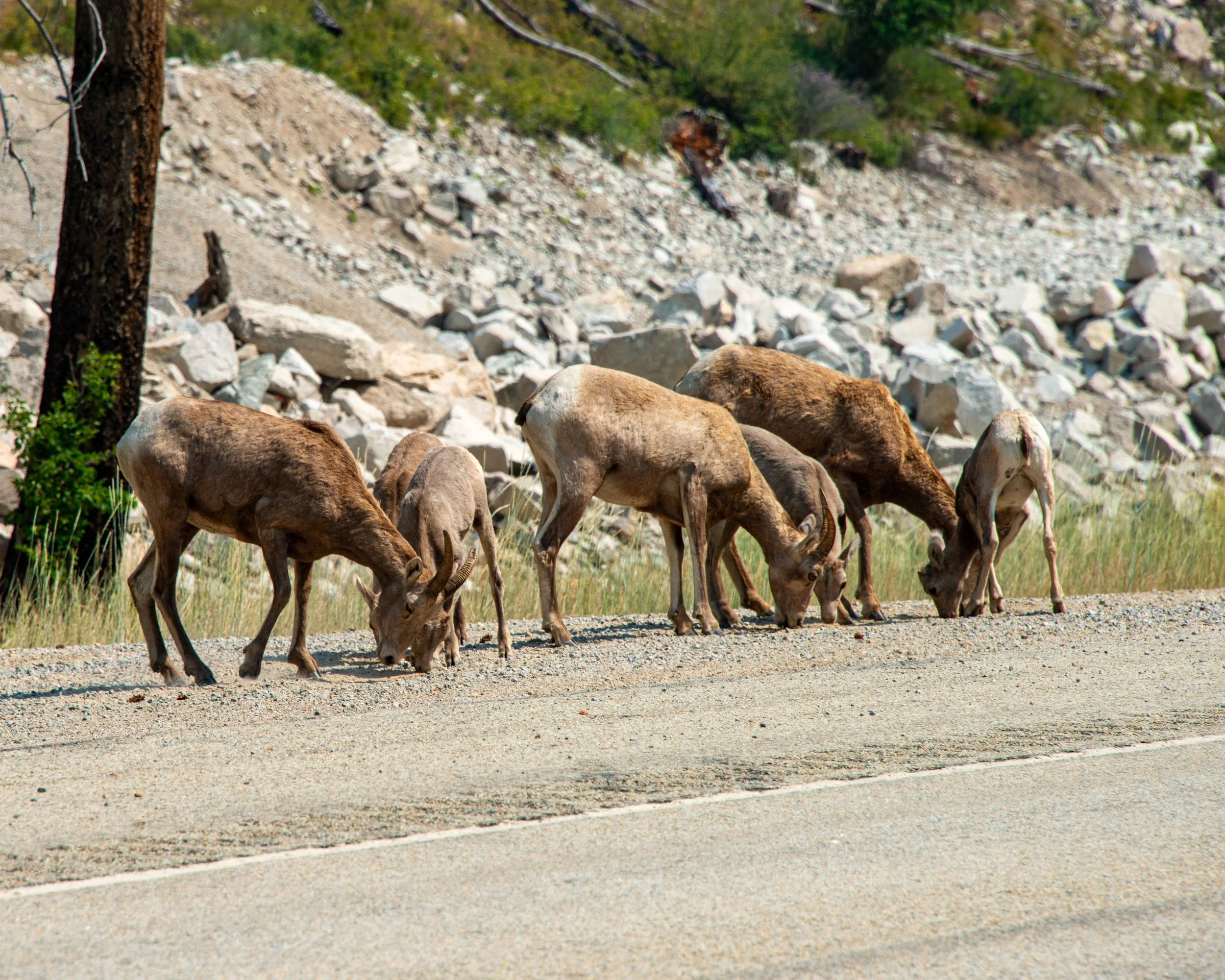
Yet every so often, a group of rams or ewes steps out of the safety of the scree and onto the blacktop, heads down, pressing their tongues directly against the asphalt and the gravel shoulders.
The Craving for Minerals
Sodium & Potassium Deficits: In spring and early summer, a bighorn’s diet shifts rapidly from dry winter forage to lush, green spring growth. This fresh grass is rich in water but extremely low in sodium, creating a severe metabolic craving for salt.
Road Salt Residue: Winter road maintenance relies on salt and de-icing compounds. The runoff sinks into the porous asphalt, gravel shoulders, and lower rock faces, turning the road edge into an artificial mineral lick.
Digestive Aid: Beyond sodium, bighorns naturally ingest small bits of grit and mineral-rich clay off the roadside rock. The tiny particles help grind tough forage inside their rumens.