Wall of Bones
Dinosaur National Monument
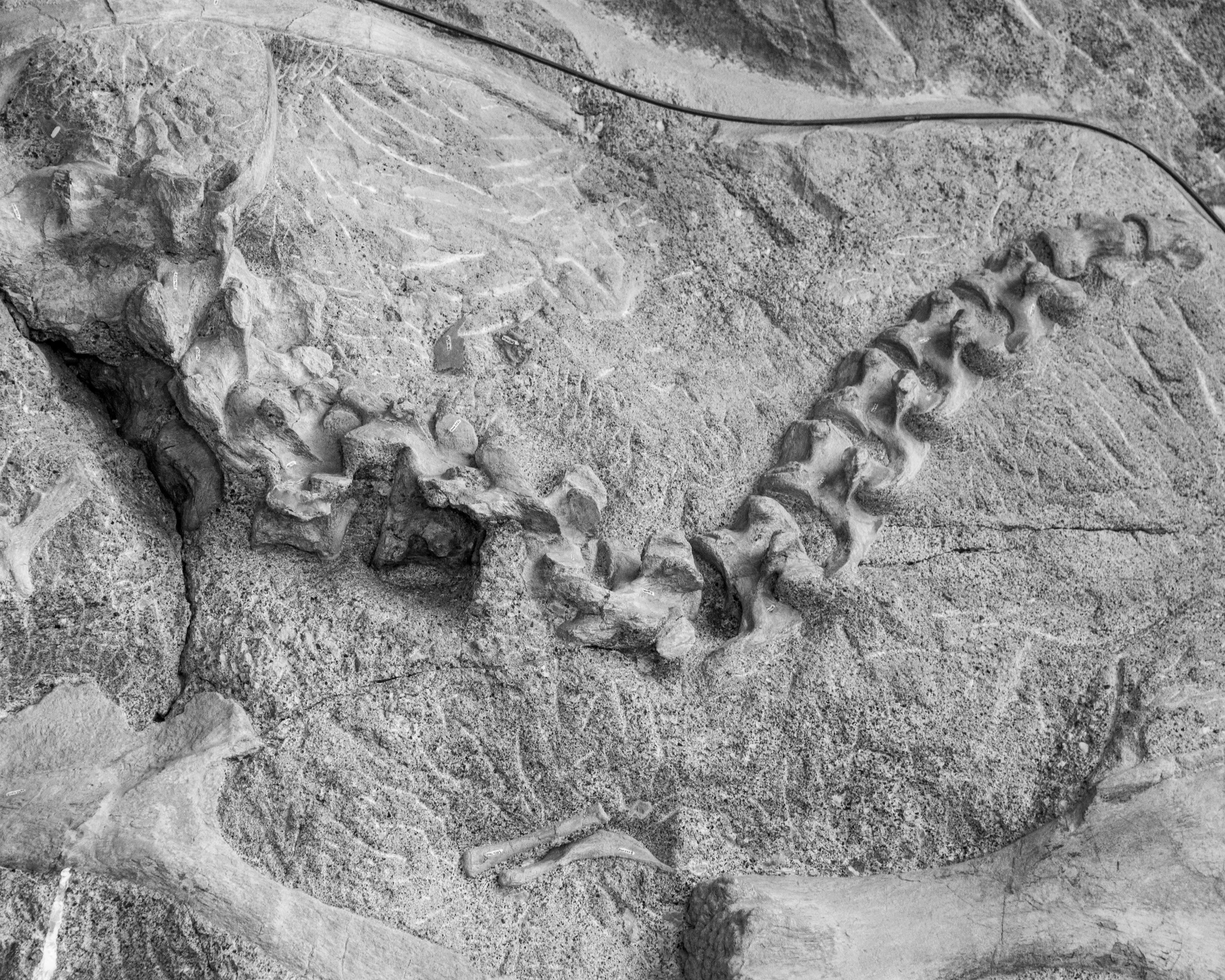
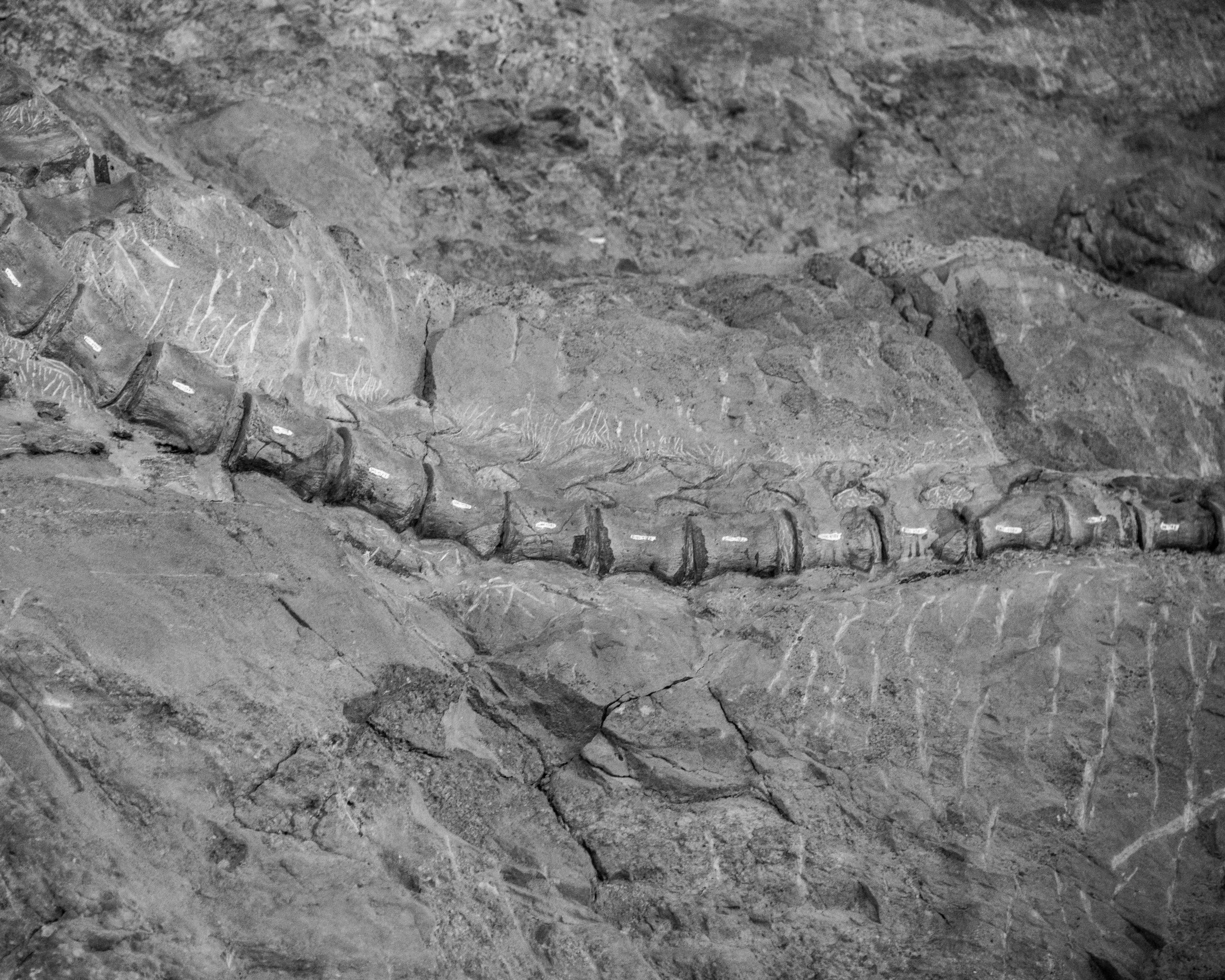
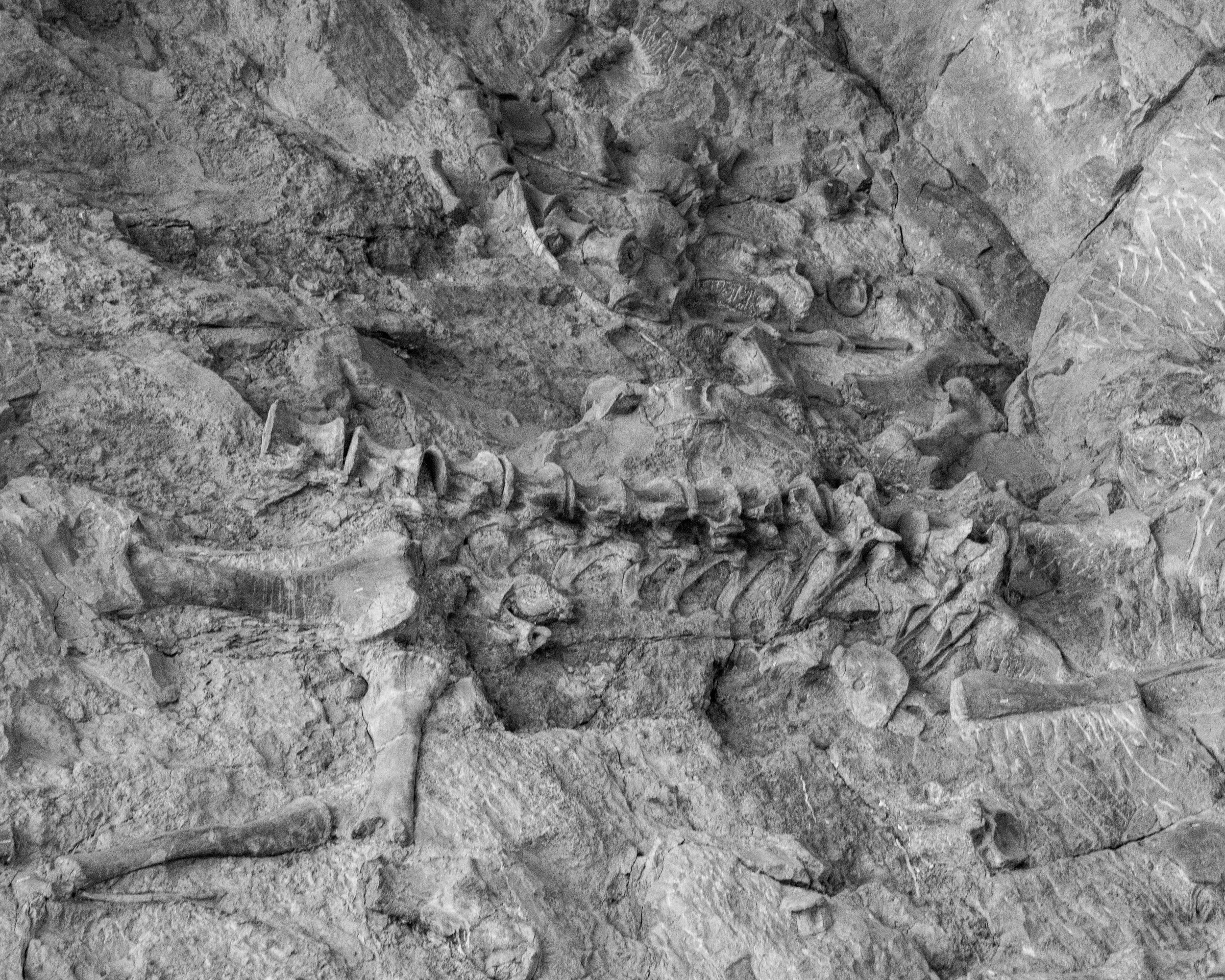
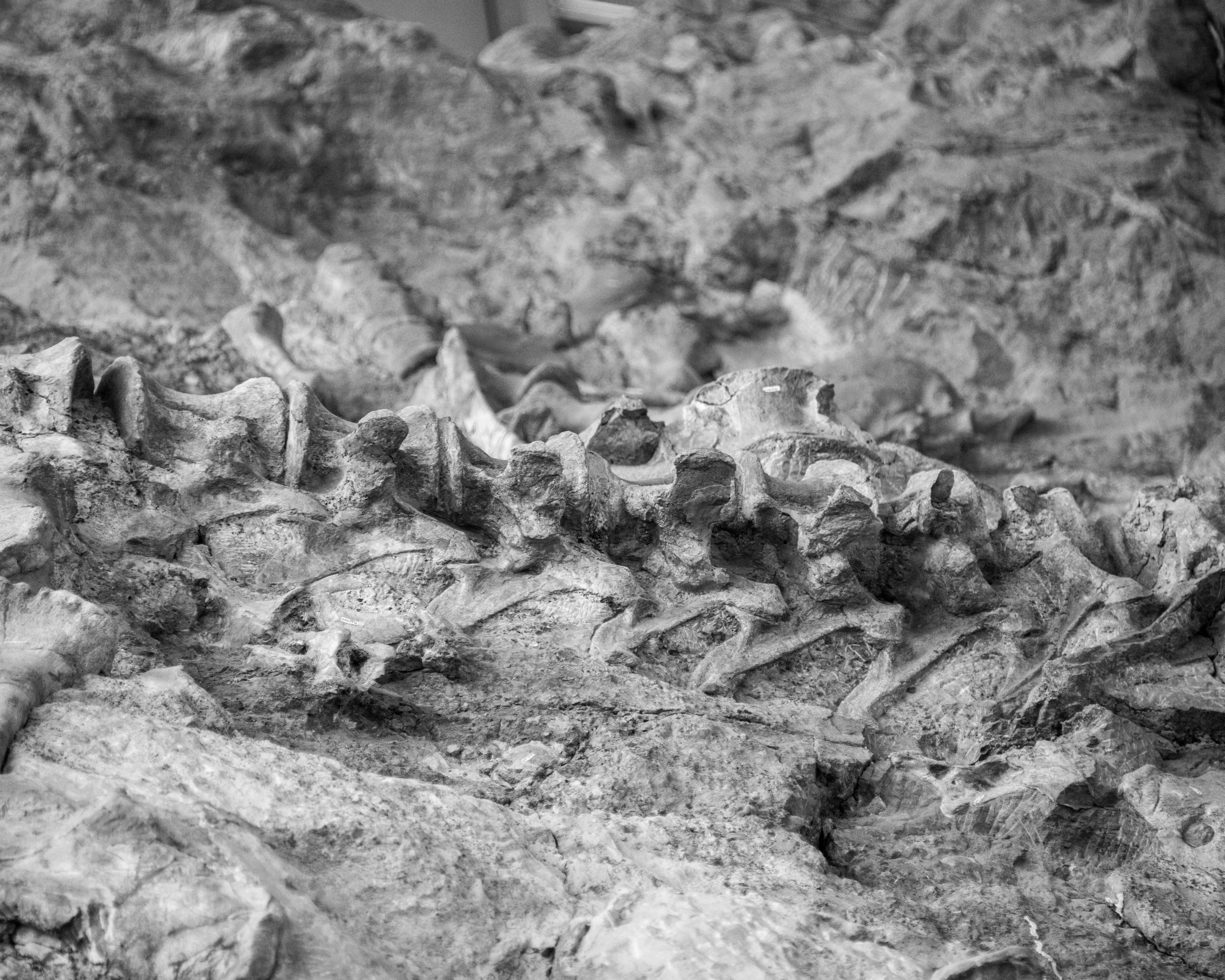
In 1909, paleontologist Earl Douglass was searching the backcountry of eastern Utah for fossilized mammals when he spotted something extraordinary jutting from a high ridge: eight massive tail vertebrae of a Apatosaurus, perfectly lined up in the rock.
Douglass knew immediately he had found something special, but his vision went far beyond simply digging up specimens to ship back to the Carnegie Museum in Pittsburgh. As the years of painstaking excavation revealed a colossal, concentrated graveyard of Jurassic life, Douglass fought for a radical idea.
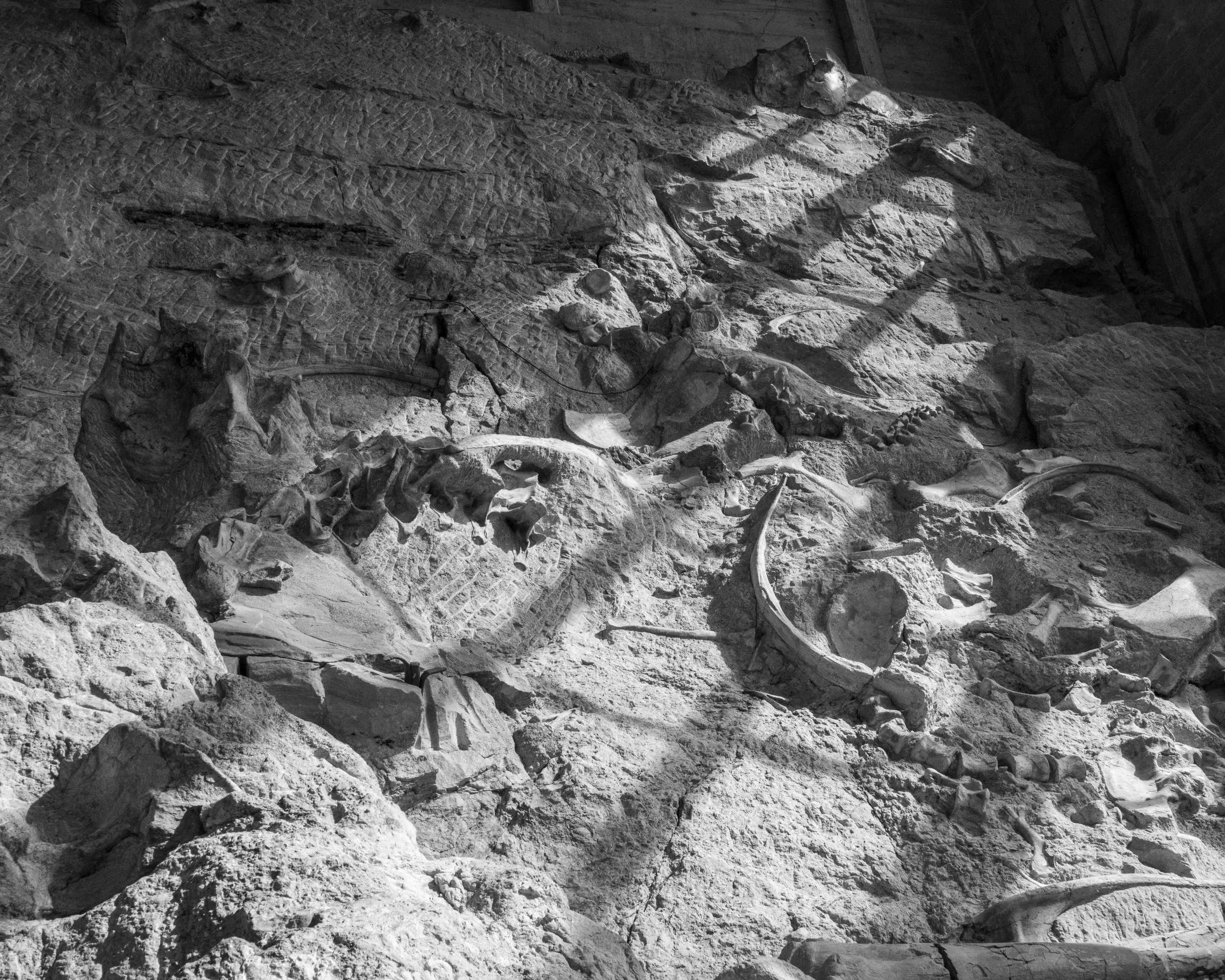
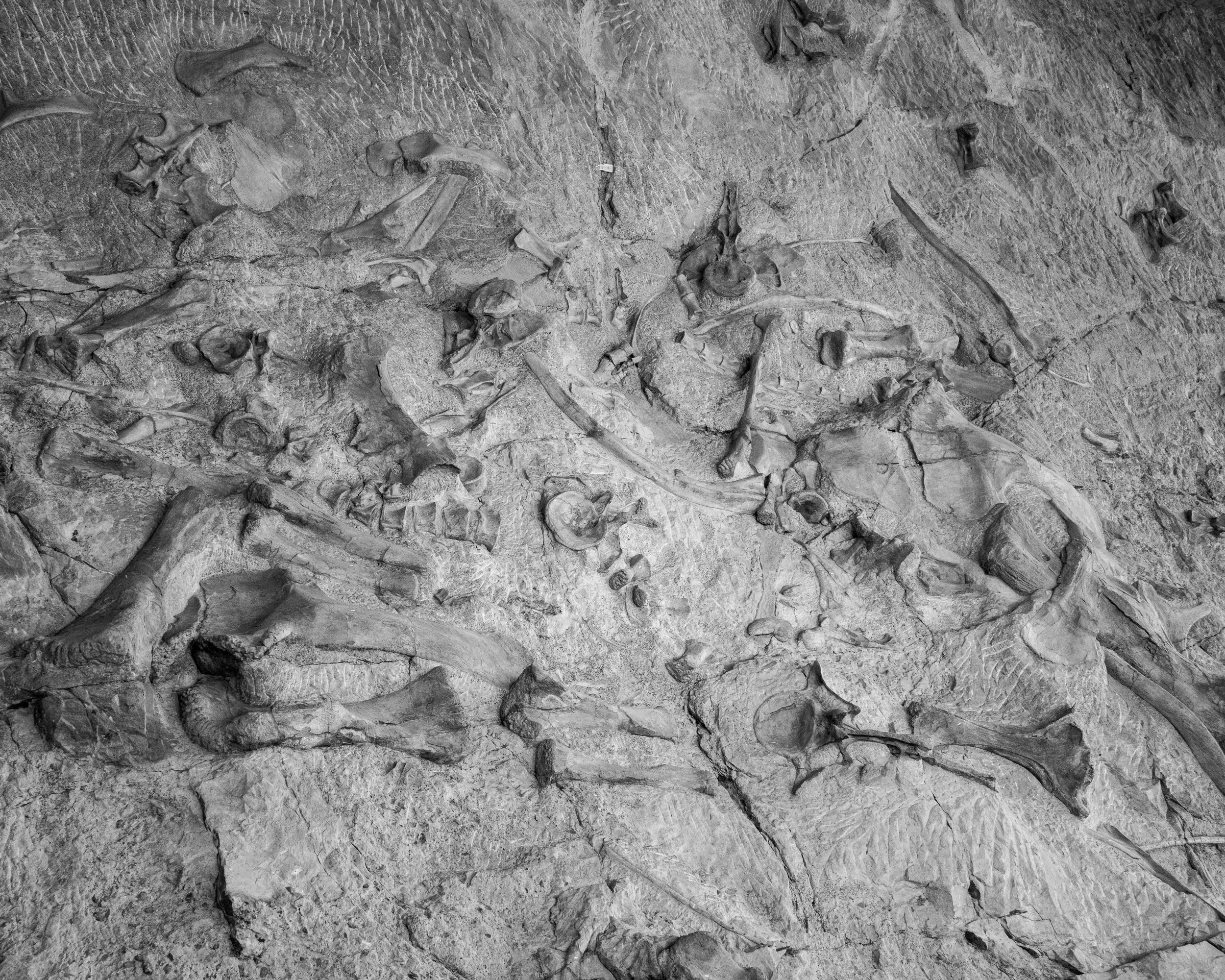
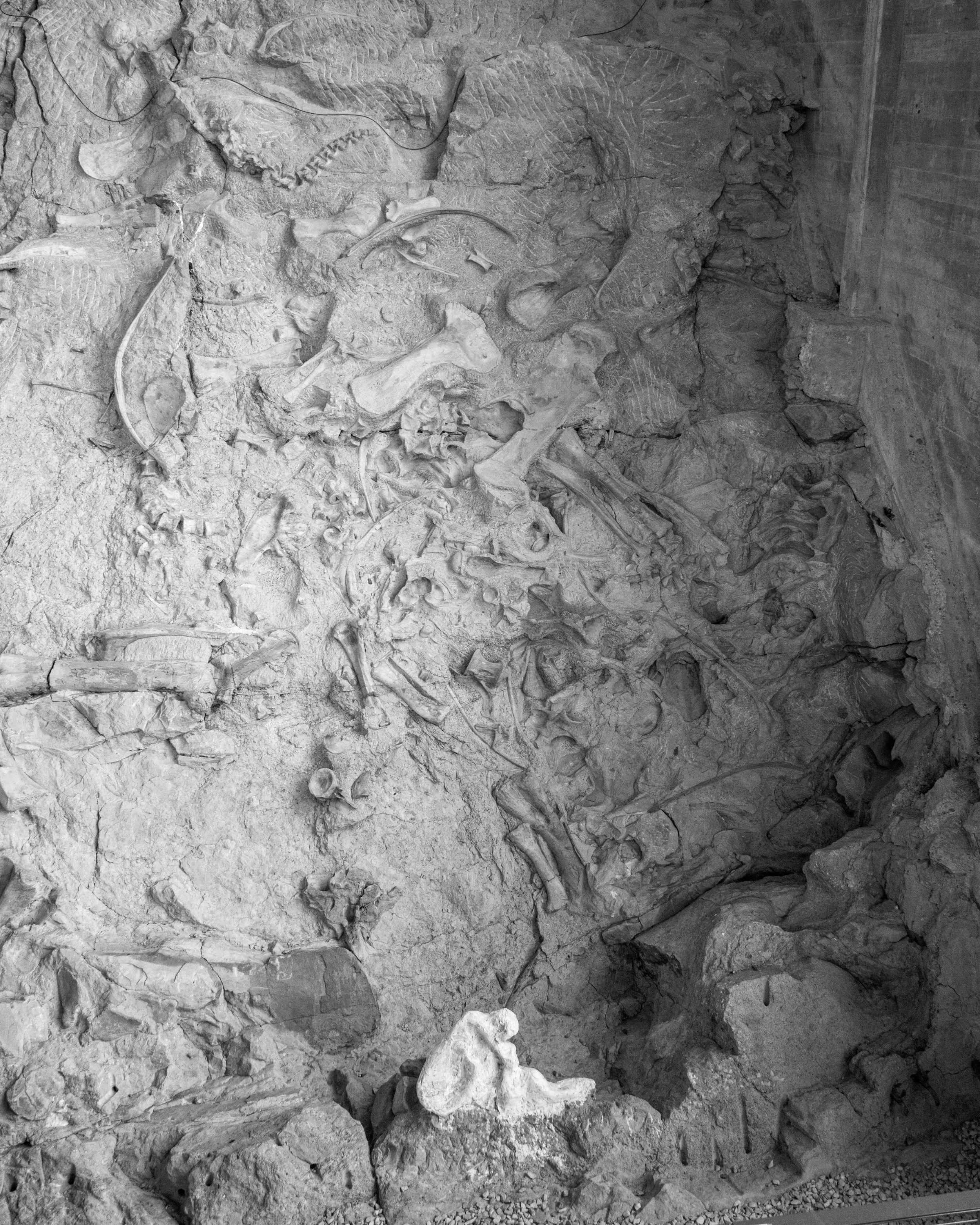
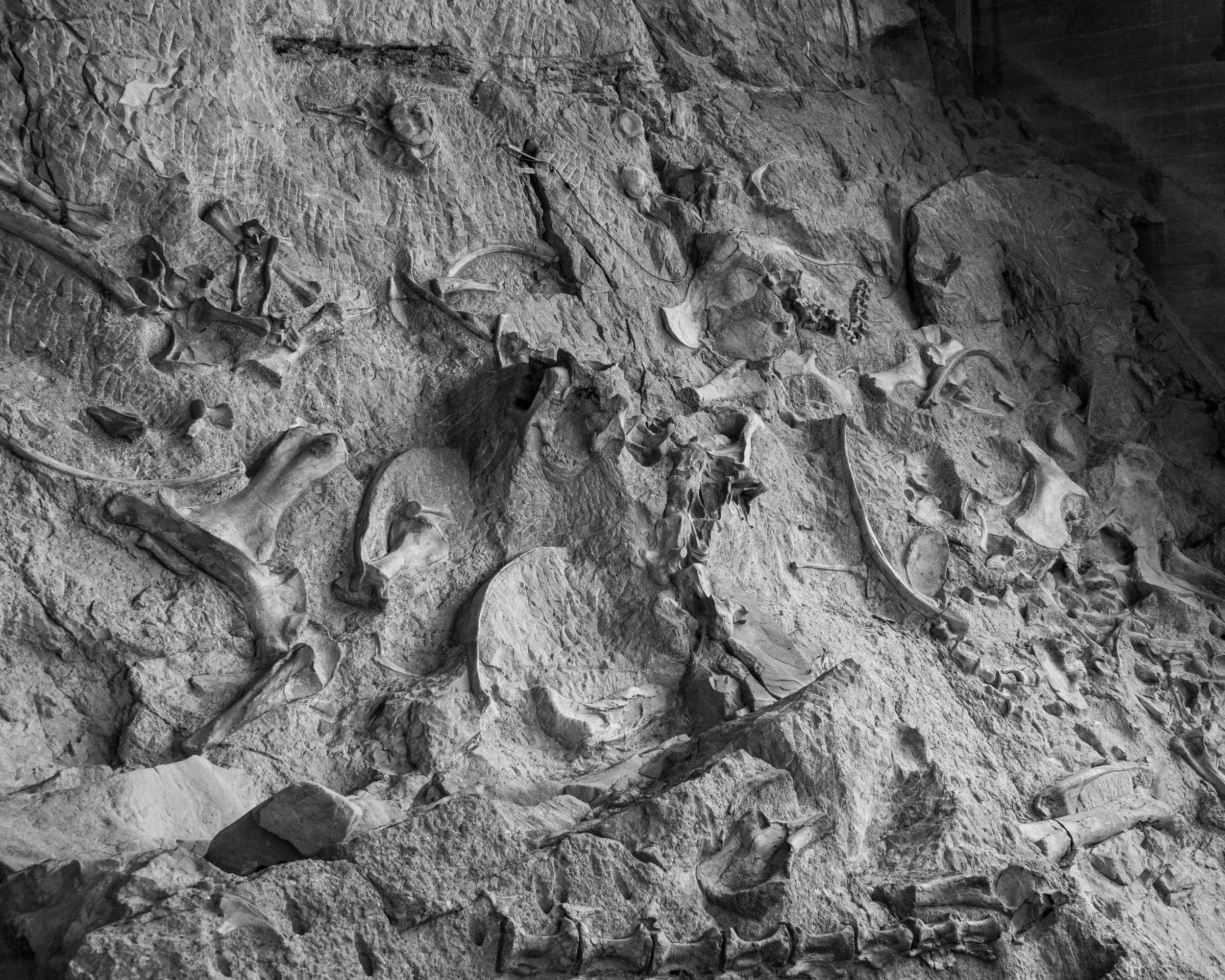
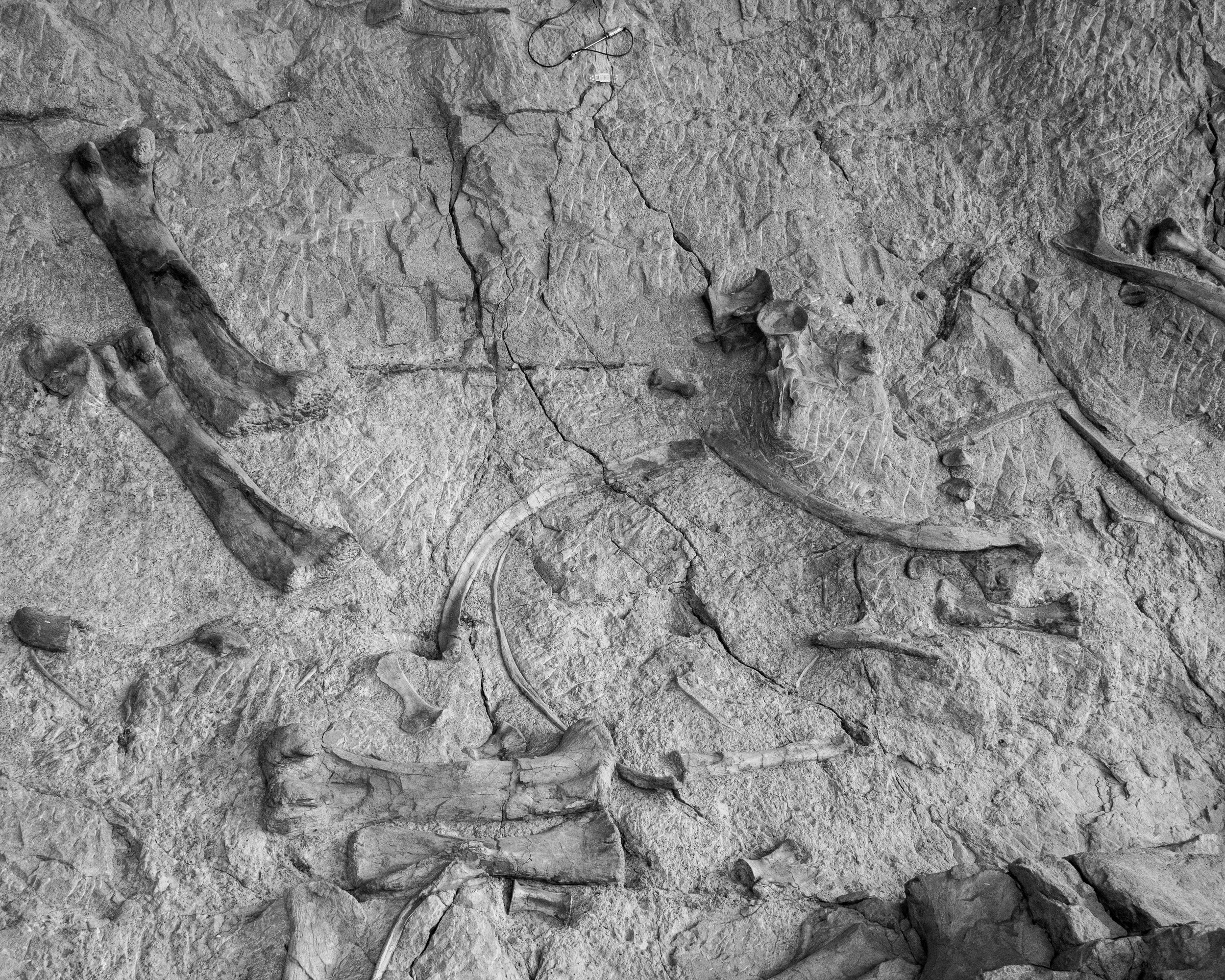
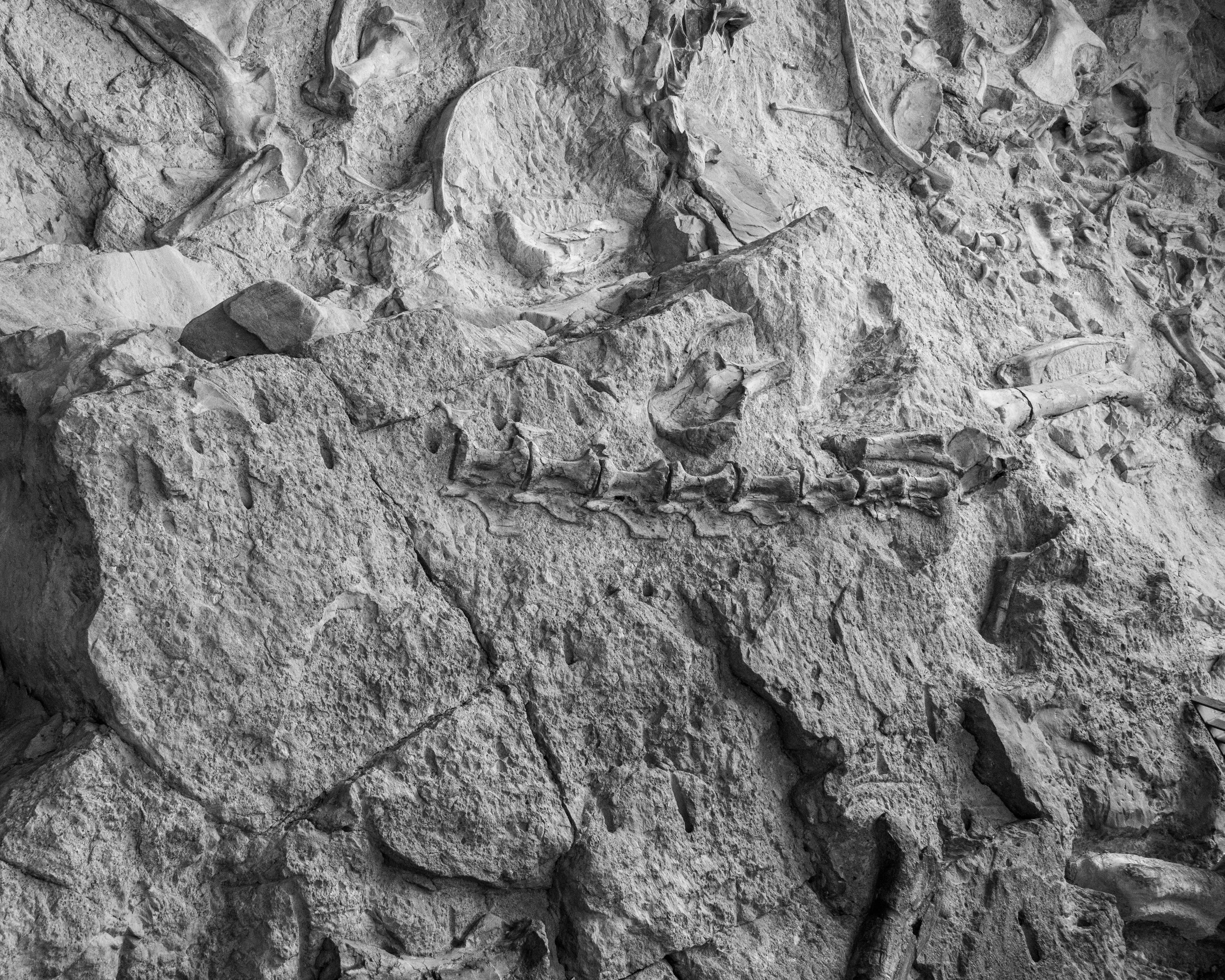
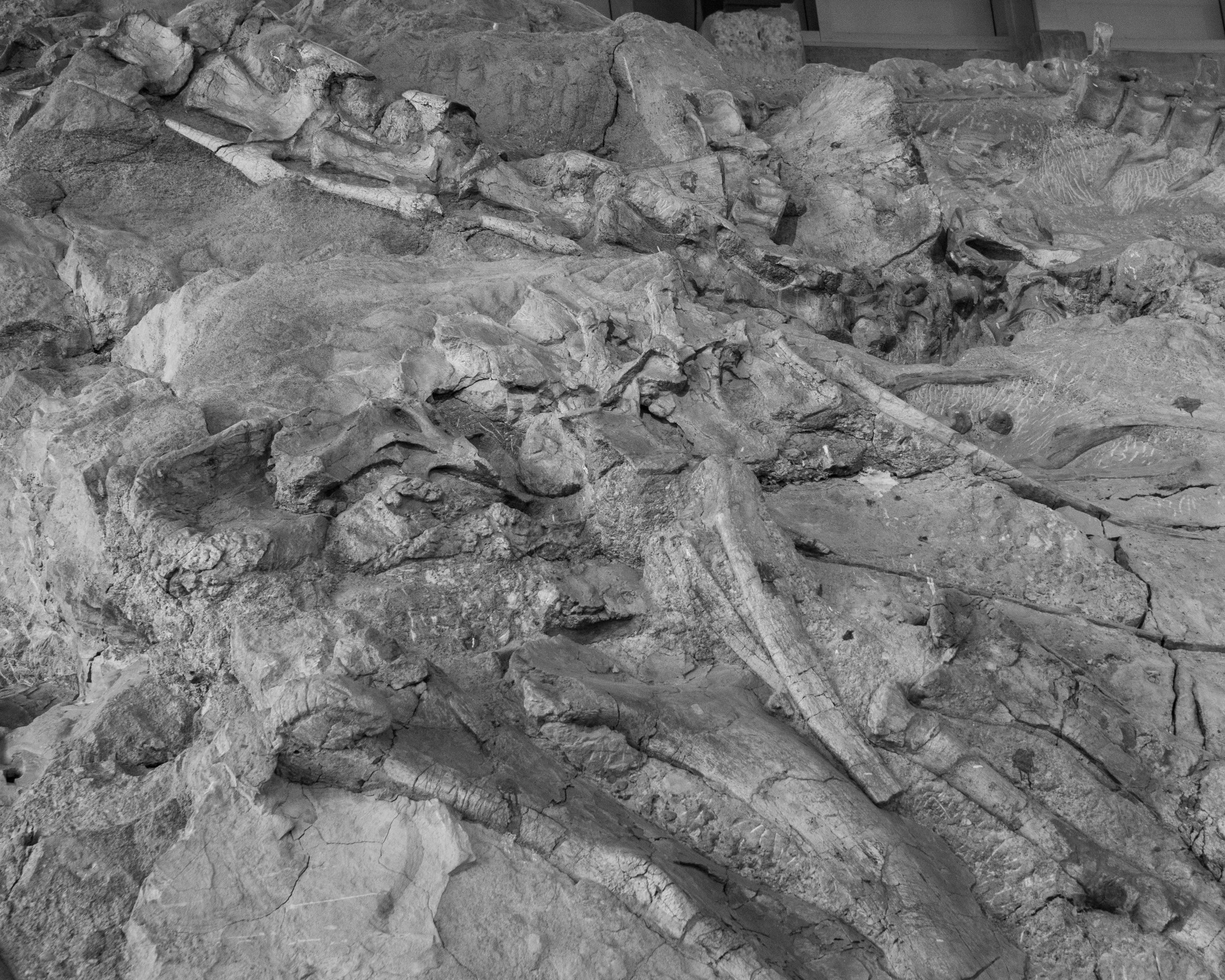
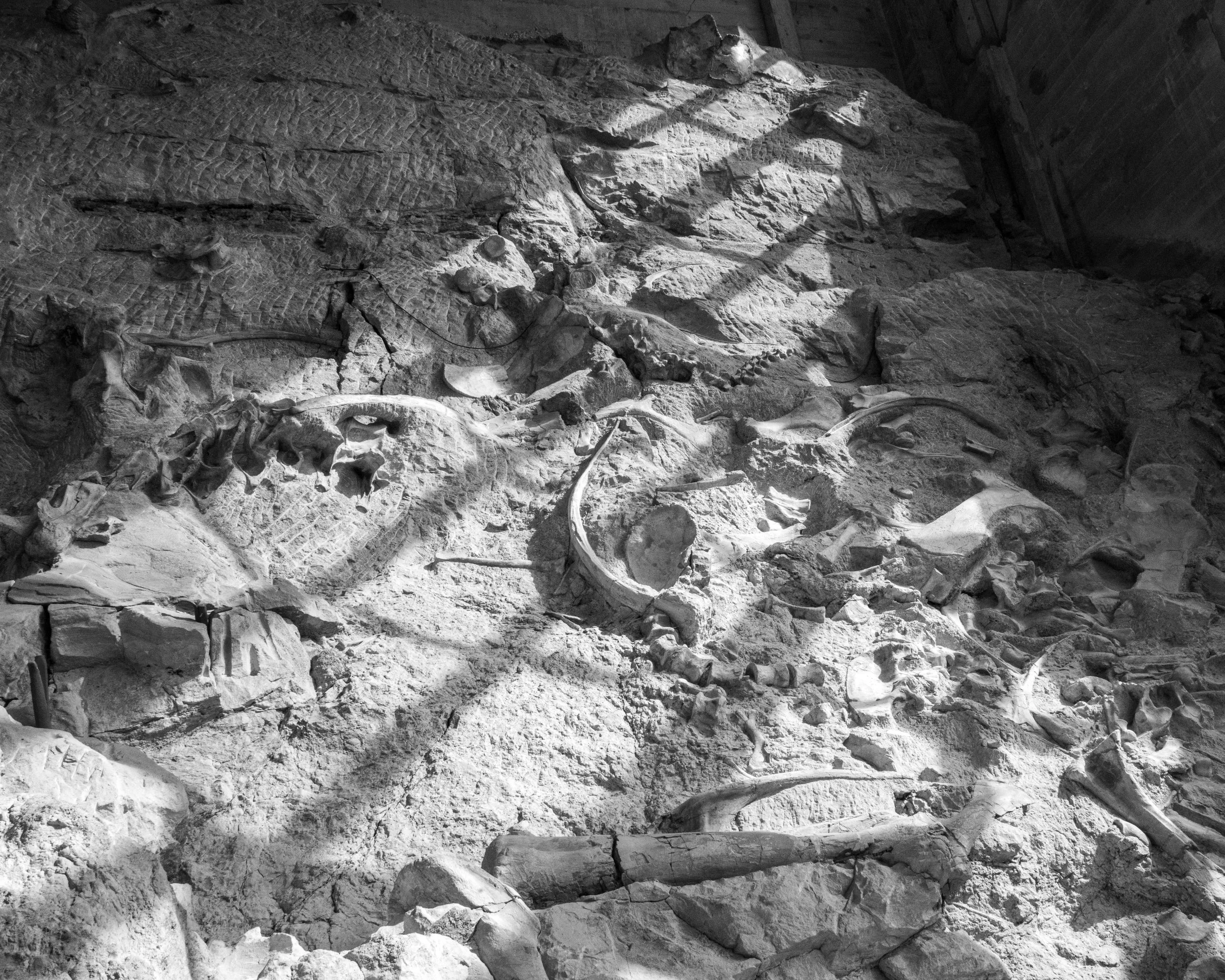
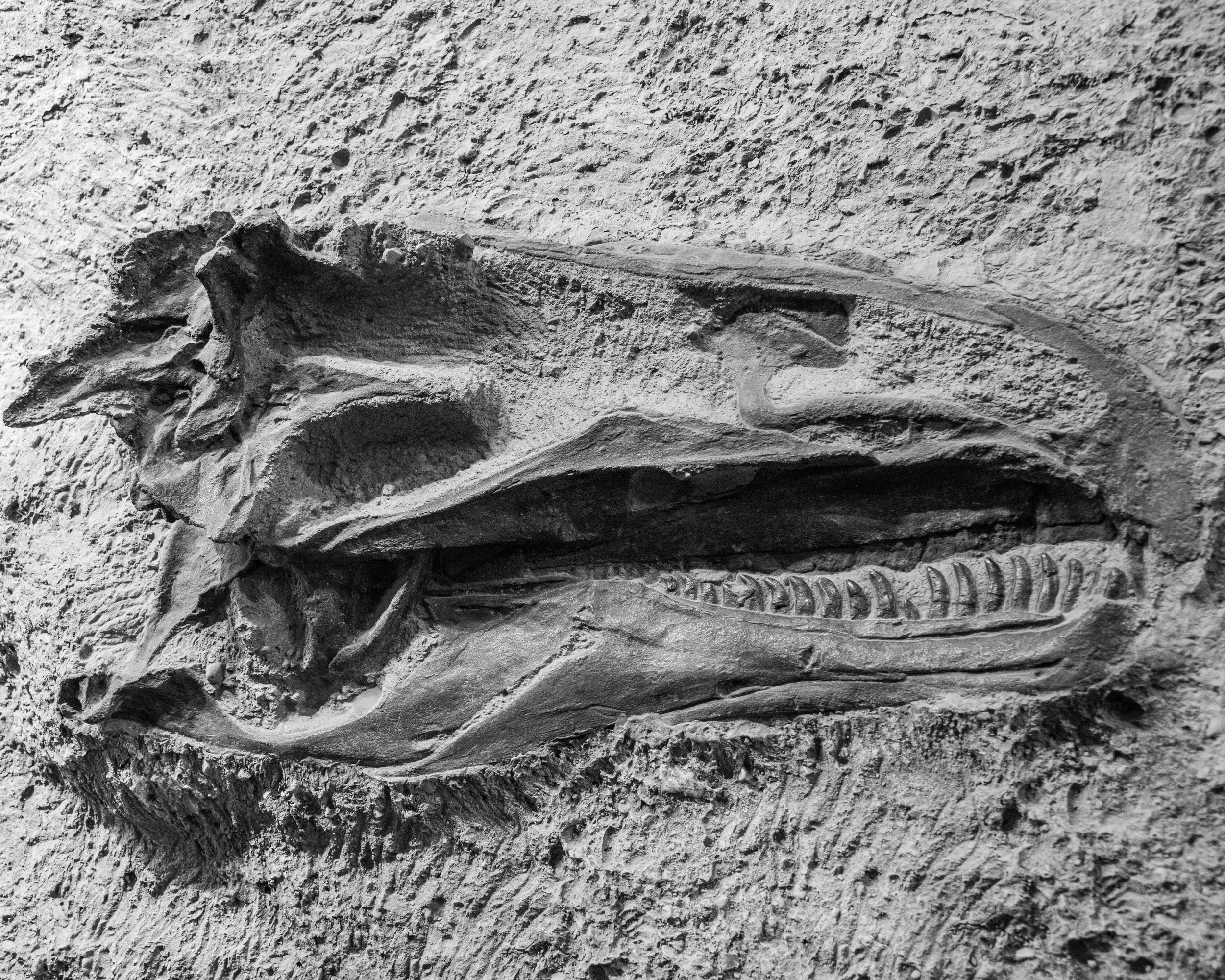
Instead of stripping the cliff bare and leaving an empty quarry behind, he envisioned preserving the rock face in place—leaving the bones embedded in the natural sandstone matrix where they were deposited millions of years ago. He wanted visitors to see the fossils as nature left them, an in-situ time capsule carved into the landscape.
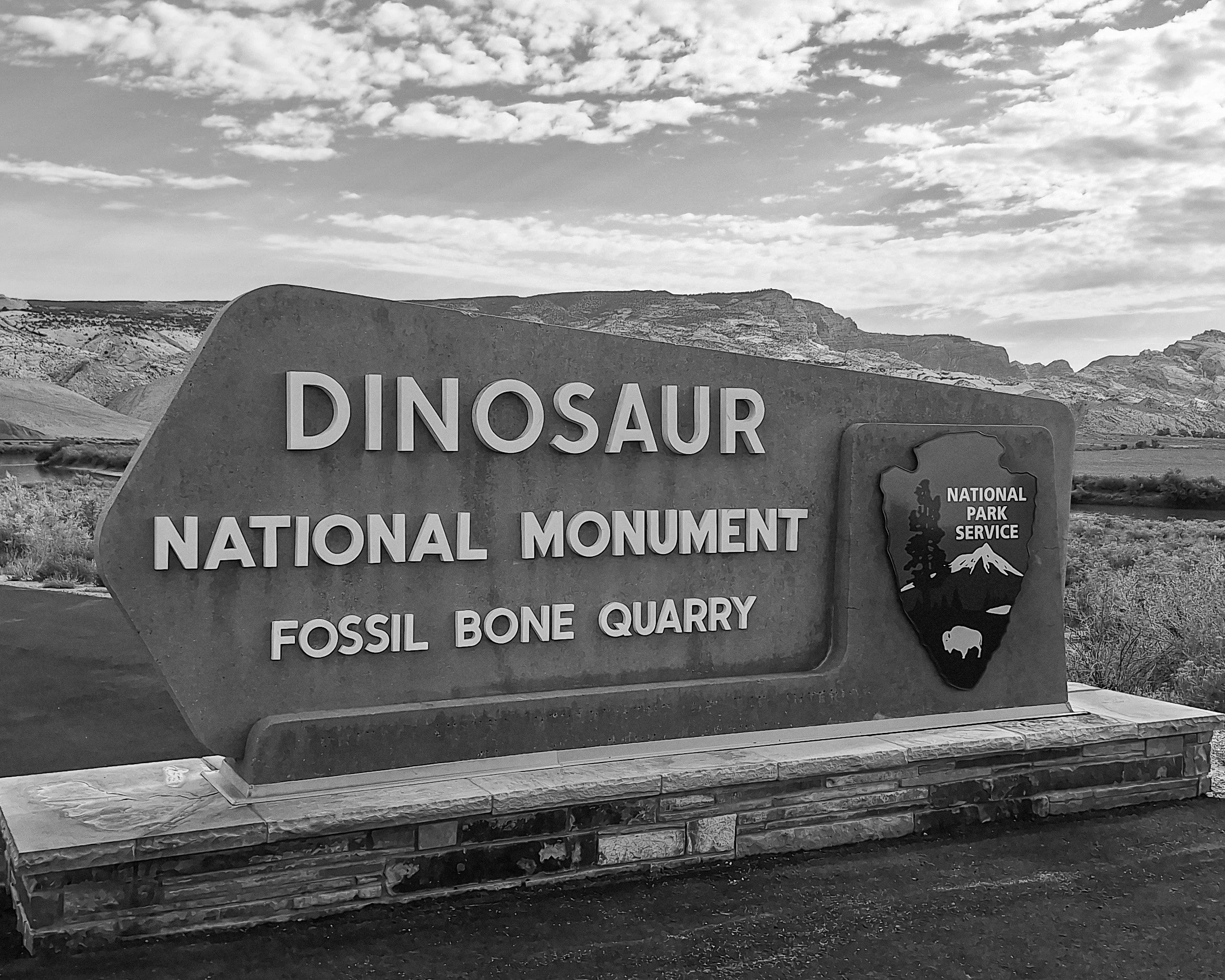
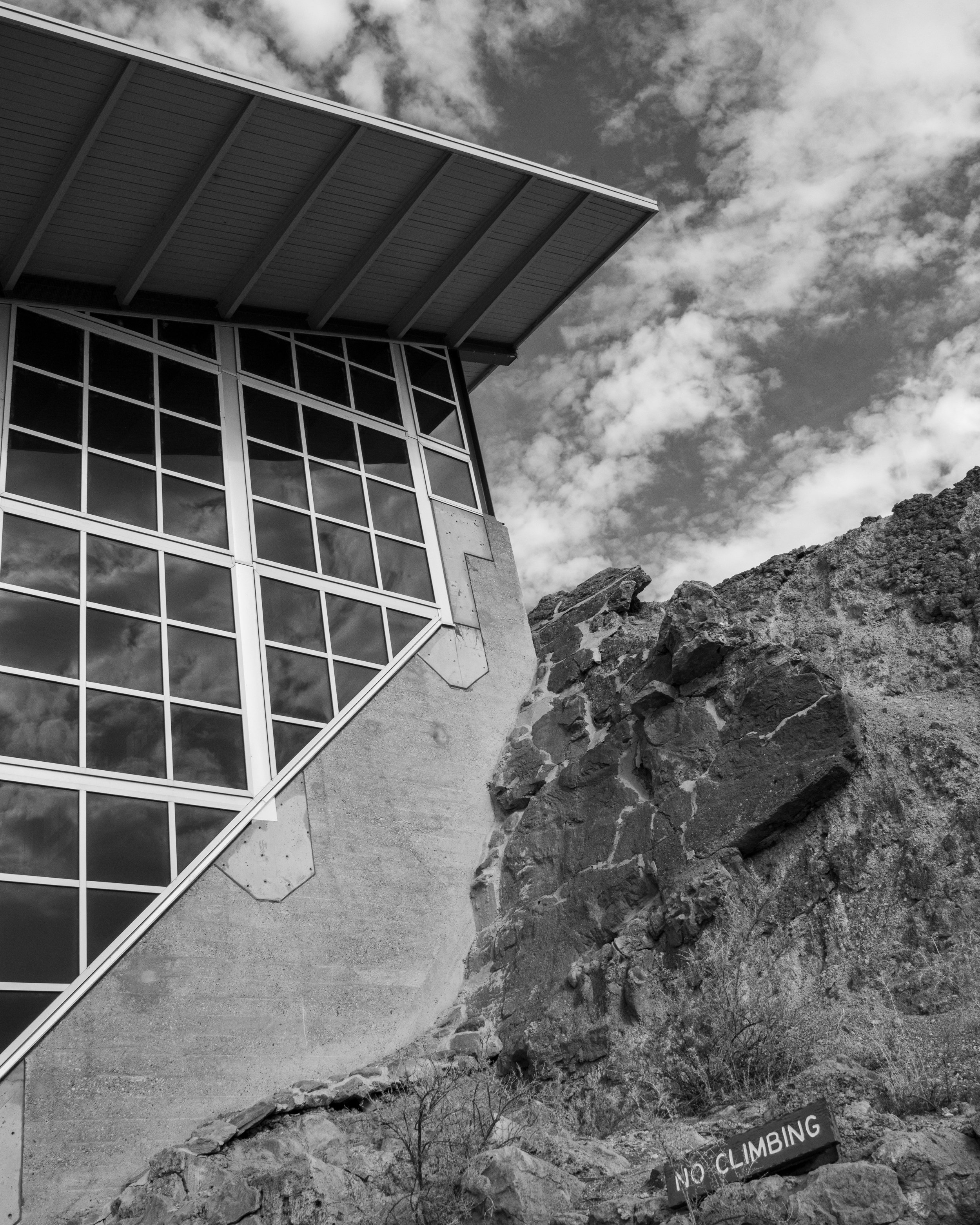
In 1915, his vision was secured when President Woodrow Wilson declared the site Dinosaur National Monument. Decades later, the Quarry Exhibit Hall was built directly over the cliff face, turning Earl Douglass’s dream into the permanent wall of stone and bone standing today.Some stories are told with light, not color.
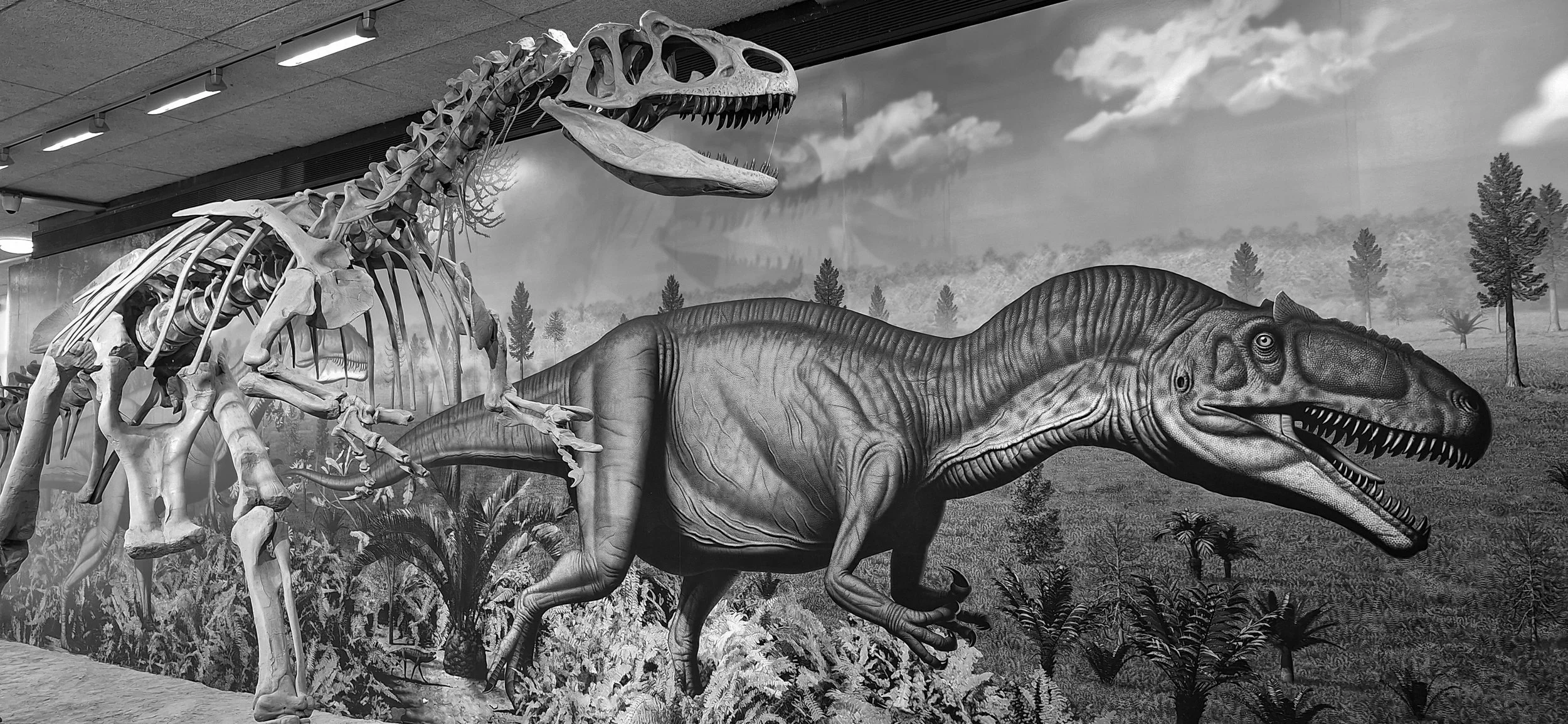
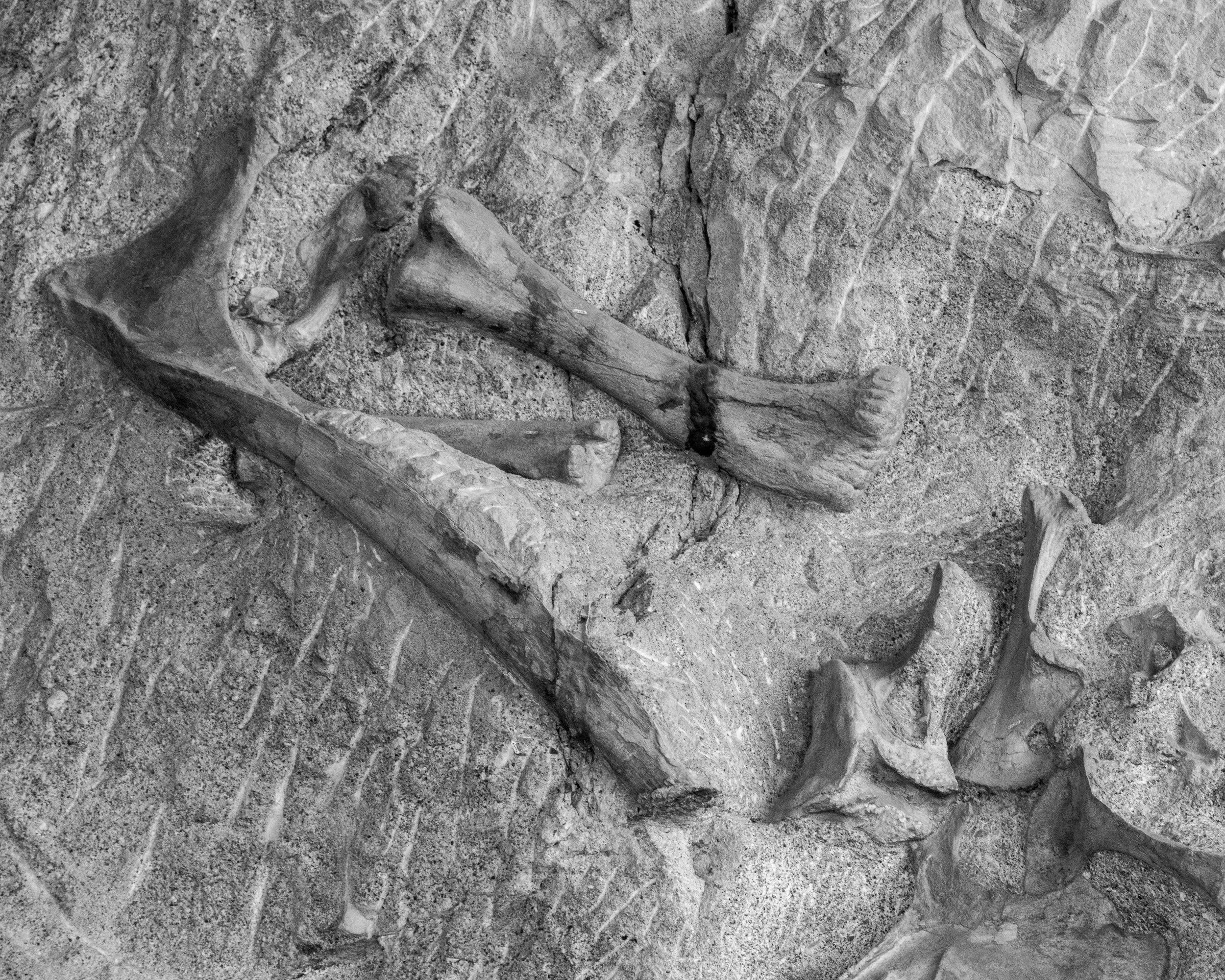
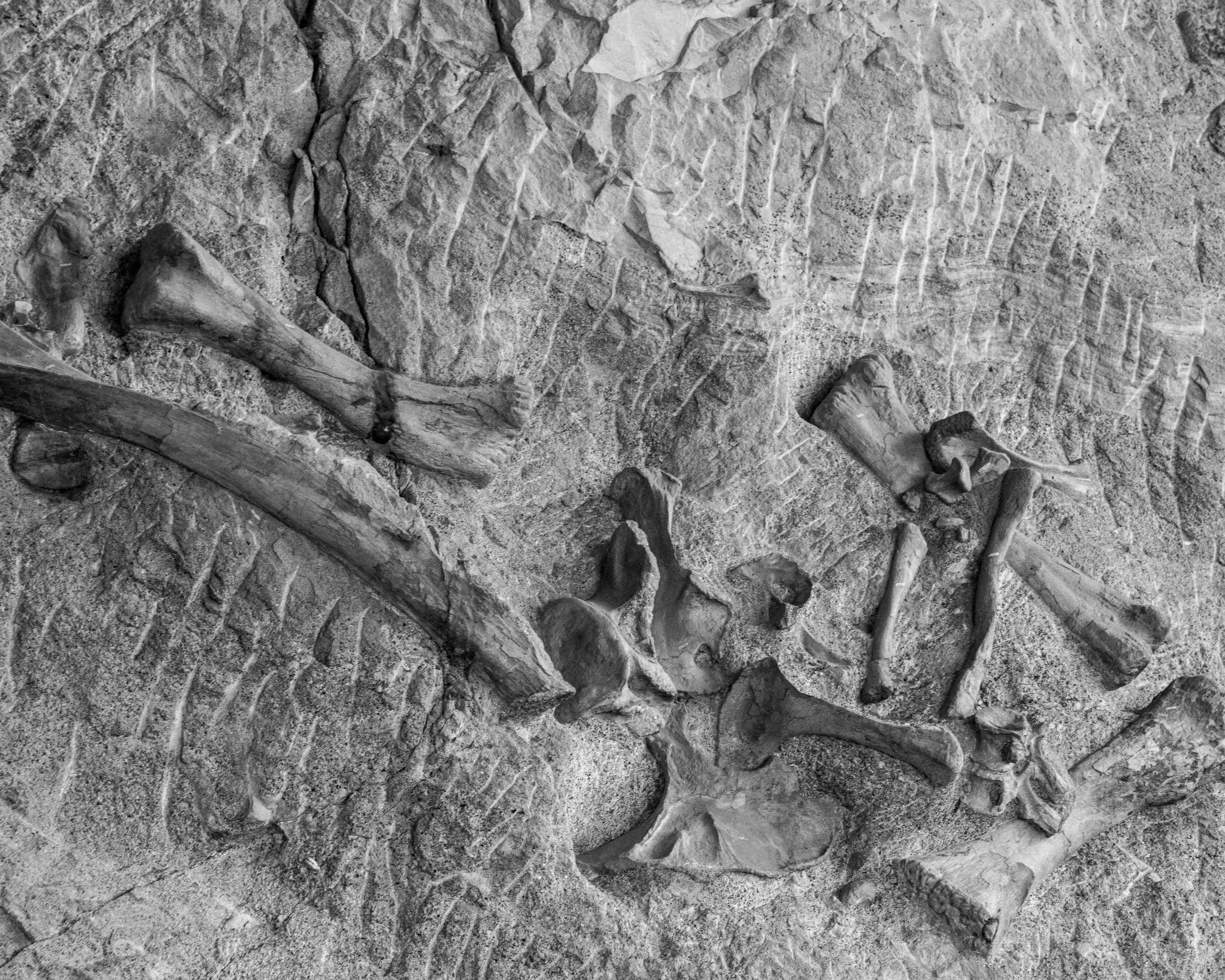
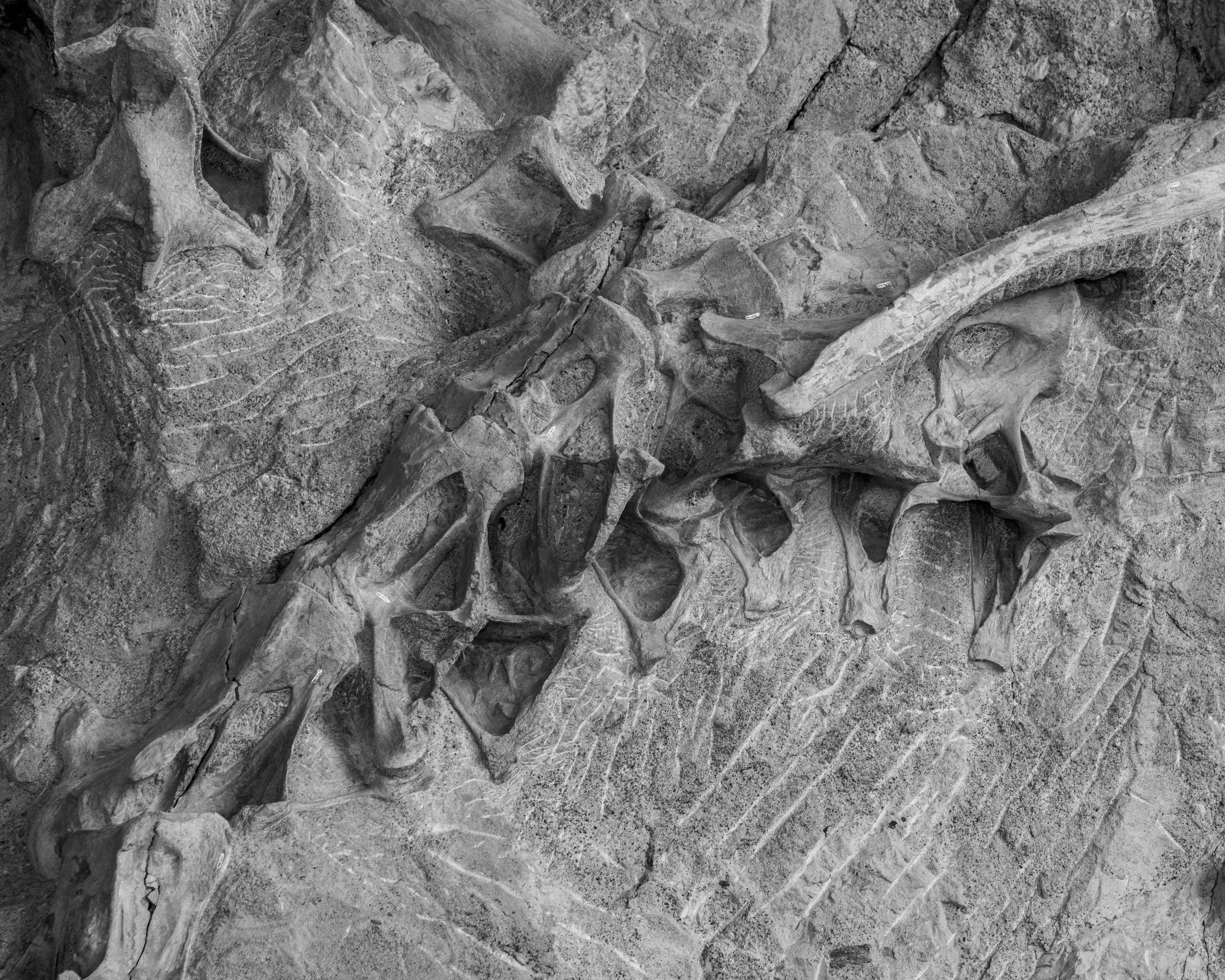
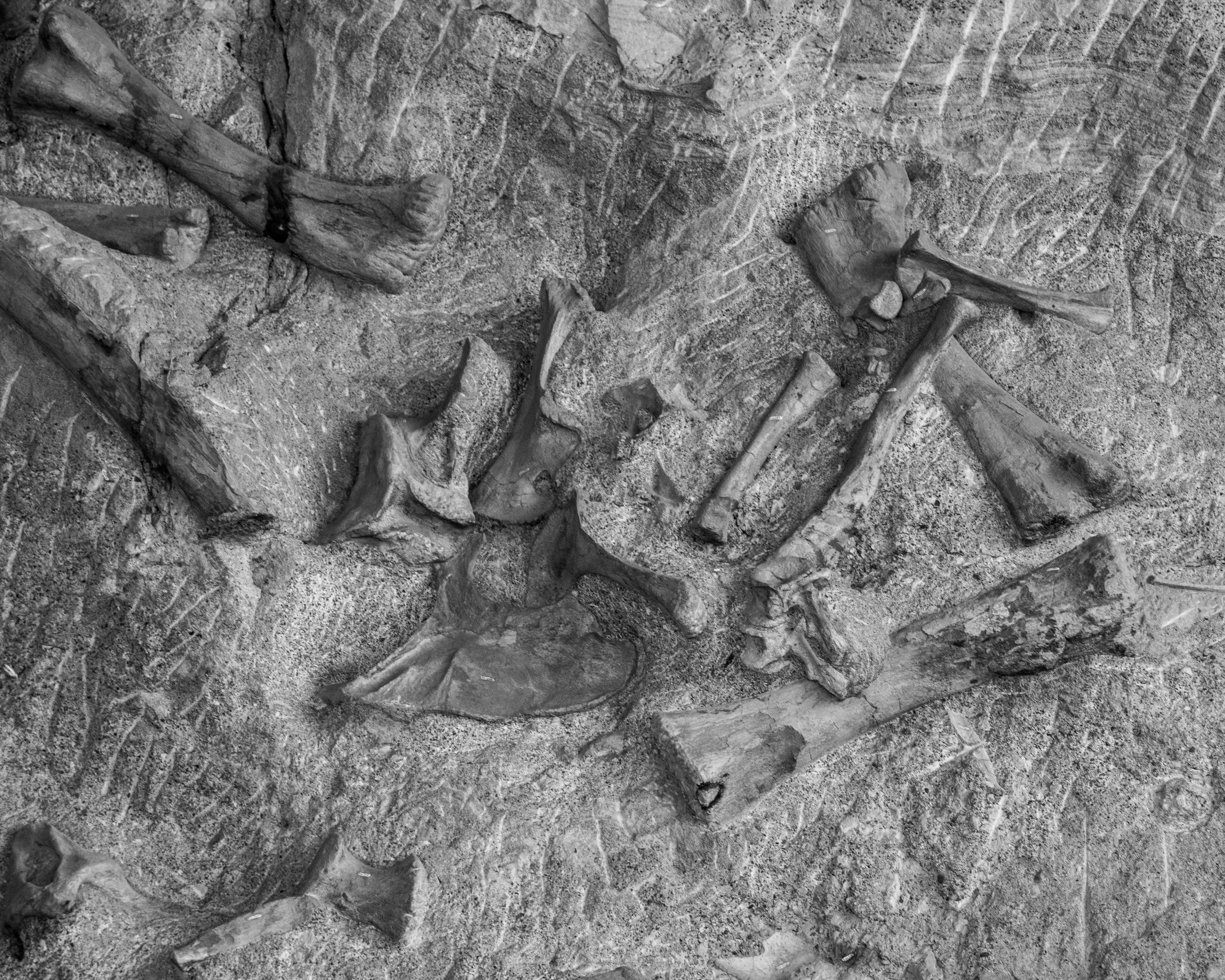
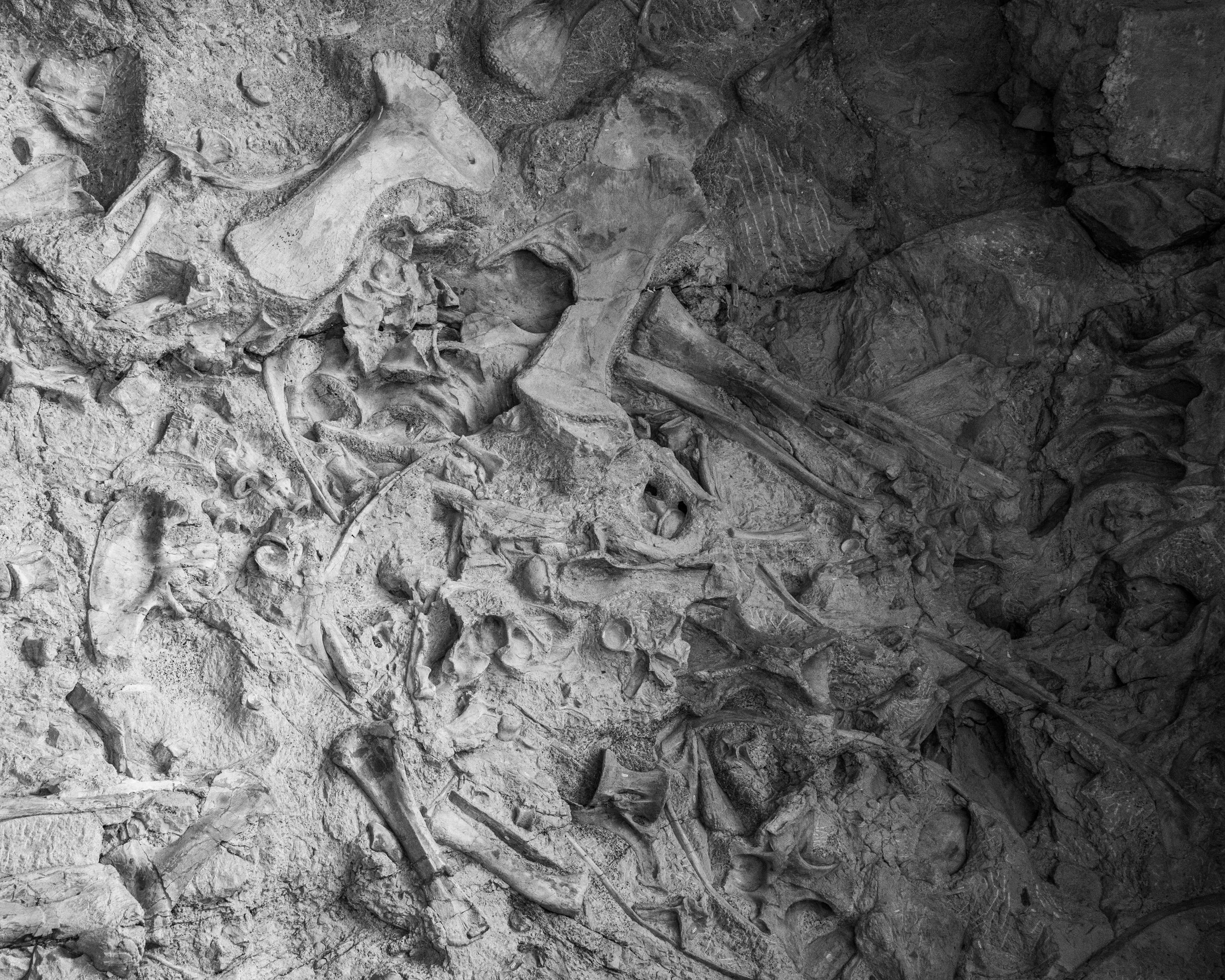
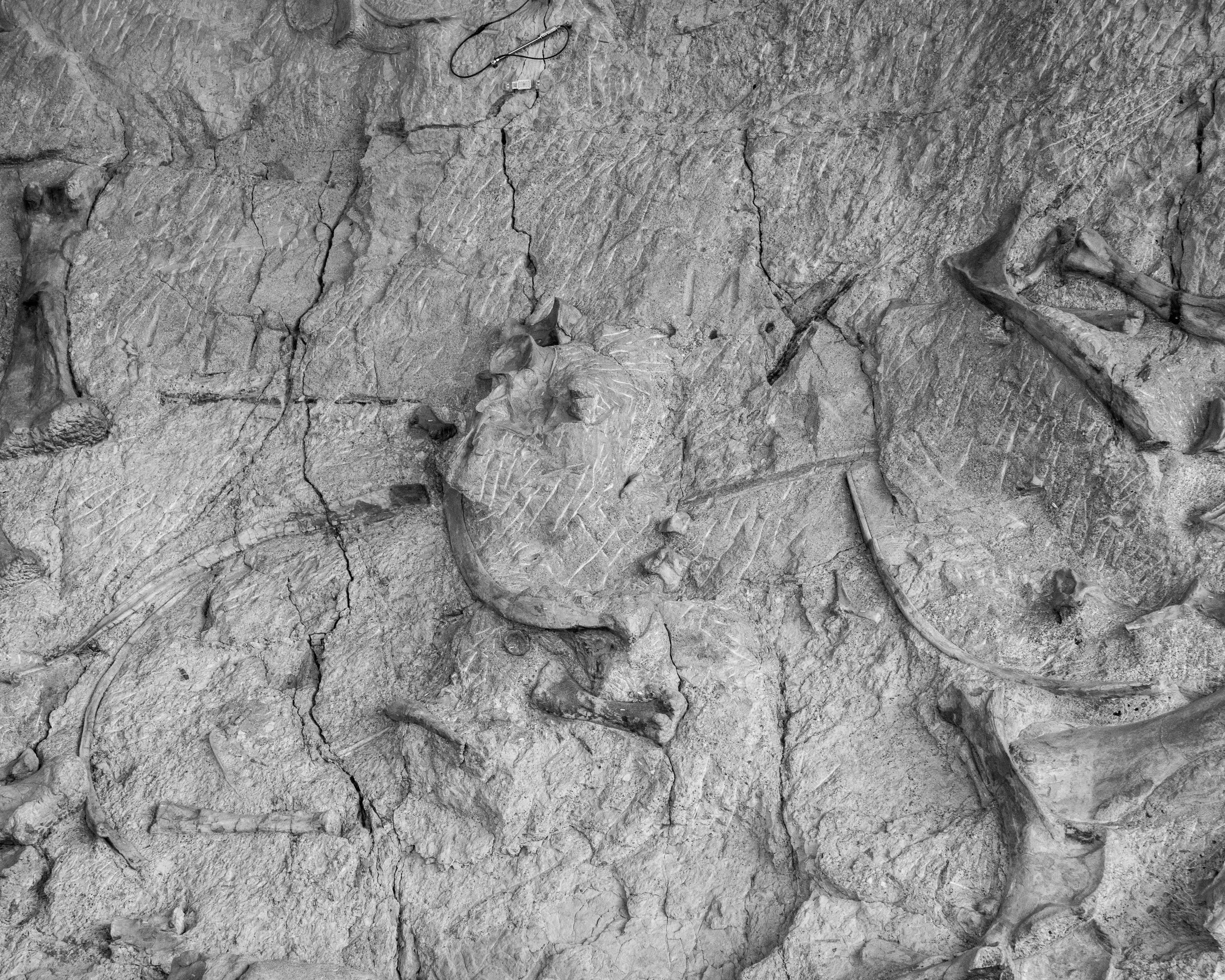
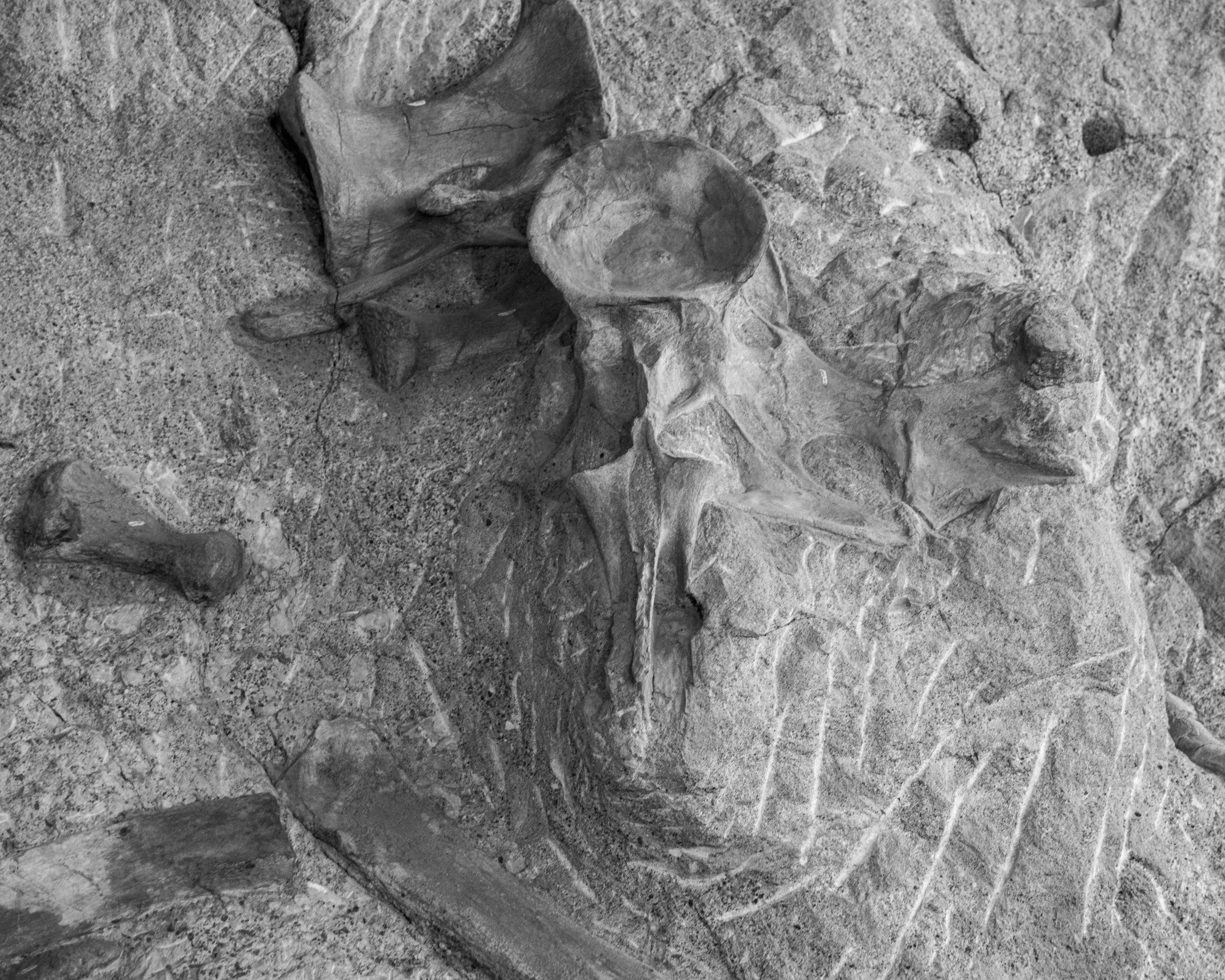
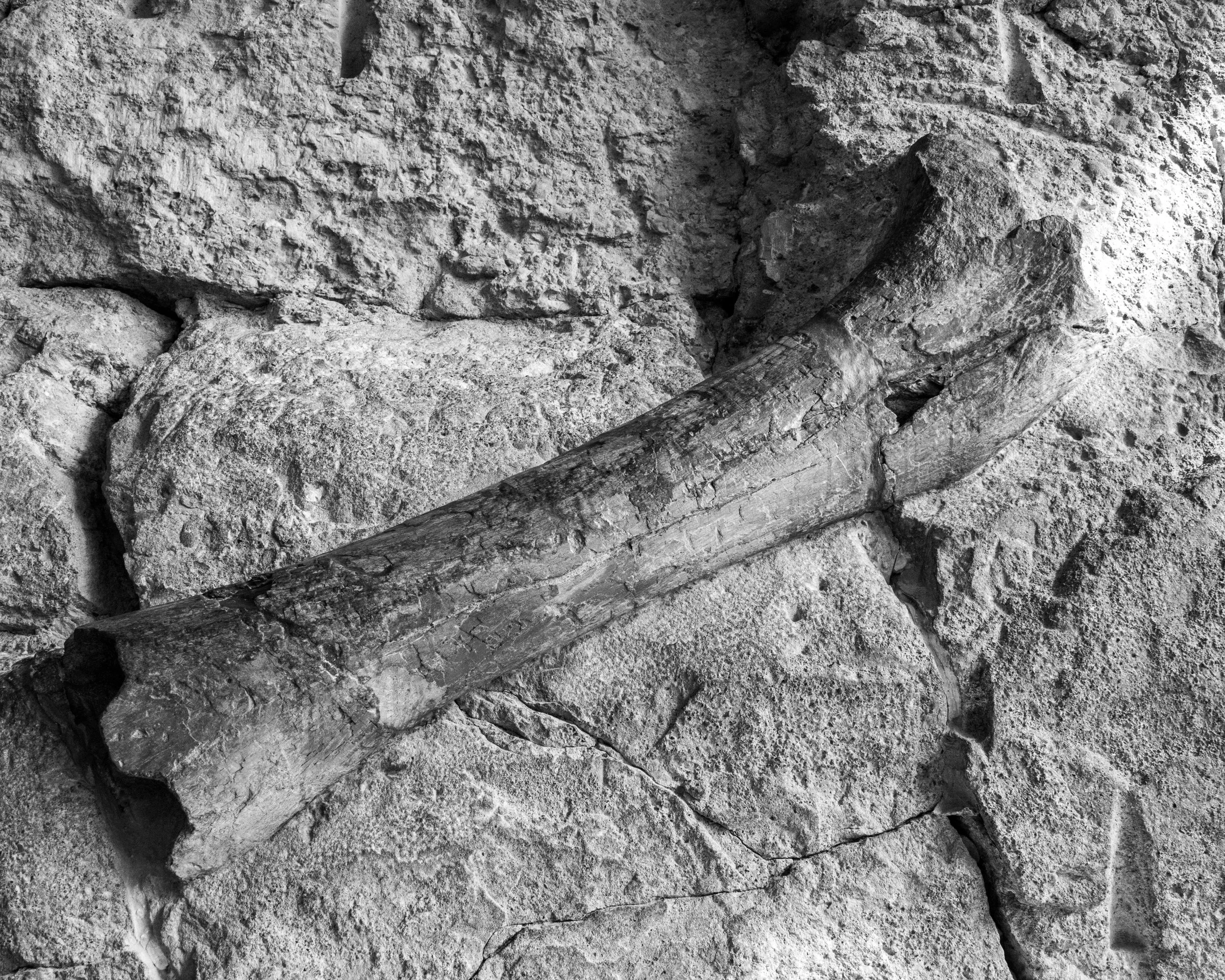
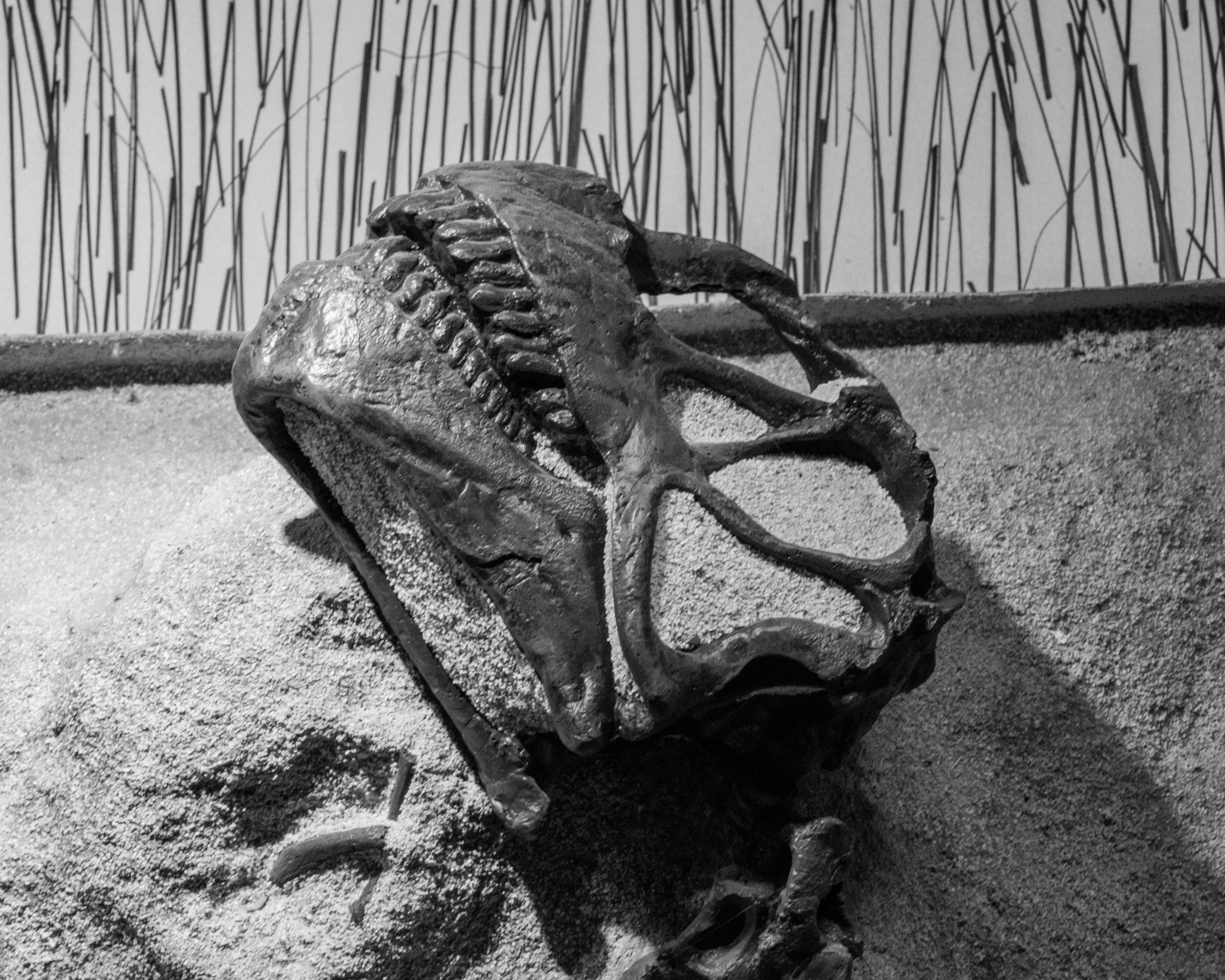
In the Quarry Exhibit Hall, surrounded by 149 million years of tangled history, the warm museum tones simply faded away. What was left was pure structure: the harsh arc of a sauropod rib, the heavy shadow beneath a spine, the raw grain of ancient riverbed turned to stone.
Stripping away the color forces the eye to do the work—to follow the lines, feel the weight, and trace the sheer density of fifteen hundred fossils locked in the rock face.
The wall doesn't need color to demand your attention. It just needs you to look closely.