The Galloping Goose
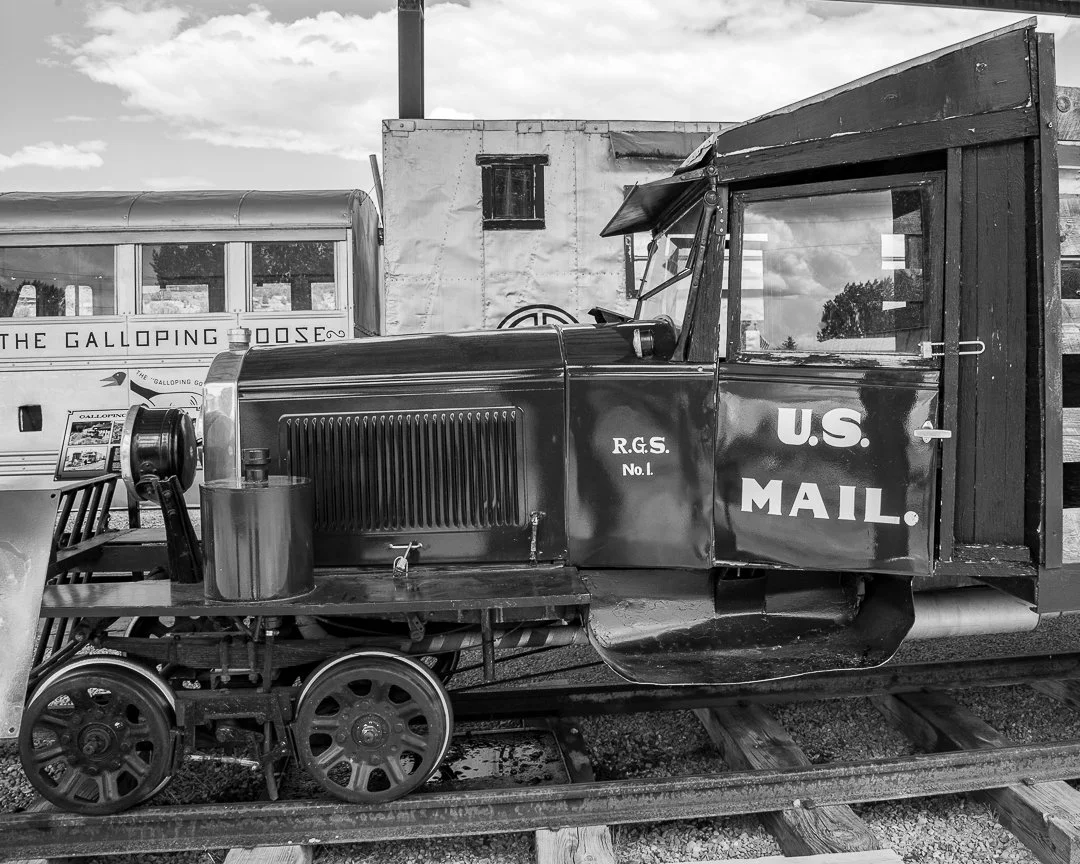
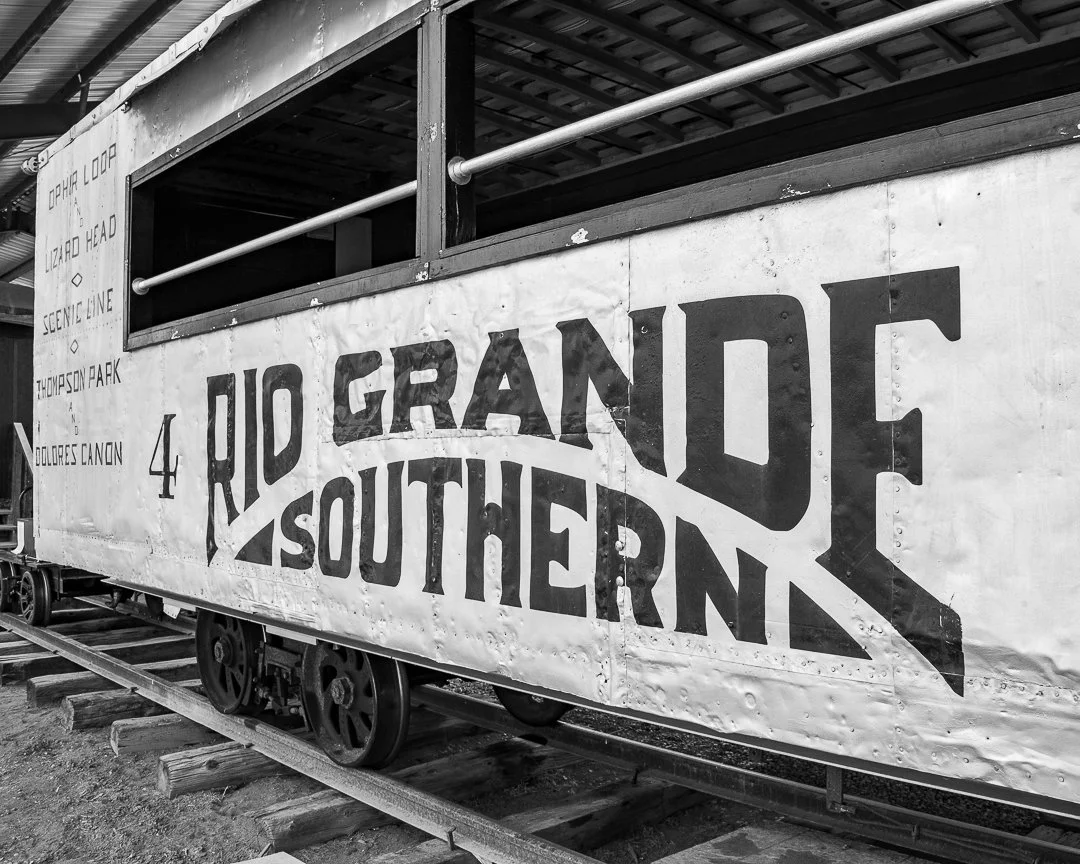
The privately-owned Rio Grande Southern Railroad (RGS), which ran over 160 miles through the rugged San Juan Mountains of southwest Colorado, was struggling financially in the early 1930s due to declining mining activity and competition from new public roads. It cost the railroad approximately $250 a day to run a full steam locomotive, which required a crew of four people, to carry minimal passengers and freight. To survive and keep its essential U.S. mail contract, RGS management devised a brilliant cost-cutting solution: self-propelled, gasoline-powered railcars.
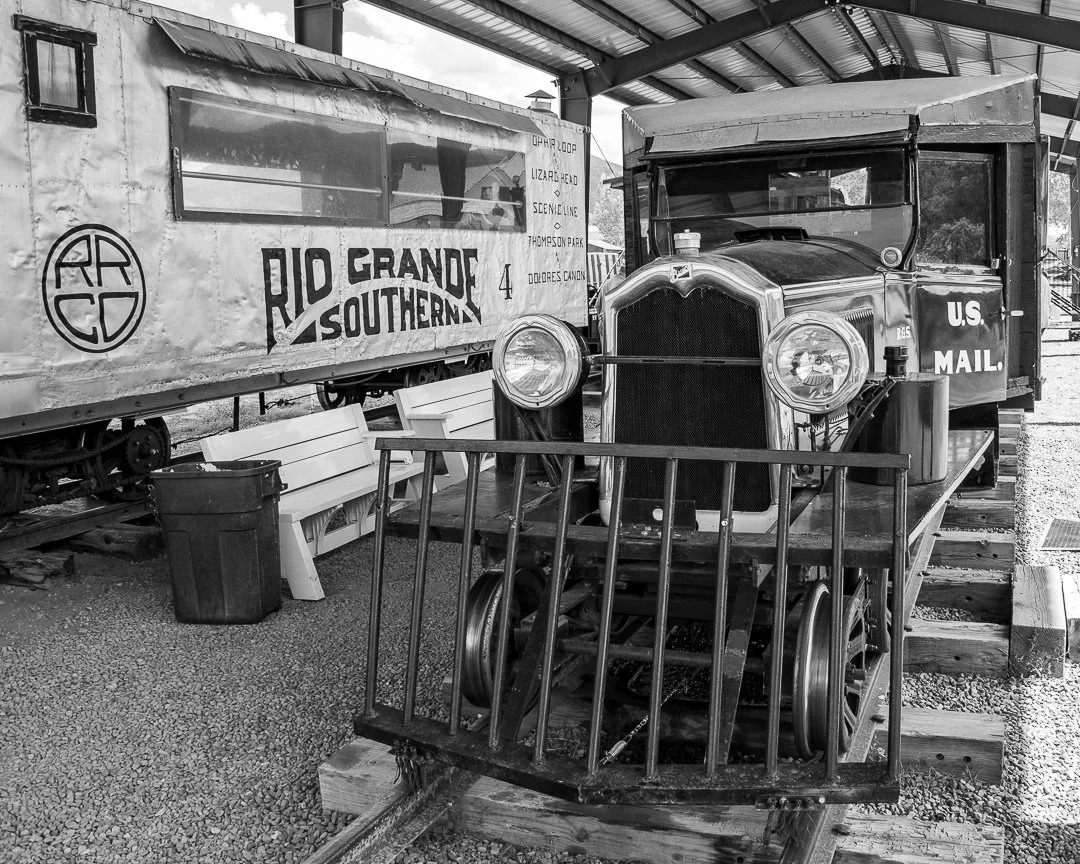
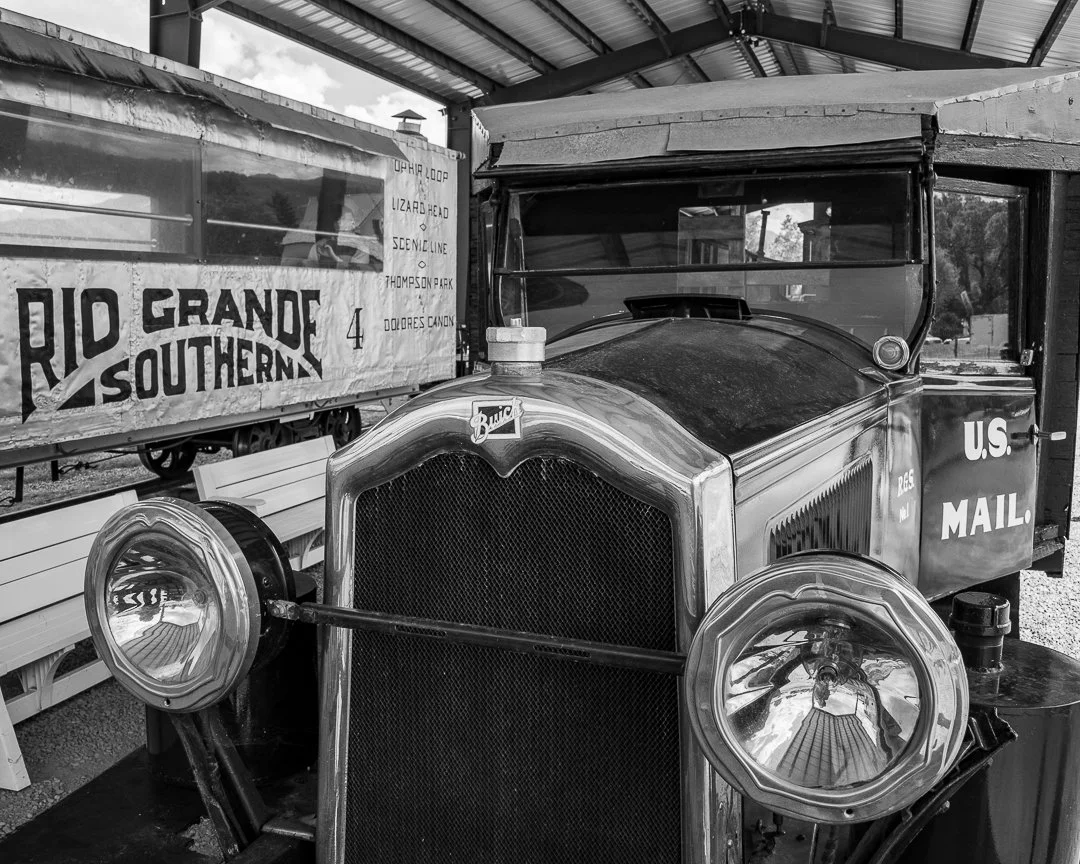
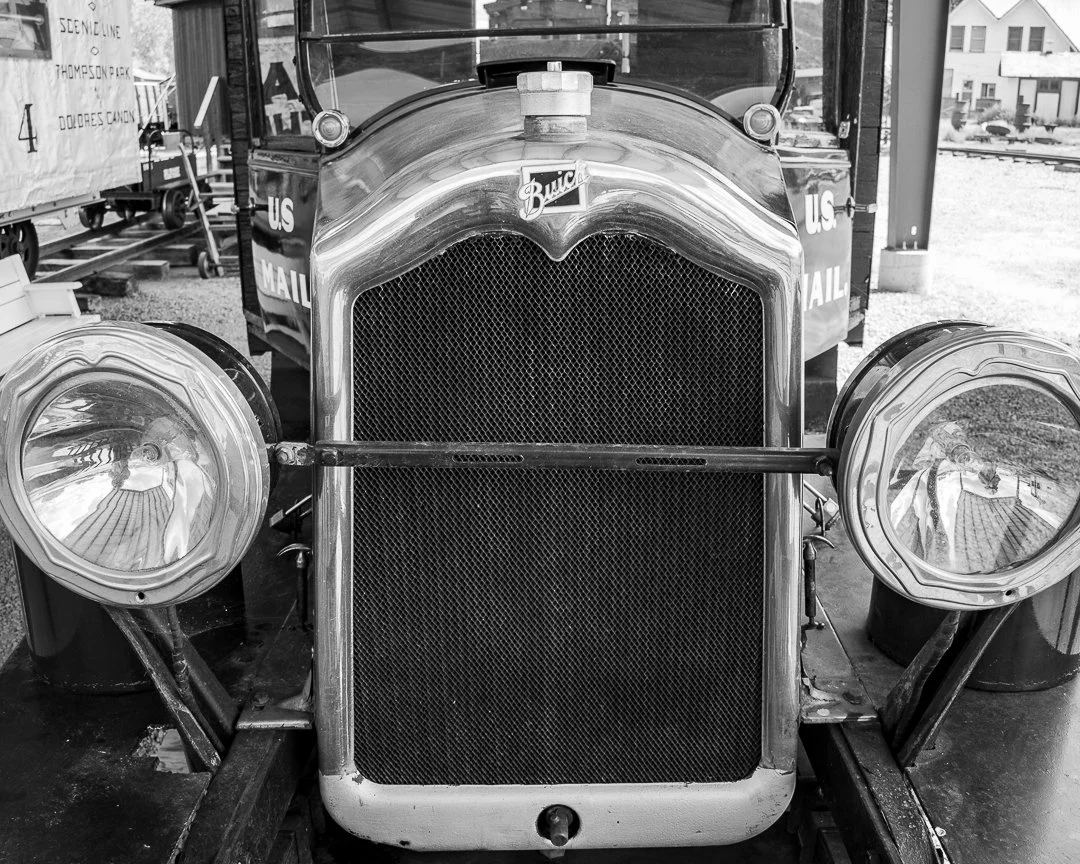
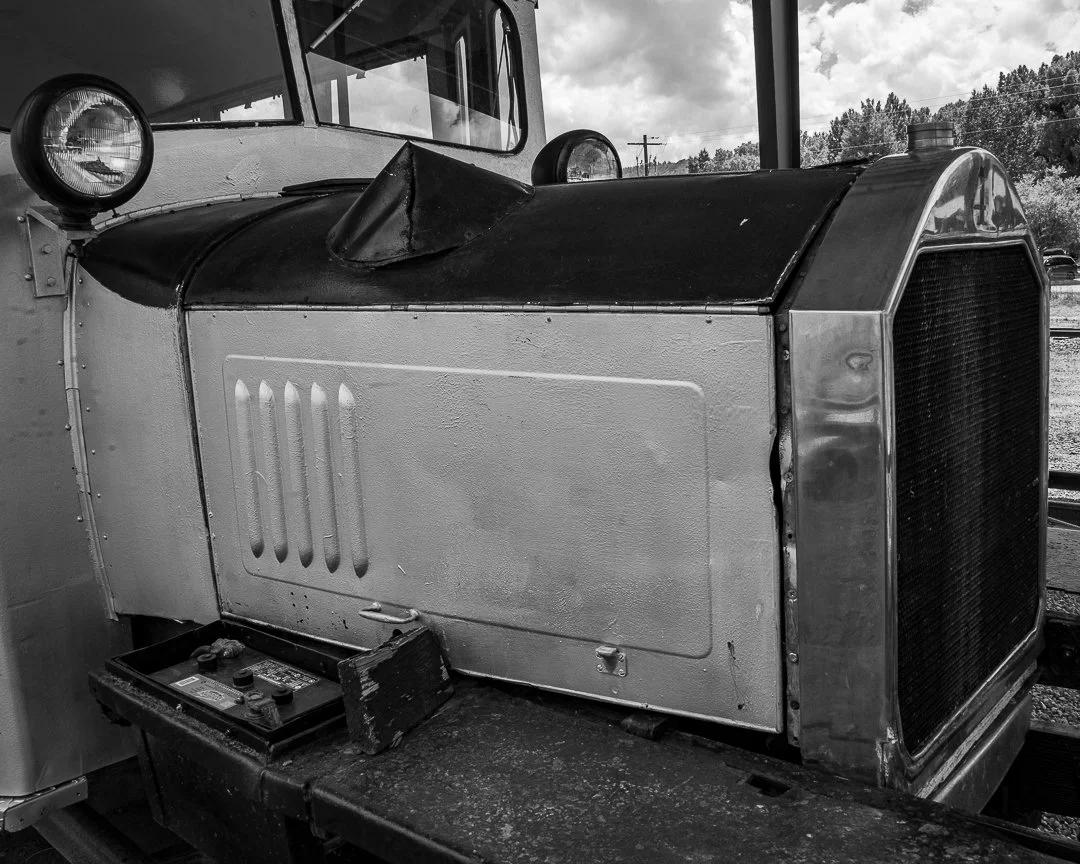
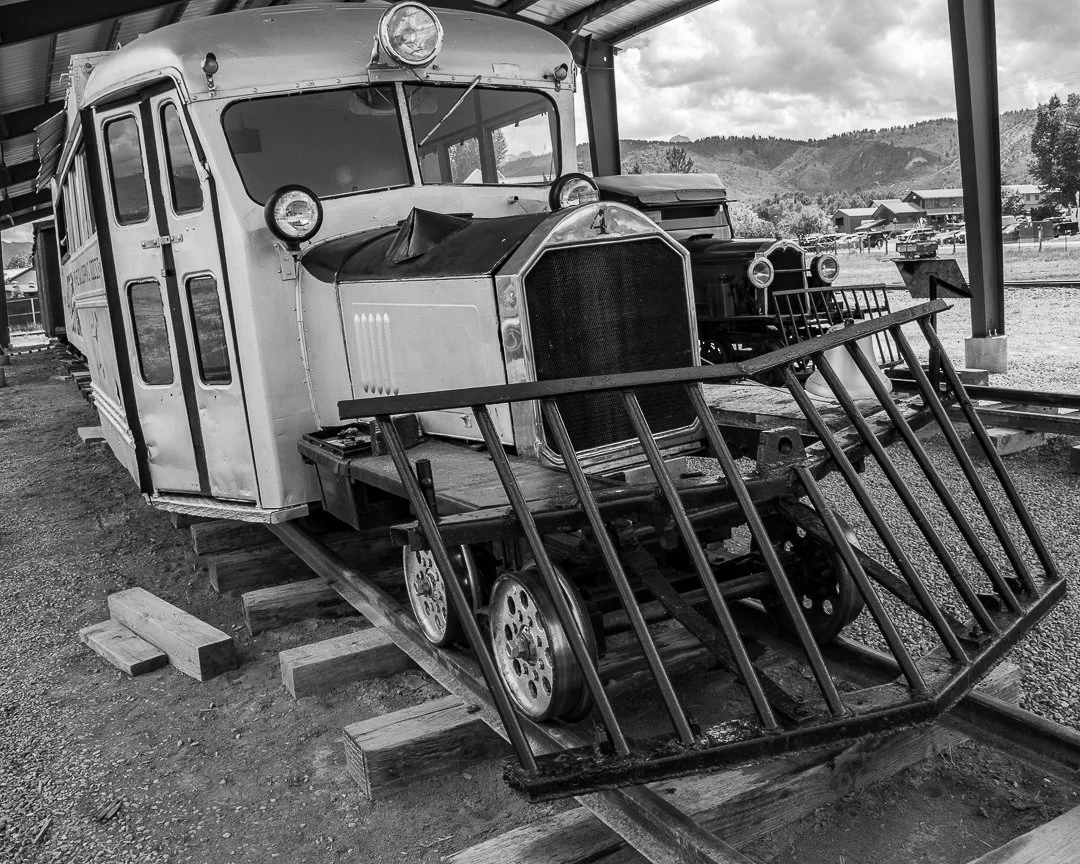
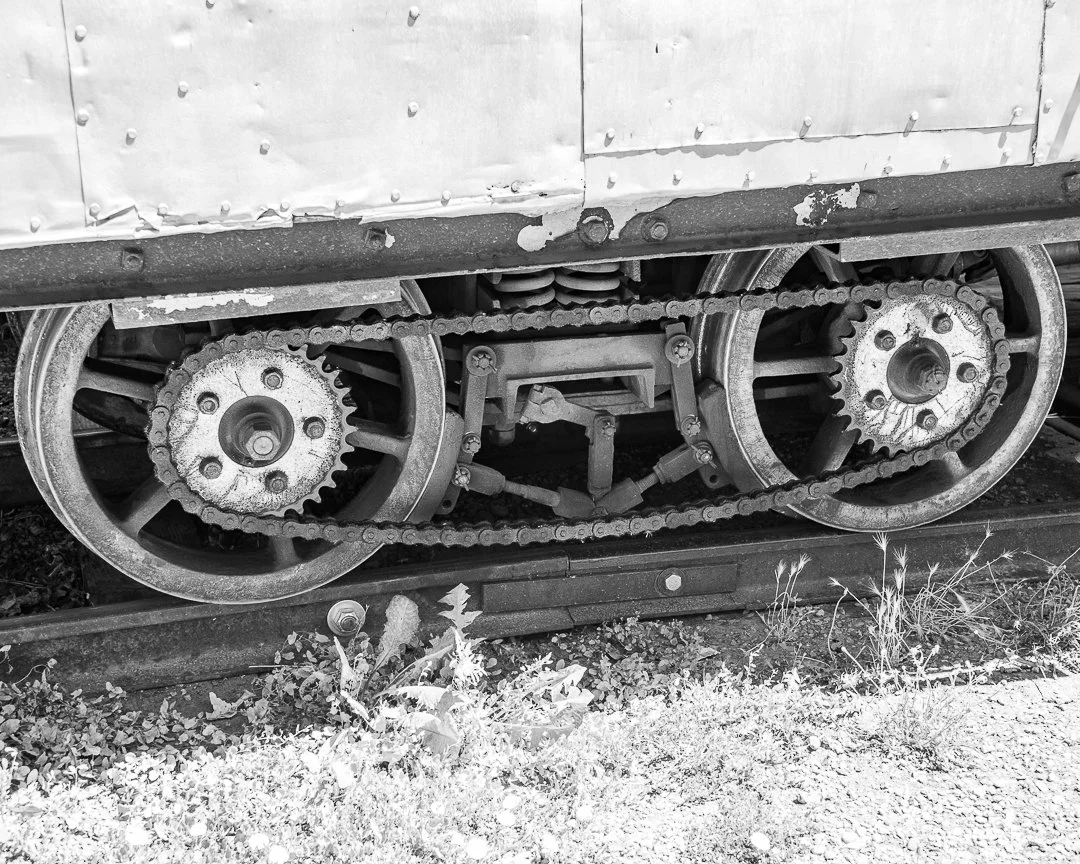
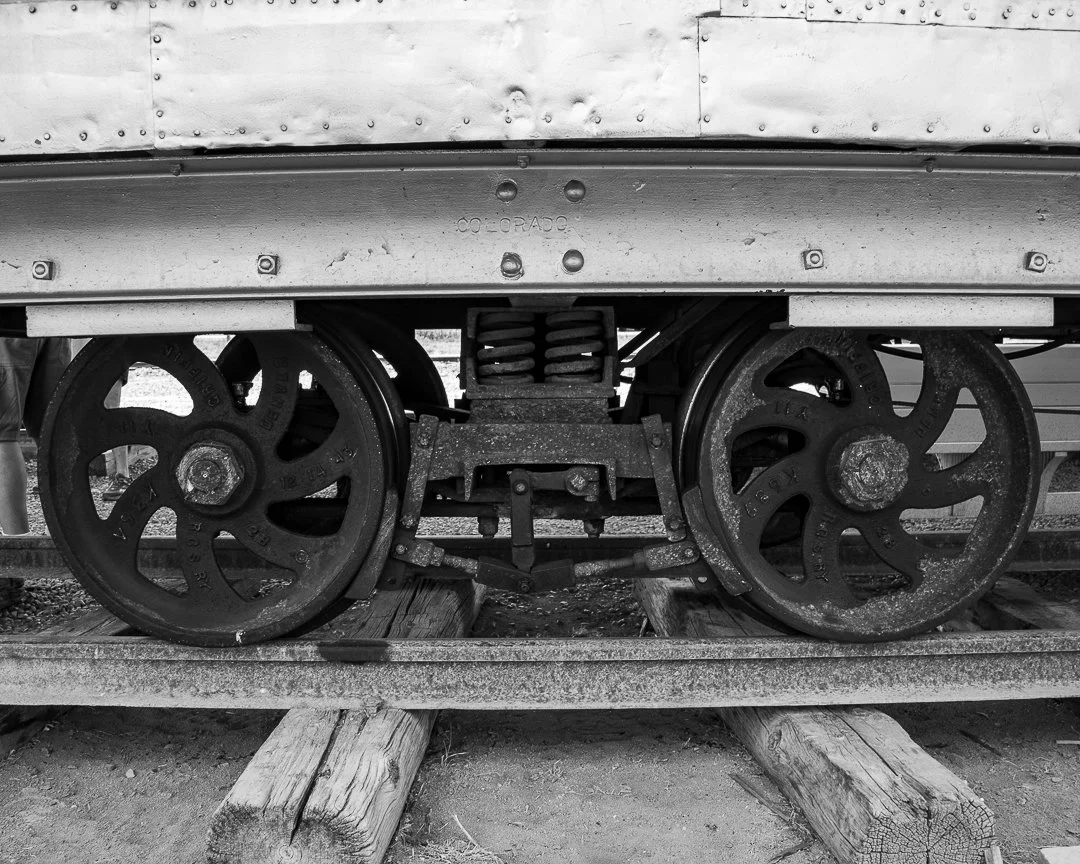
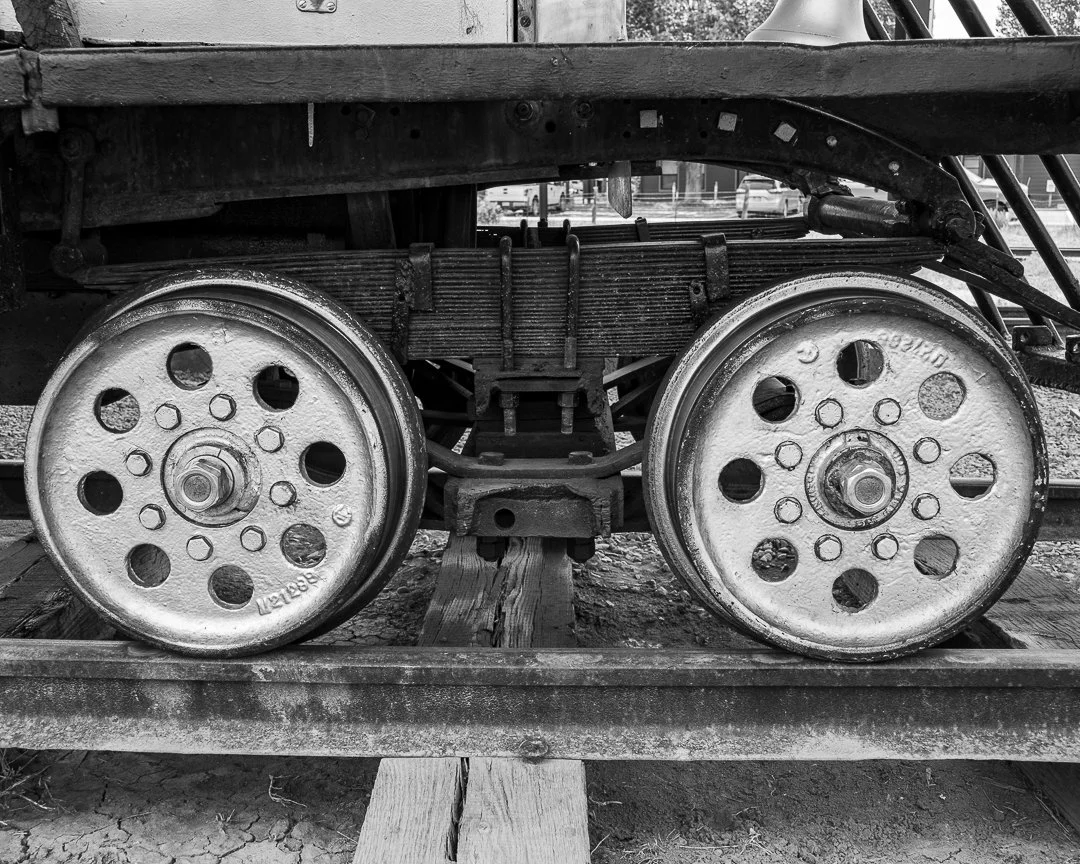
The railroad mechanics in the shops at Ridgway, CO, essentially performed "Frankenstein-like" modifications, mounting full-sized automobile bodies onto narrow-gauge (3-foot-wide) railroad wheels. The first one used a Buick sedan body, but later versions predominantly used elegant Pierce-Arrow limousines for the passenger cab. A custom-built wooden freight/mail compartment was added to the rear. These "motors," as the RGS officially called them, could be operated by just one person and ran on cheap gasoline, saving the railroad immense sums of money. The first "Goose" paid for itself and started turning a profit within just three weeks of service.
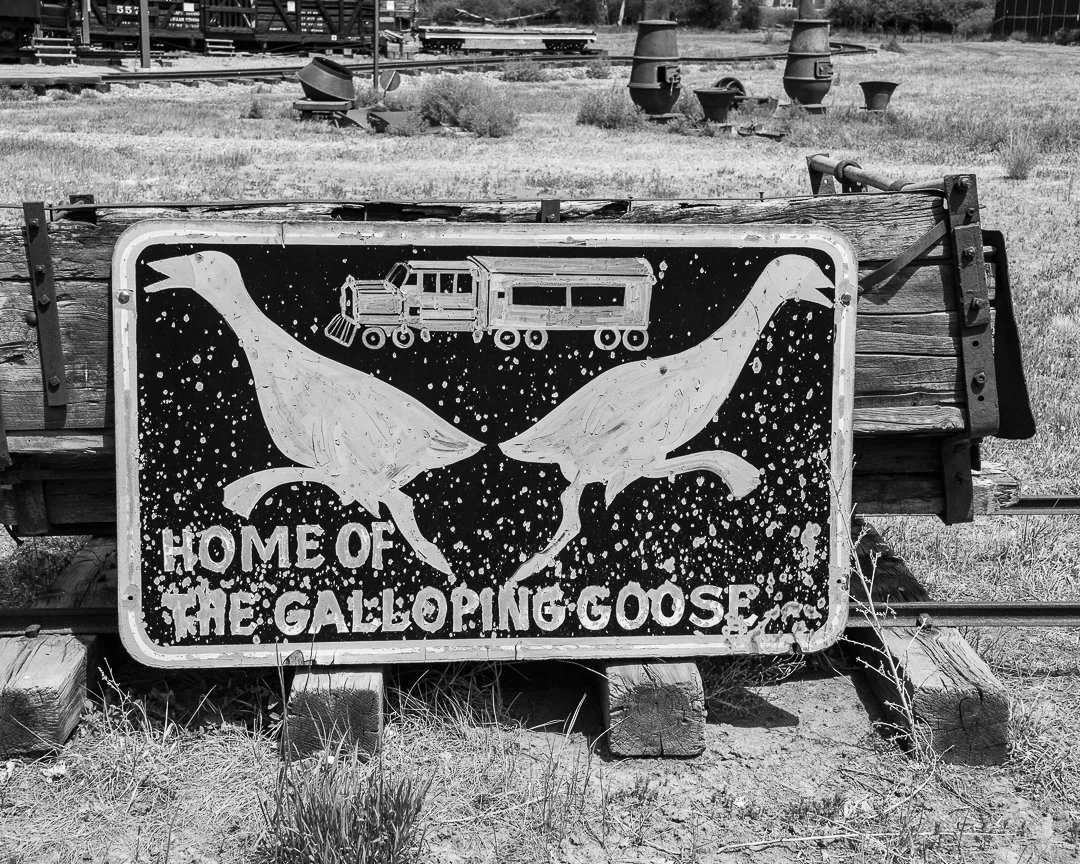
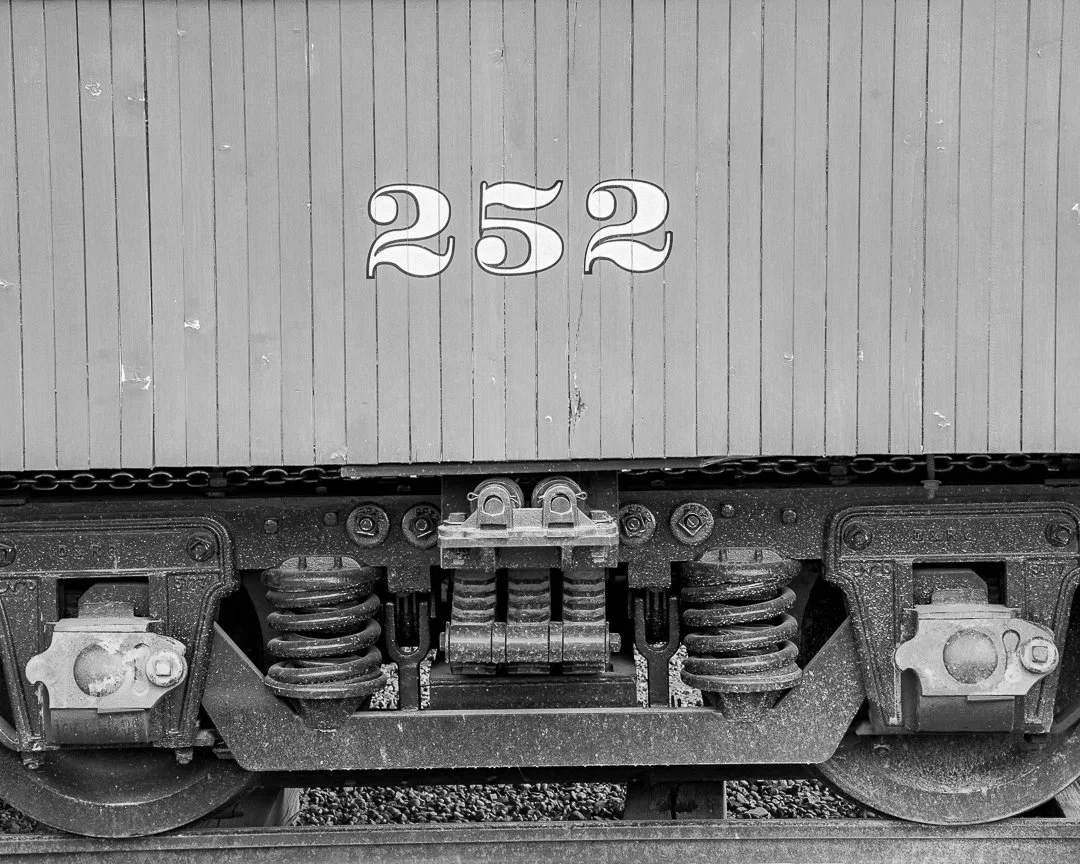
The name "Galloping Goose" originated from locals for two reasons: The converted cars were wider than the standard road width, causing them to waddle down the narrow gauge tracks. Their air horns sounded more like a goose's honk than a traditional steam whistle. Seven "Geese" were built in total between 1931 and 1936 and operated until the RGS line was finally abandoned and the tracks pulled up in 1952. Remarkably, all seven of the original cars (one is a highly accurate replica of the original No. 1, which was scrapped after a derailment) have been preserved and restored to operational condition.